A massive international enforcement alliance spanning 134 countries has dealt a severe blow to organized environmental crime. On Wednesday, Interpol and the World Customs Organization (WCO) unveiled the results of “Operation Thunder 2025,” a coordinated offensive that ran from September 15 to October 15.
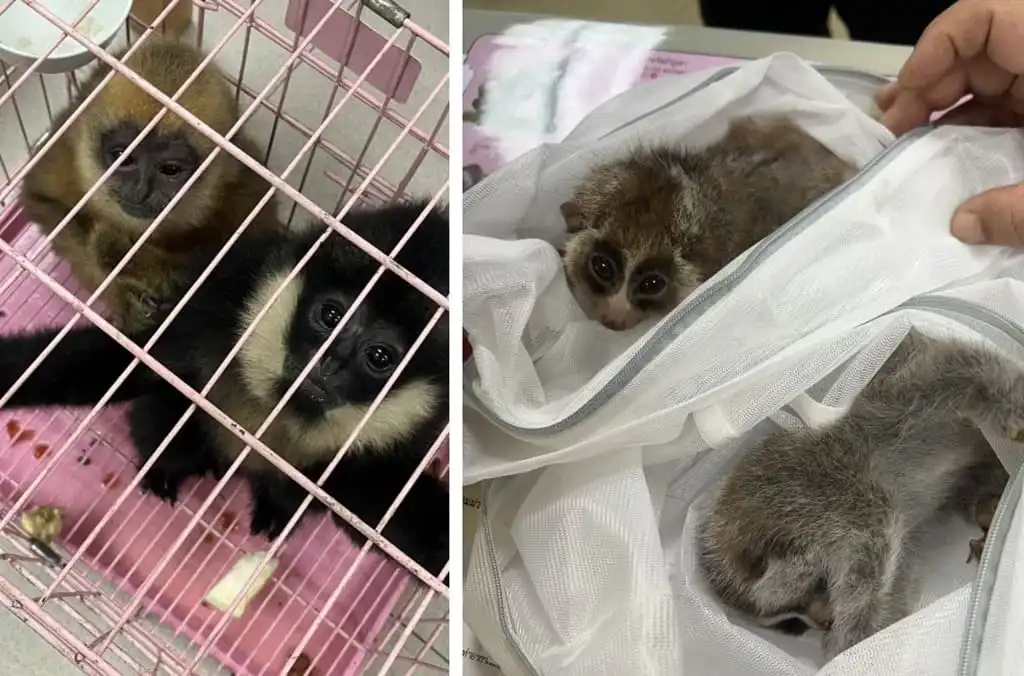
The month-long blitz yielded unprecedented results. Authorities successfully rescued nearly 30,000 live animals and executed 4,640 seizures of illegal goods. Consequently, investigators have identified 1,100 suspects involved in the illicit trade.
Unmasking a Global Criminal Web
This operation highlights a disturbing evolution in the underground economy. According to authorities, the findings confirm that wildlife crime is no longer an isolated issue. Instead, it has morphed into a sophisticated, transcontinental ecosystem connecting Asia, Europe, the Americas, and Africa.
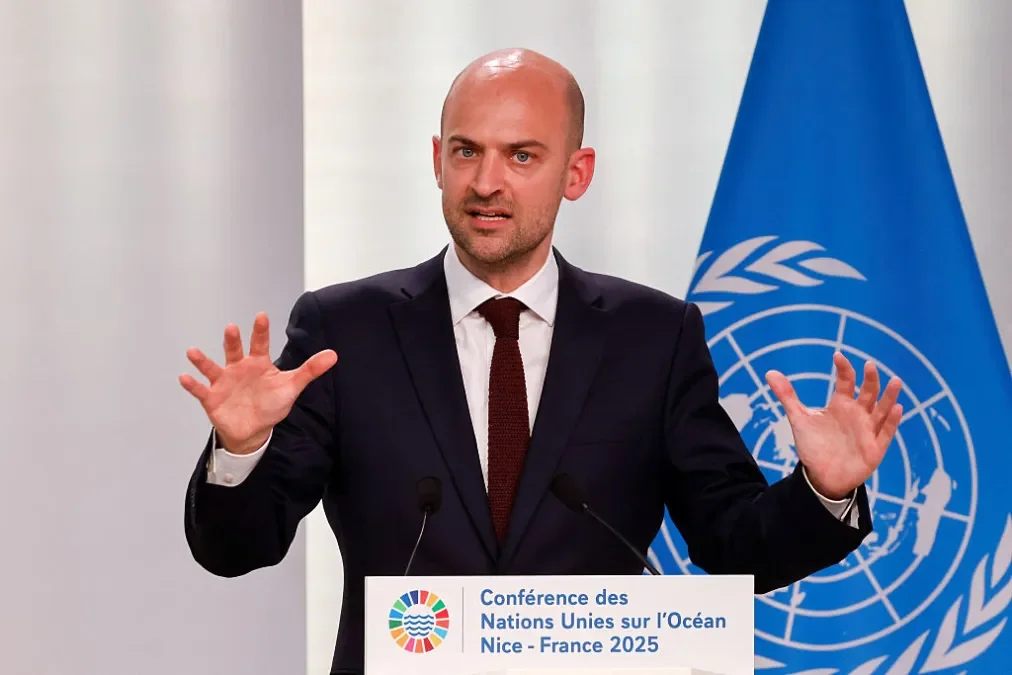
Interpol Chief Valdecy Urquiza emphasized a critical overlap in criminal activity. He noted that these environmental offenses are increasingly intertwined with other high-stakes felonies, including drug trafficking and human exploitation.
Intelligence gathered during this period will be instrumental in mapping these murky supply chains. Agencies plan to use this data to target the hierarchy of these syndicates in future raids.
From Primate Skulls to Shark Fins
The variety of contraband seized exposes the sheer scale of consumer demand for illicit nature products.
One of the most alarming discoveries was a record-breaking haul of bushmeat. Officials intercepted 5.8 tonnes of wild animal flesh, including meat from zebras, antelopes, giraffes, and primates. A significant portion of this contraband was tracked moving from African nations into European territories.
Simultaneously, marine life remains under heavy siege. Agents confiscated over 245 tonnes of protected marine species. This massive volume included thousands of shark fins, largely intended for Asian markets.
Biosecurity and Insect Smuggling
While megafauna often grabs headlines, Operation Thunder 2025 also exposed a surge in the trafficking of smaller creatures.
Law enforcement officers recovered approximately 10,500 arthropods, a category that includes spiders and butterflies. Interpol officials stressed that removing these species does more than just damage local biodiversity. It creates severe biosecurity hazards by potentially introducing invasive pests to new environments.
Regional Enforcement Victories
Specific nations reported major tactical wins during the crackdown:
-
South Africa: Police arrested 24 individuals, seizing live pangolins and 17,000 abalone (sea snails).
-
North America: Border agents intercepted a mail shipment containing 1,300 primate body parts, including skulls.
-
Brazil: A trafficking ring was dismantled, saving over 200 animals, including the endangered golden lion tamarin.
-
Indonesia: Authorities confiscated more than 10,000 specimens, largely comprised of insects and birds.
This collective effort marks a pivotal step in disrupting the logistics of global wildlife crime, setting a new standard for international cooperation.
__________________________________________________________________________________________________________________________