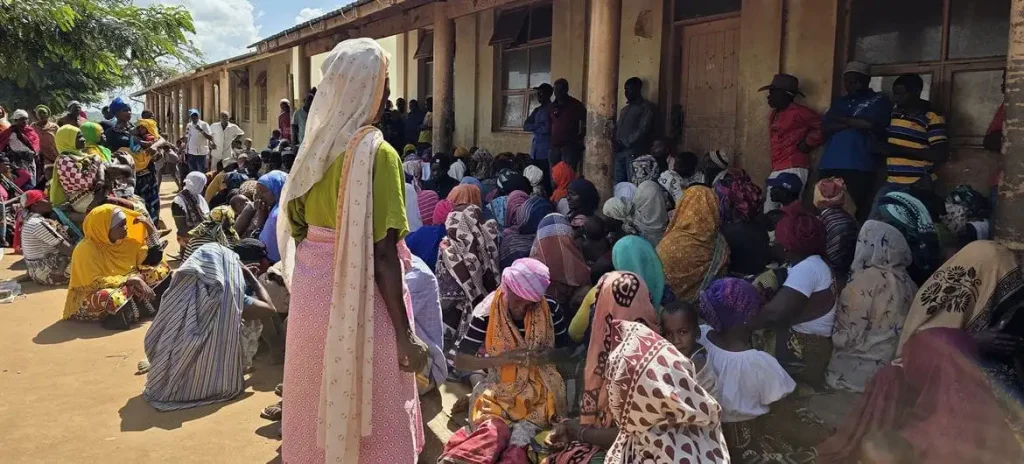
The past two weeks have witnessed a sharp escalation in violent attacks by insurgent groups in Mozambique, forcing more than 100,000 people to flee their homes. The number of internally displaced people (IDPs) has risen dramatically in recent days, with at least 107,000 individuals seeking safety from violence, primarily in the country’s northern regions.
According to UNICEF, the most significant population movements have occurred in the Nampula province, specifically within the Erati and Memba districts. The UN agency reports that children account for approximately two-thirds of the newly displaced refugees.
Changing Conflict Patterns
Insurgent activity, particularly in northern Mozambique, has intensified throughout the year. Experts have observed a shift in the nature of the violence, noting that attacks are no longer short and sporadic but have reached an unusual level of continuity, often persisting in specific areas for weeks at a time.
In a concerning development, UNICEF reported that attacks have resurfaced in Cabo Delgado’s Palma District for the first time in four years.
Humanitarian Crisis Deepens
The growing population of internally displaced persons is facing a severe shortage of essential humanitarian aid. Supplies of food and health kits are rapidly depleting, and current assistance programs are struggling to meet the needs of the refugees due to limited funding.
Since the conflict with non-state armed groups began in 2017, more than 1.3 million people in Mozambique have been displaced in total.
READ ALSO: Nvidia Claims 10x Performance Leap in Battle for AI Inference Market