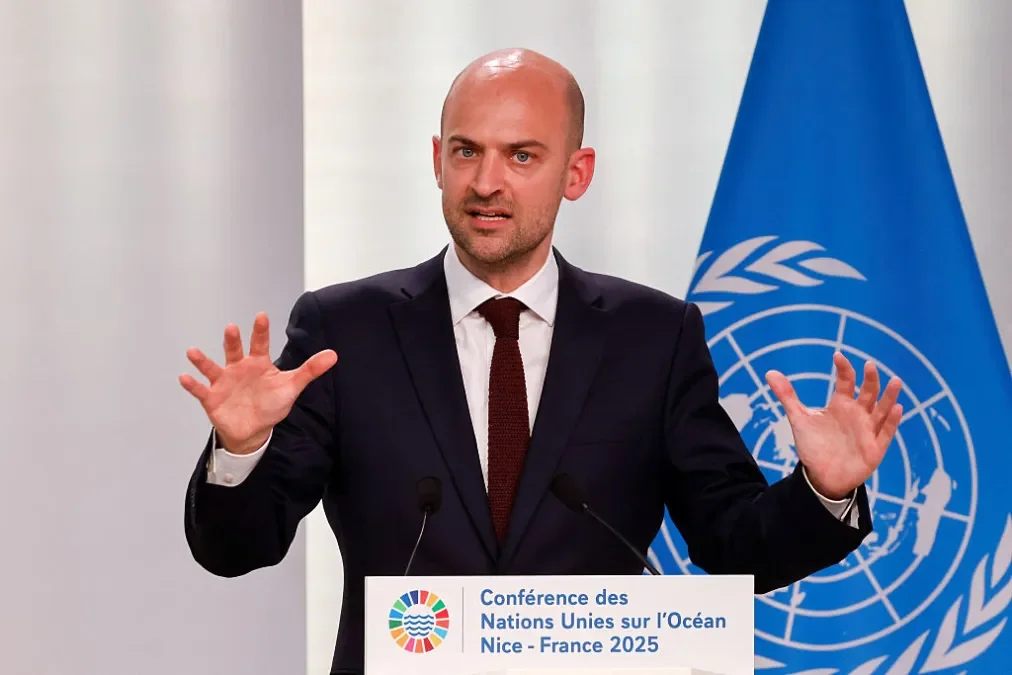
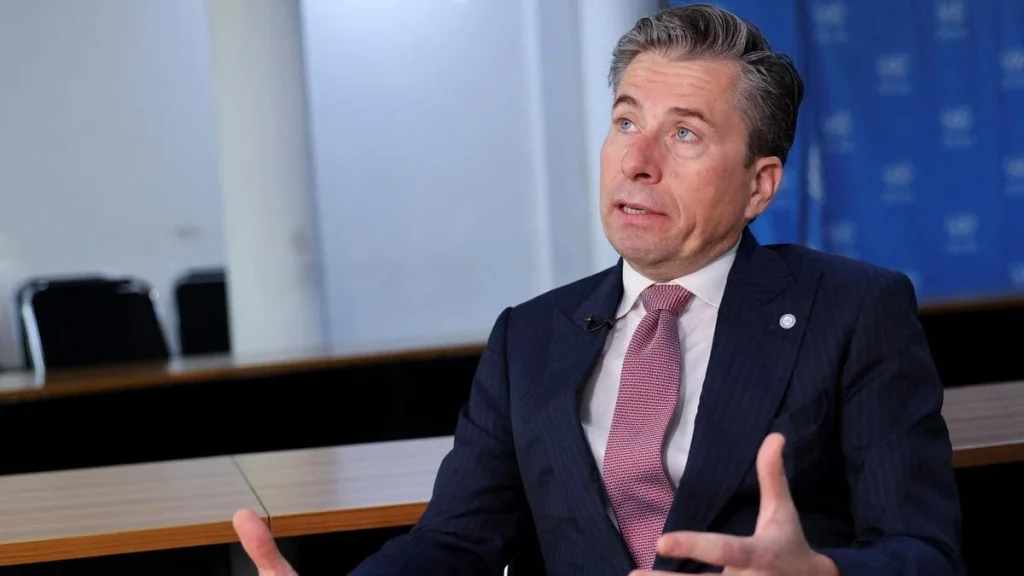
Tom Fletcher, the United Nations humanitarian chief, issued a dire warning on Monday. Speaking at UN headquarters in New York, Fletcher declared the global aid system “overstretched, underfunded, and under attack.”
To address these escalating crises, he unveiled an urgent financial appeal. The UN is asking for $23 billion to sustain operations throughout 2026.
A “Heartbreaking” Reality
Fletcher launched the 2026 Global Humanitarian Overview with a somber message. He described the report as “heartbreaking,” noting there is “pain on every page.” Currently, a quarter of a billion people worldwide require urgent assistance.
However, funding has dropped to its lowest point in a decade. Last year, the UN raised only $12 billion. Fletcher outlined the devastating impact of 2025.
It was a year defined by surging hunger and collapsing health systems. Specifically, he pointed to famine conditions in parts of Gaza and Sudan. Additionally, disease outbreaks rose while programs for women and girls faced significant cuts.
Aid Workers in the Crossfire
Delivering life-saving assistance has become historically dangerous. Fletcher revealed that over 380 aid workers were killed last year. This is the highest number on record. Consequently, hundreds of aid groups were forced to shut down due to a lack of security or resources.
Fletcher illustrated these impossible conditions vividly.
“We drive the ambulance towards the fire on your behalf,” he said. “But we are also now being asked to put the fire out. And there is not enough water in the tank. And we’re being shot at.”
The 2026 Response Strategy
For the coming year, the UN aims to save 87 million lives. The strategy involves 29 targeted response plans across 50 countries. Fletcher acknowledged that many more people need help. However, the current plan relies on “excruciating life and death choices” to focus resources where they are most critical.
Key funding targets include:
- $4.8 billion for Sudan: Split between domestic aid ($2.8 billion) and refugee support ($2 billion).
- $4 billion for Palestinian territories: Supporting three million people in occupied areas.
- $1.4 billion for Myanmar: Reaching 4.9 million people affected by the conflict.
Military Spending vs. Humanitarian Needs
To provide context, Fletcher compared the $23 billion request to global defense spending. He noted that the world spent $2.7 trillion on the military last year. The UN’s humanitarian appeal represents just over one percent of that figure.
He added that the top 10 percent of global earners could fund the entire sum by contributing just $0.20 a day.
Despite the grim outlook, aid agencies reached 98 million people last year. Fletcher concluded by defending the organization’s relevance.
“Is the UN dead? Tell that to the relatives and the friends of the hundreds of our colleagues who died saving lives this year,” Fletcher stated. “Tell that to the 87 million lives that we will set out to save next year.”