

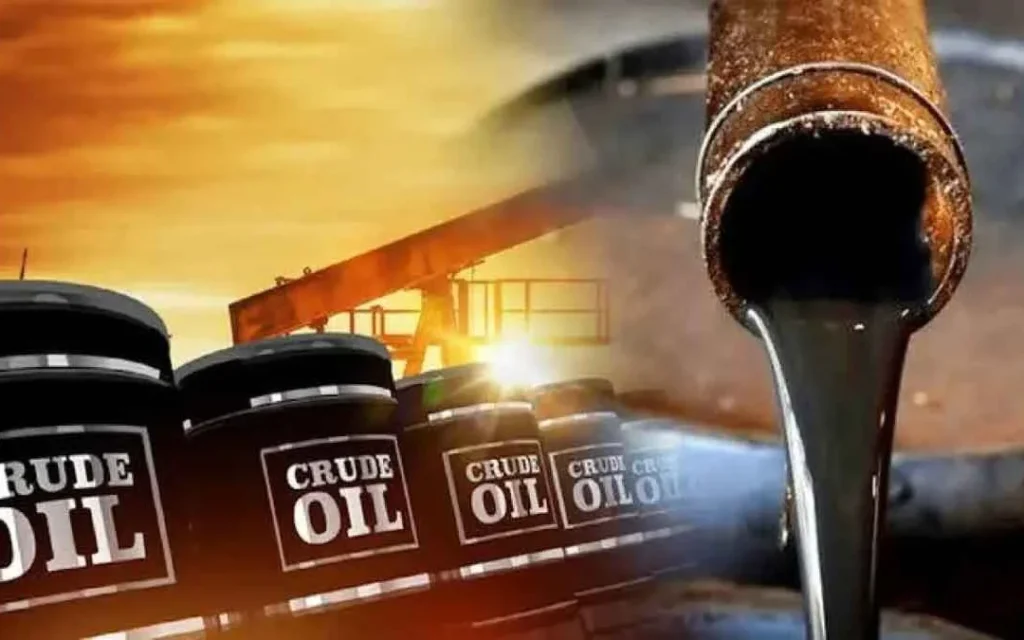
A new financial reality is emerging from the chaos of the Middle East. New economic analysis reveals that Russia is reaping a massive financial windfall from the escalating conflict involving Iran. In March 2026, the Kremlin’s earnings from fossil fuel exports have soared to nearly $588 million daily.
This represents a staggering 17 percent increase in revenue since February. This surge is directly linked to the disruption of traditional oil supply routes in the Persian Gulf. Consequently, global energy prices have spiked, inadvertently filling Moscow’s war chest.
Filling the Void: How Russia Capitalizes on High Prices
The primary driver of this profit surge is the instability surrounding the Strait of Hormuz. This area is a critical chokepoint for the world’s oil supply. As Iranian forces and their adversaries engage in hostilities, the flow of crude from the Gulf has become increasingly precarious. Therefore, global markets have turned to alternative sources to avoid shortages.
“Russia has stepped in to supply oil and gas to global markets at increasing prices,” noted Isaac Levi, a senior analyst at the Centre for Research on Energy and Clean Air (CREA). Levi emphasized that the current market dynamics have created a “perfect storm” for Russian exports. “The longer the crisis goes on, the more it benefits Russia providing vital funds for drones, advanced weaponry, and military recruitment.”
Market Shift: Who is Buying Russian Energy?
The map of Russian energy exports has undergone a radical transformation. While Western sanctions initially sought to cripple Moscow’s energy sector, the Kremlin successfully pivoted its logistics to the East and South.
Currently, three nations account for the vast majority of Russia’s sea-borne crude:
- China: Remains the largest single buyer, integrating Russian oil into its strategic reserves.
- Turkey: Has significantly increased its intake, acting as a regional energy hub.
- India: Continues to purchase large volumes of discounted Russian Urals for domestic use and re-export.
Together, these three nations now purchase 90 percent of Russia’s crude oil. However, the pivot is not total. Despite the rhetoric of “energy independence,” many European nations remain deeply reliant on Russian gas. These shipments continue to flow through remaining pipelines and increasingly frequent Liquefied Natural Gas (LNG) shipments.
The Strait of Hormuz Crisis: Brent Crude Hits $100
The immediate catalyst for the price hike was a series of Iranian strikes targeting tankers near the Strait of Hormuz. These attacks have turned one of the world’s busiest shipping lanes into a combat zone. In response, insurance premiums for tankers have skyrocketed. Simultaneously, Brent crude—the global benchmark—has spiked well above the $100-per-barrel mark.
For Russia, every dollar increase in the price of oil translates into millions in additional daily revenue. This “conflict premium” allows the Russian energy sector to offset the increased costs of operating through “shadow fleets.” These complex ship-to-ship transfers are designed to bypass international price caps.
The True Cost of Conflict: Humanitarian and Economic Toll
While the energy markets react to the shifting tides of war, the human toll is reaching catastrophic levels. The Pentagon has reported that the first week of active conflict has already cost the United States $11.3 billion in military operations and aid.
The humanitarian crisis is even more severe. The escalating strikes have triggered a massive wave of displacement:
- 3.2 million Iranians have been forced to flee their homes as combat intensifies.
- 800,000 Lebanese civilians are now displaced, caught in the crossfire of regional proxy escalations.
These figures represent a regional destabilization that could take decades to resolve. Yet, the very violence driving this displacement is the mechanism fueling Russia’s economic resilience.
The Strategic Deadlock
The situation presents a profound dilemma for global policymakers. To stabilize energy prices, the conflict in the Middle East must be contained. However, as long as the Strait of Hormuz remains contested, high oil prices provide Russia with the liquidity necessary to sustain its own military operations elsewhere.
Economic Summary Table: March 2026
| Metric | Current Status | Trend |
| Daily Russian Revenue | $588 Million | Up 17% |
| Brent Crude Price | Over $100/barrel | Increasing |
| U.S. War Spending | $11.3 Billion | Accruing |
| Total Displaced | 4 Million people | Increasing |
Conclusion: A Feedback Loop of Fragility
The current energy landscape is characterized by a dangerous feedback loop. Geopolitical instability in the Middle East drives up oil prices. This, in turn, strengthens the economic position of Russia. Moscow then reinvests this wealth into military hardware, prolonging conflicts that keep global markets on edge.
As the international community grapples with the fallout, the focus remains on the Strait of Hormuz. Until freedom of navigation is restored, Russia will continue to enjoy a “war dividend” that complicates the pursuit of global peace.
As Russia’s “war dividend” grows, the international community faces a choice between energy stability and geopolitical pressure. Should Western nations prioritize lowering oil prices or tightening sanctions? [Join the Discussion in the Comments]


2026 World Cup: Trump Warns Iran Team Over Security Risks