


African nations are currently facing a staggering financial burden due to environmental crises. Recent data indicates that the continent loses nearly $200 billion annually to climate-related destruction. These losses manifest in shattered infrastructure, submerged roadways, and a sharp decline in agricultural output.
As these environmental shocks grow more frequent and severe, the international community is looking toward the Loss and Damage Fund for a solution. Established at COP27, the fund aims to provide essential financial relief to the world’s most vulnerable regions.
The Road to Recovery: Operationalizing the Loss and Damage Fund
The primary objective of the Loss and Damage Fund is to help developing nations recover from climate impacts that their domestic economies simply cannot absorb. Ibrahima Cheikh Diong, the Executive Director of the Fund for Responding to Loss and Damage, recently noted that while the institution is being built out, critical hurdles remain regarding consistent financing and practical implementation.
The Barbados Implementation Modalities
A significant milestone in making the fund functional is the adoption of the Barbados Implementation Modalities. This framework serves as the blueprint for:
- Accessing Support: How affected nations can apply for and receive aid.
- Financing Mechanisms: The specific ways funds will be distributed to ensure they reach the ground quickly.
For African countries many of which are already burdened by high debt and slow development the success of this fund is a matter of economic survival.
Geopolitical Tensions and the Ripple Effect on African Markets
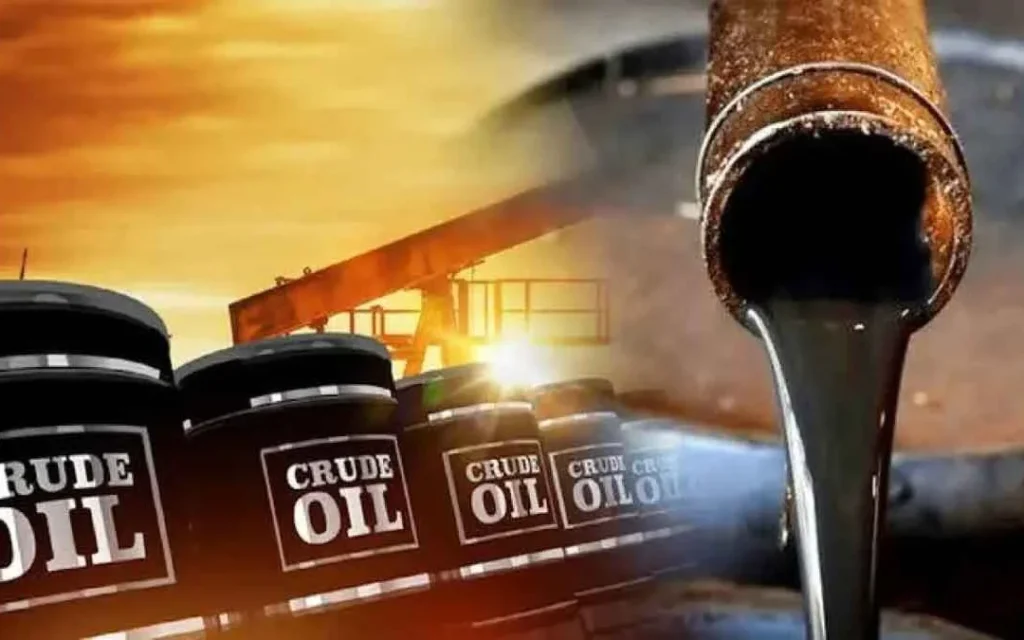
While domestic climate issues are pressing, African economies are also at the mercy of global geopolitical shifts. Current tensions surrounding the Strait of Hormuz have created a volatile environment for global crude prices. As a critical transit corridor for the world’s oil, any disruption there sends shockwaves across the globe.
The Impact on Import-Dependent Nations
For countries like Ghana and Zambia, which rely heavily on imported fuel, the rise in global oil prices has a direct and painful impact:
- Transport Costs: Higher fuel prices immediately lead to increased fares for commuters and logistics.
- Food Inflation: As the cost of moving goods rises, the price of everyday food items in local markets follows suit.
- Supply Chain Strain: Increased logistics costs ripple through the entire economy, affecting everything from manufacturing to retail.
Namibia’s 2026 Shift: Formalizing the Informal Sector
On the domestic front, Namibia is preparing for a landmark policy shift starting in 2026. The nation’s informal sector is currently a cornerstone of its economy, employing over half of the national workforce. However, these workers currently operate without social protections or inclusion in the formal tax system.
The Goal of Formalization
The Namibian government intends to transition these workers into the formal economy to achieve two main goals:
- Revenue Growth: Expanding the tax base to fund national development.
- Social Safety Nets: Providing workers with better access to financial services, pensions, and healthcare.
Potential Challenges
The transition is expected to be complex. Small-scale traders and local entrepreneurs have expressed concerns that “going formal” will introduce burdensome regulations and high compliance costs. Policymakers must ensure that the move into the formal sector supports livelihoods rather than stifling them with red tape.
Conclusion: Balancing Growth and Resilience
Africa is currently navigating a “triple threat” of climate destruction, global market volatility, and the need for structural internal reforms. Whether it is through international climate funds or local economic shifts, the focus for African leaders remains the same: balancing immediate economic growth with long-term resilience and social protection for their people.
READ ALSO: Fueling Frustration: Nigeria’s Breaking Point as Petrol Prices Shatter Records

2026 World Cup: Trump Warns Iran Team Over Security Risks