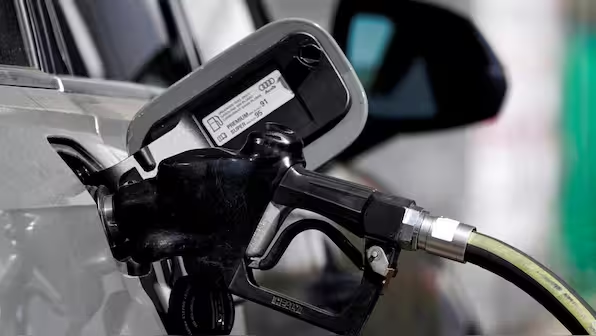
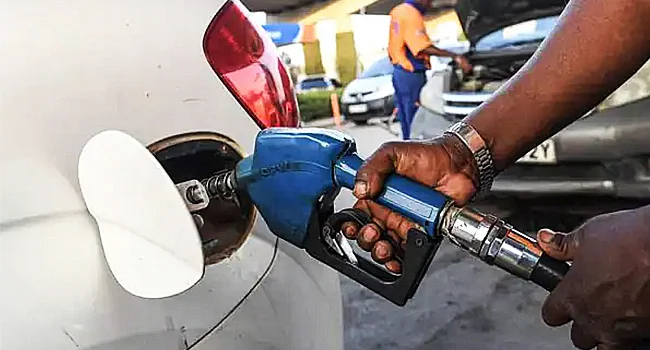
The rhythmic hum of Nigeria’s urban centers has been replaced by a collective gasp of disbelief. Overnight, the “Giant of Africa” woke up to a reality many feared but few were prepared for. A sudden, aggressive spike in fuel prices has pushed the cost of petrol to unprecedented record highs.
As the sun rose over the motorways of Lagos and the streets of Abuja on Wednesday, March 11, 2026, commuters met a grim surprise. Recalculated fare boards felt more like a ransom than a transport fee. For a nation already navigating currency devaluation and stagnant wages, this blow is a systemic shock. It threatens to paralyze the daily lives of over 200 million people.
The Immediate Fallout: A Transportation Crisis
The impact of the hike was instantaneous. In some metropolitan corridors, transportation fares have undergone “ridiculous” adjustments. Some routes have nearly doubled in price. A trip that cost ₦500 on Monday now demands ₦1,000. This leaves workers stranded at bus stops, staring at their wallets in silent calculation.
This sentiment is echoed across the federation. In the South-West, commercial drivers have grounded vehicles in protest. They argue they cannot break even with the new pump prices. In the North, the cost of moving cattle and produce has spiked sharply. Wholesalers now warn of an immediate shortage of perishable goods in Southern markets.
The Looming “Everything” Surge
Economists warn that the fuel hike is merely the first domino in a fiscal collapse. In Nigeria, fuel is the lifeblood of the informal economy. Small and medium-sized enterprises (SMEs) are the backbone of the national GDP. However, they rely heavily on petrol generators because the national power grid remains fragile.
The Multiplier Effect
- Agricultural Inflation: Farmers face higher costs to transport produce from the North to Southern markets.
- Retail Squeeze: Small business owners, from barbers to cold-room operators, are bracing for a surge in overhead costs.
- The Inflation Spiral: Headline inflation is already at staggering levels. Analysts predict a fresh surge that could push basic food items out of reach for the most vulnerable.
The timing of this hike is particularly cruel. Following recent strikes in the Middle East, global crude prices have risen. The landing cost of refined petrol has surged accordingly. Nigeria remains a heavy importer of refined petroleum products. Even with the output from the Dangote Refinery, the domestic market remains a prisoner to international fluctuations.
A Nation Pushed to the Edge
A specific kind of weariness settles over a country when the light at the end of the tunnel keeps moving away. For Nigerians, that weariness has turned into a sharp edge of frustration.
For years, the government has spoken of “necessary sacrifice.” Officials told citizens that removing subsidies would lead to a robust economy. But for the average citizen—the mother selling corn or the youth driving a ride-share—market forces feel like a predatory force rather than economic theory.
The Trust Deficit
The fundamental issue is not just the price of petrol. It is the widening chasm of trust between the governed and the governors. Officials tell citizens to tighten their belts until they can no longer breathe. However, there is little evidence of similar austerity within the political class. When the cost of governance remains bloated while the cost of living becomes lethal, the social contract begins to fray.
As energy costs rise, the cost of everything else follows. A small hair salon in Lagos that spent ₦5,000 a day on petrol now spends ₦8,000. To survive, that business must charge customers more. But those customers have less money to spend. This is the definition of an economic “death spiral.”
Is There a Breaking Point?
International observers often praise Nigeria for its “resilience.” This word describes an ability to endure the unendurable. But resilience is not an infinite resource. You cannot build a stable nation on the constant suffering of its people.
To prevent a total social breakdown, the government must move beyond rhetoric. Nigeria needs immediate, tangible palliatives. These should include:
- Massive Investment in Mass Transit: Accelerating the rollout of CNG-powered buses to reduce reliance on expensive petrol.
- A Functional National Grid: Fixing the power sector to end the reliance on small petrol generators.
- Total Transparency: Providing a clear, public account of where subsidy “savings” are being invested.
The Voice of the People
As the country grapples with this fallout, the streets are quiet, but the digital space is screaming. Hashtags calling for an immediate reversal are trending. Beneath the noise is a profound sense of helplessness.
What is most alarming is the lack of a clear timeline for relief. Global oil prices have hit $119 per barrel due to the conflict in the Strait of Hormuz. Consequently, there is no guarantee that this will be the last price hike this month.
What do you think? How is this latest price hike affecting your daily budget? Are you cutting back on essentials like healthcare or school fees? Have you found a way to adapt—perhaps by carpooling —that others should know about?
Share your thoughts and survival strategies in the comments below. Let your voice be heard.