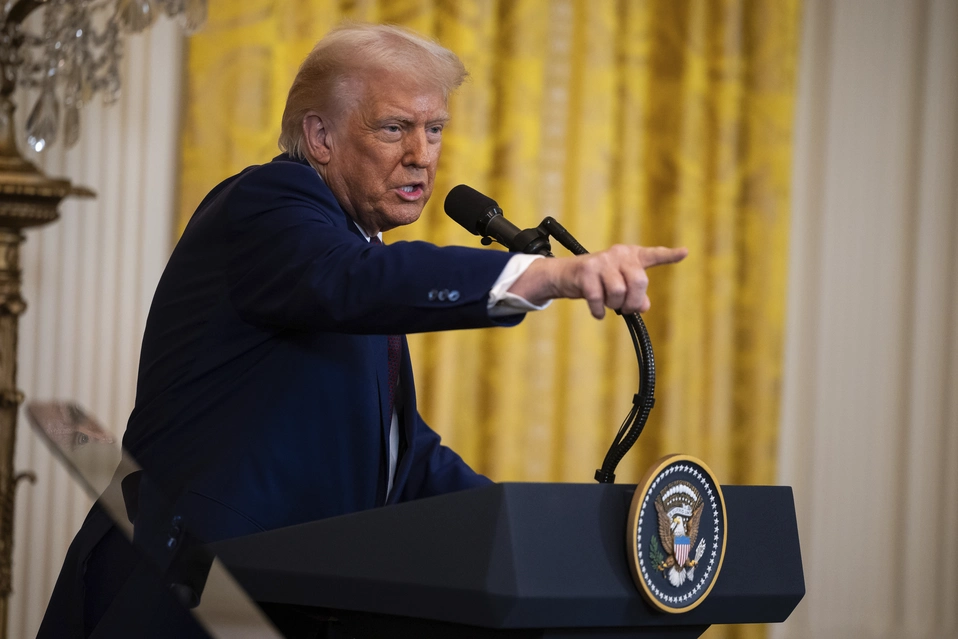
As the conflict between the United States, Israel, and Iran enters its tenth day, President Donald Trump has suggested the campaign may be a “short-term excursion.” Speaking Monday at his golf club near Miami, the President expressed optimism that the war to “get rid of some evil” would be concluded quickly. However, this confidence stands in stark contrast to the defiance currently radiating from Tehran.
While Trump predicts a swift ending, Iranian officials are doubling down. The Islamic Republic recently selected Ayatollah Mojtaba Khamenei as its new Supreme Leader following the death of his father in the war’s opening salvo. This transition signals a hardening of Iran’s military stance rather than a move toward the bargaining table.
Market Whiplash and the $100 Oil Mark
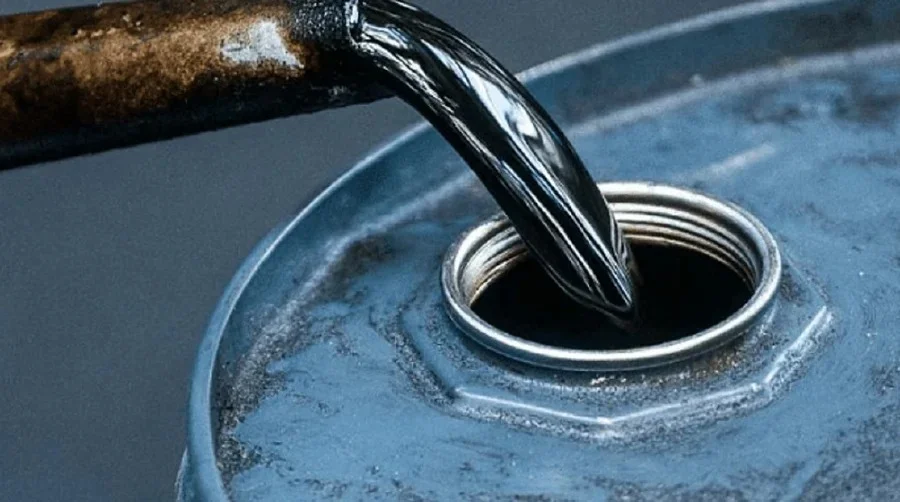
Global markets have become a volatile barometer for the conflict. On Monday, oil prices surged past the $100 per barrel mark—the highest since 2022—as investors reacted to the appointment of the secretive, 56-year-old Mojtaba Khamenei.
Markets eventually stabilized, and U.S. stocks saw a late-day rally after Trump’s reassurances of a quick victory. Despite this temporary relief, the economic reality on the ground remains grim:
- Choked Supplies: Major oil and gas routes are restricted, causing a spike in domestic U.S. fuel prices.
- Stock Market Recovery: Strong openings in Tokyo and Seoul followed Trump’s press conference, with oil prices dipping as much as 5% from their peaks.
- Business Exodus: Foreign nationals are fleeing regional business hubs as the fighting intensifies.
The Red Line: The Strait of Hormuz
President Trump has issued a severe warning regarding global energy security. In a social media post, he threatened that any attempt by Iran to block the Strait of Hormuz would result in a retaliatory strike “twenty times harder” than anything seen so far.
Trump described the potential for an “incalculable” military response, stating that the U.S. would hit Iran so hard that recovery would be impossible. In response, Ali Mohammad Naini, a spokesperson for Iran’s Revolutionary Guard, countered that “Iran will determine when the war ends,” effectively dismissing Washington’s timeline.
A New Leadership in Tehran
Mojtaba Khamenei is only the third Supreme Leader in the history of the Islamic Republic. Unlike his predecessors, he maintains exceptionally close ties with the paramilitary Revolutionary Guard.
Under his nascent rule, the Guard has aggressively deployed drones and missiles against:
- Israel
- U.S.-allied Gulf Arab states
- Regional military infrastructure
Iranian Foreign Minister Abbas Araghchi has flatly ruled out negotiations with the U.S., citing “bitter experiences” with previous diplomatic attempts. He insisted that Tehran is prepared to continue missile strikes “as long as needed,” casting significant doubt on Trump’s “soon” forecast.
The Human and Infrastructure Toll
While the political rhetoric escalates, the physical cost of the ten-day war is mounting. Millions of people have been forced into shelters as aerial bombardments target a wide variety of locations, including:
- Military and government installations
- Essential oil and water facilities
- Civilian infrastructure, including hotels and at least one school
The Diplomatic Shadow Play
Amidst the fighting, President Trump held a telephone conversation with Russian President Vladimir Putin. Following the call, Kremlin advisers indicated that Putin has “voiced a few ideas” regarding a potential diplomatic settlement.
Putin has reportedly been in contact with both Gulf leaders and Iranian President Masoud Pezeshkian to find a political exit. However, with Iran’s Foreign Ministry stating that talks with Americans are no longer on their agenda, a diplomatic breakthrough remains elusive.
READ ALSO: Tunisia Eyes Tourism Boost With $1B Airport Expansion