In a major announcement on Monday, March 9, 2026, the Dangote Refinery pledged to prioritize the Nigerian domestic market. This strategic move aims to prevent nationwide fuel shortages and mitigate the economic shock caused by the escalating war in the Middle East.
However, the refinery’s leadership issued a stern warning: price stability depends heavily on government cooperation. While the mega-refinery is prepared to keep the pumps running, it cannot rule out further price hikes as global oil markets remain volatile.
The Impact of Global Conflict on Local Pumps
The security situation in the Middle East has sent ripples through the global economy. Following recent military strikes between the United States, Israel, and Iran, benchmark crude prices surged above $100 a barrel this Monday.
In Nigeria, the impact was immediate. Fuel prices jumped by approximately 20% in just one week. This spike adds further pressure to a nation already grappling with record-high energy costs.
Dangote Refinery: Nigeria’s Shield Against Shortages
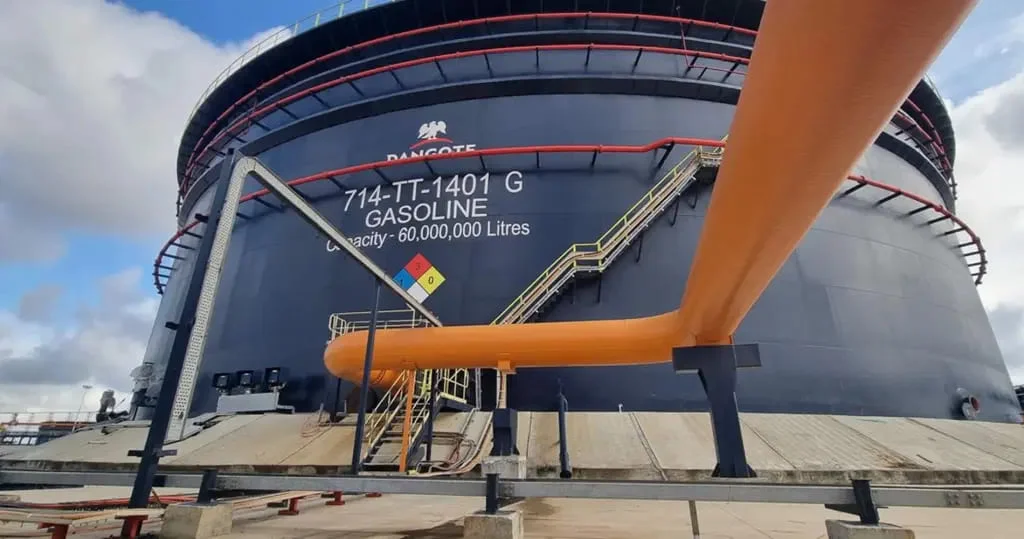
Owned by Aliko Dangote, Africa’s wealthiest individual, the refinery boasts a massive capacity of 650,000 barrels per day. Since it began operations in 2024, it has transformed Nigeria from a fuel importer into a self-sufficient producer.
Before this facility opened, Nigeria—despite being Africa’s leading oil producer had to import nearly all of its refined petrol. This led to frequent, paralyzing fuel queues and “black market” pricing.
The Domestic Priority Pledge
Managing Director David Bird addressed the media in Lagos, stating that “supply security” remains a top priority. However, he included a significant caveat regarding the Nigerian National Petroleum Company (NNPC).
“Provided we continue to get access to Nigerian crude with the support of the government and NNPC—at international benchmark prices—we will continue to prioritize the domestic market,” Bird explained.
Why Prices Continue to Climb
Despite having a local refinery, Nigerians are seeing the highest petrol prices in the country’s history. This week, the price per liter in Lagos rose from 830 naira to 1,050 naira. For context, the price was just 195 naira at the start of 2023.
Factors Driving the 2026 Price Surge:
- Global Commodity Exposure: As a private entity, the Dangote Refinery buys crude at international market rates.
- Increased Overheads: The war has caused a dramatic rise in transport and insurance costs for shipping oil.
- Subsidy Removal: Since President Bola Tinubu took office in 2023, the government abolished the subsidies that previously kept fuel artificially cheap.
The Government’s Role in Energy Costs
David Bird emphasized that the refinery cannot single-handedly subsidize the nation’s energy. He noted that any move to stabilize or lower the cost of fuel must come directly from the federal government.
“That is the role of government if they want to intervene in the economy when it comes to the cost of energy,” Bird stressed. As a private enterprise, Dangote is fully exposed to the same international pressures as any other global refiner.
Conclusion: A Fragile Balance
The Dangote Refinery is currently the only barrier standing between Nigeria and total fuel scarcity. While the commitment to serve the local market is a relief for many, the reality of $100-per-barrel oil means that cheap fuel is unlikely to return anytime soon.
The coming weeks will determine if the Nigerian government and the NNPC can strike a deal to keep crude flowing to the refinery at a rate that keeps the economy moving without breaking the bank of average citizens.
READ ALSO: From Gold to Dust: The Tragic Collapse of West Africa’s Cocoa Industry