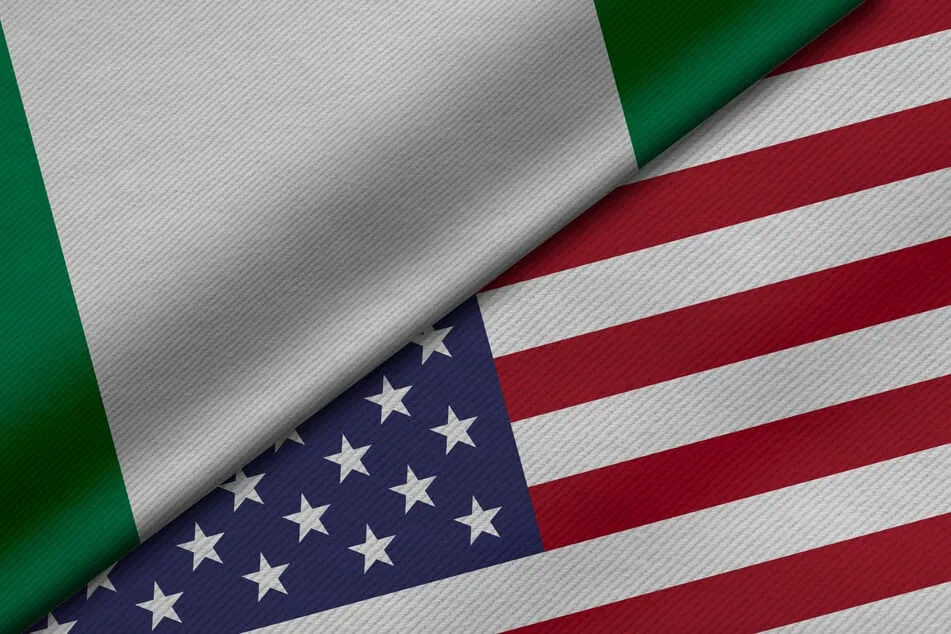
On Monday, March 9, 2026, the United States Embassy in Nigeria released a high-priority security notice. This alert warns of a specific and credible terrorist threat. The notice identifies U.S. government facilities and American-affiliated schools throughout the country as potential targets.
The embassy published this warning on its official website. It urges all American citizens in Nigeria to exercise extreme caution. This development follows a period of intense regional and global volatility. It signals a heightened risk for diplomatic missions and schools associated with the United States.
Essential Safety Protocols for U.S. Citizens
The embassy provided a list of safety measures for those in Abuja and Lagos. The main goal is to reduce predictability and maintain a state of readiness.
Recommended Security Measures:
- Vary Your Routine: Change your travel times and routes frequently. This helps you avoid becoming a predictable target for surveillance.
- Maintain a Low Profile: Stay away from large crowds and public demonstrations. Avoid areas where Westerners typically gather.
- Emergency Readiness: Ensure your mobile devices are always fully charged. Familiarize yourself with emergency exits whenever you enter a building.
- Situational Awareness: Review your personal security plans. You should remain highly vigilant in all public spaces.
Rising Tensions: The Global and Regional Context
The embassy did not name a specific group behind the threat. However, the alert arrives during a time of significant global instability. The security climate in Nigeria is now directly impacted by the ongoing conflict between the United States, Israel, and Iran.
Key Factors Driving the Threat Level:
- Retaliatory Cycles: Following U.S. and Israeli strikes on Tehran, Iran has launched drone and missile attacks against neighbors aligned with the U.S.
- Internal Unrest: Members of the Islamic Movement in Nigeria have held protests in Lagos and northern states. These followed the confirmed deaths of Iran’s Supreme Leader, Ayatollah Ali Khamenei, and his wife, Mansoureh Khojasteh Bagherzadeh.
- Local History: On Christmas Day 2025, President Donald Trump ordered targeted bombings in Nigeria. He cited the need to stop jihadist elements and protect persecuted groups.
Managing Risks in a Volatile Environment
The U.S. government’s view on religious persecution in Nigeria remains a topic of debate. While President Trump has focused on the struggles of the Christian population, local analysts have a different view. They point out that violence has devastated both Christian and Muslim communities across the nation.
This complex internal situation, combined with the “Total War” scenario in the Middle East, creates a dangerous environment. Extremist groups may see this as an opportunity to target U.S. interests. The embassy’s advice to “vary routes” is a vital defense against hostile actors.
Conclusion: Staying Vigilant in Nigeria
This latest warning is a stark reminder of how global conflicts can shift local security. For American citizens in Nigeria, the message is clear: the threat is active. Complacency is currently the greatest risk to personal safety.
As military and diplomatic maneuvers continue between Washington and Tehran, U.S. facilities will likely remain on high alert. Travelers should monitor official channels for the latest updates.
READ ALSO: James Swan Takes the Helm: A New Chapter for the UN MONUSCO Mission in DR Congo