Egypt is teetering on a financial precipice. President Abdel Fattah al-Sisi has declared a “state of near-emergency” regarding the nation’s economy. This Egypt economic crisis has been exacerbated by the widening conflict in the Middle East.
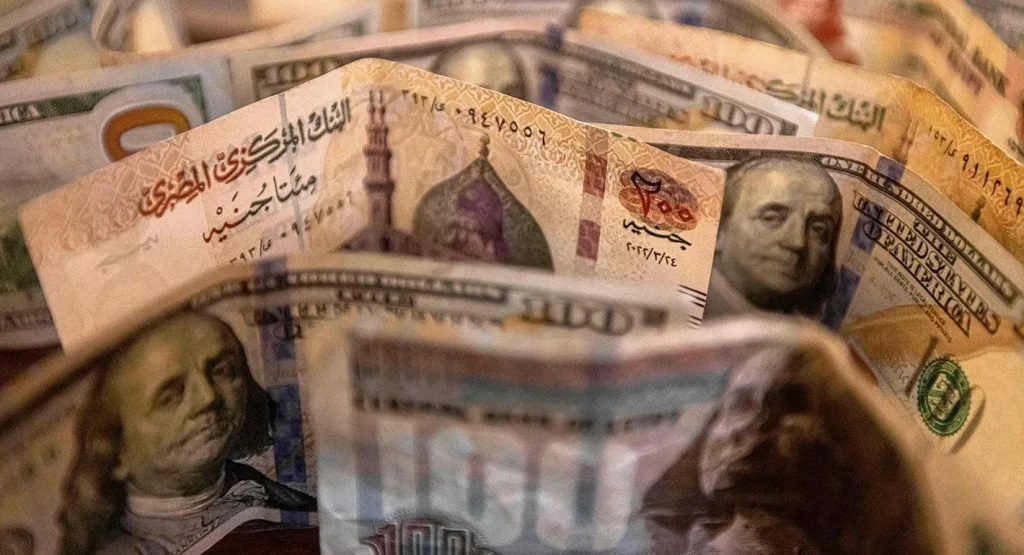
On Thursday, the Egyptian pound plummeted to its lowest level against the U.S. dollar in eight months. Since early 2022, the currency has lost a staggering two-thirds of its value. This fiscal deterioration threatens the stability of a nation that relies heavily on foreign imports.
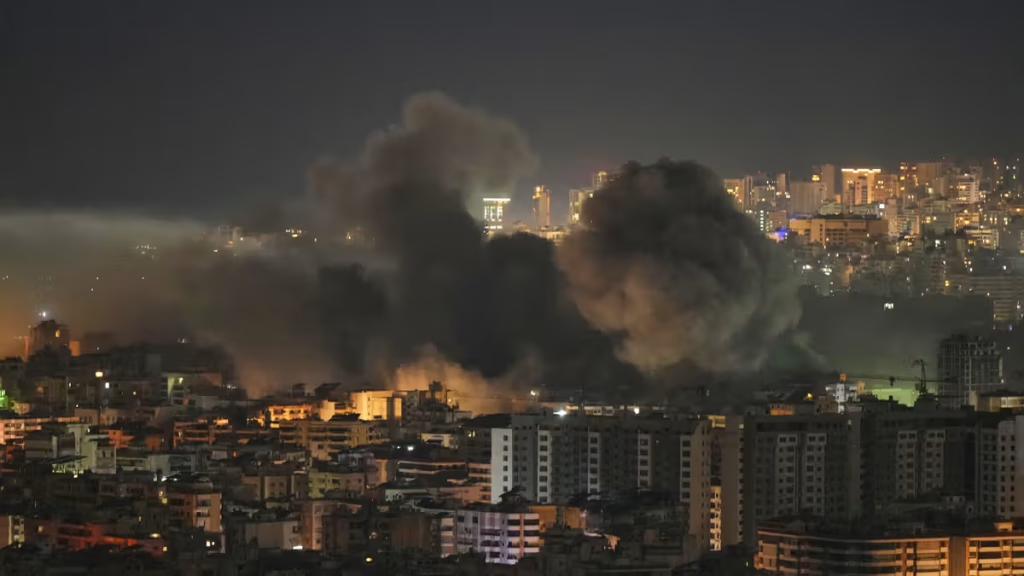
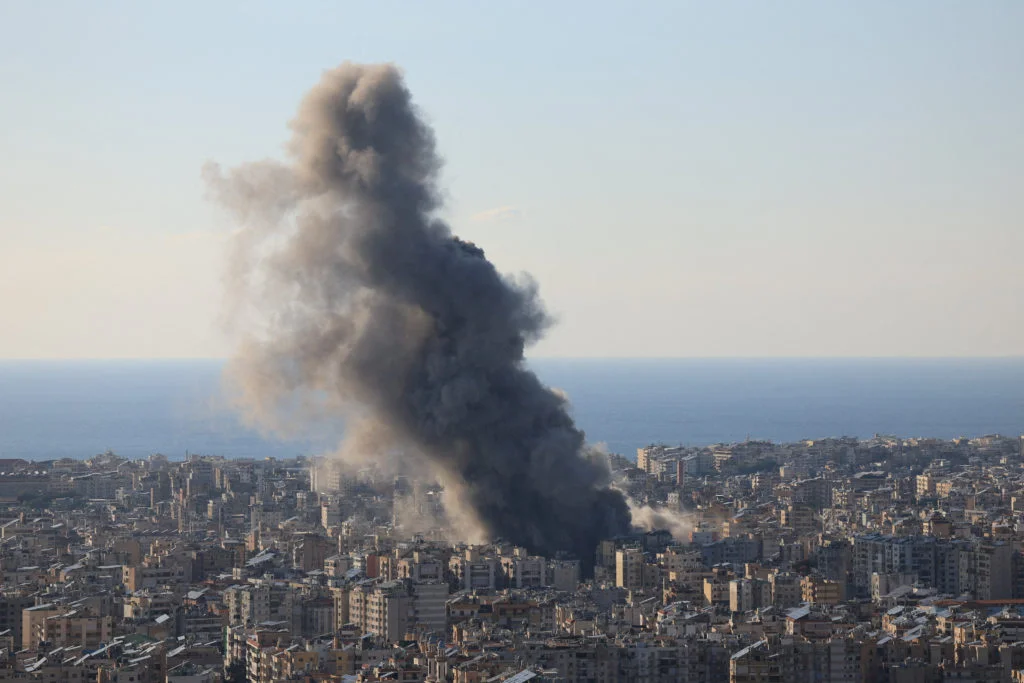
The President’s warning comes at a time of extreme regional volatility. Escalating tensions involving Israel, Iran, and the United States have created a ripple effect. This instability is felt far beyond the immediate battlefields.
The Intensifying Egypt Economic Crisis and Regional Instability
The primary driver of the current panic is the disruption of global trade. Egypt sits at a geographical crossroads that is currently under fire. Strikes on Egypt’s Gulf allies have caused widespread alarm in Cairo.
Furthermore, trade through the Strait of Hormuz has been largely paralyzed. This choke point is vital for energy markets and regional stability. When trade in the Gulf stalls, the Egyptian economy feels the pressure almost immediately.
The Egyptian government is struggling to maintain its foreign currency reserves. These reserves are essential for purchasing food, fuel, and medicine. Consequently, any disruption to trade routes becomes a direct threat to national security.
President Sisi addressed the nation at a military academy event on Thursday. He was candid about the challenges ahead. He noted that “the current crisis might have some repercussions on prices.”
This acknowledgment of rising costs is a significant moment. It signals that the government is bracing for a new wave of inflation. For the average Egyptian citizen, this means daily essentials are becoming increasingly unaffordable.
Suez Canal Revenue: A Vital Lifeline Under Fire
The Suez Canal is perhaps the most critical asset in the Egyptian portfolio. It provides a steady stream of U.S. dollars through transit fees. This waterway is responsible for approximately 12% of all global trade.
However, the Red Sea security crisis has discouraged many shipping companies. Carriers are increasingly rerouting vessels around the Cape of Good Hope. This longer route avoids the danger zones but bypasses the Suez Canal entirely.
Consequently, Egypt is losing millions of dollars in potential revenue every week. This loss of hard currency makes it harder to support the Egyptian pound. Without these funds, the Egypt economic crisis will only continue to deepen.
The historical context of the Suez Canal is also relevant here. It has long been a symbol of Egyptian sovereignty and economic pride. Losing control over its profitability is a psychological and financial blow to the state.
| Economic Indicator | Current Status | Impact Level |
| Currency Value | 8-month low against USD | High |
| Foreign Reserves | Strained | Critical |
| Suez Revenue | Declining due to rerouting | Extreme |
| Inflation Rate | Rising | High |
Presidential Ultimatums: Military Courts and Market Control
The Egyptian government is taking a hardline stance against internal market instability. President Sisi warned that the state would not tolerate price-gouging. He specifically targeted traders who might try to exploit the crisis for profit.
The President suggested that such individuals could be tried “in military courts.” This is a severe threat that highlights the government’s desperation. By involving military justice, the state aims to bypass the slower civil legal system.
This move is significant because it reflects a “securitized” approach to economics. The government views high food prices not just as a financial issue, but as a threat to public order. Historically, food inflation has been a catalyst for social unrest in the region.
Meanwhile, the President’s spokesman echoed these sentiments in an official statement. The government is attempting to project an image of control and strength. However, the underlying numbers suggest a much more fragile reality.
Geopolitical Stagnation: Mediation and Hostilities
Egypt has traditionally played the role of a regional mediator. Cairo has been active in attempting to broker ceasefires and de-escalate tensions. President Sisi confirmed that he is currently pursuing mediation efforts to halt the fighting.
However, these diplomatic attempts are meeting significant resistance. Iran has publicly stated that it is not seeking a ceasefire. Furthermore, Tehran has indicated it has no interest in direct negotiations with the United States.
This diplomatic deadlock means the conflict is likely to persist. For Egypt, this is the worst-case scenario. A prolonged war in the region ensures that trade routes remain dangerous and expensive.
The involvement of the U.S. and Israel adds further layers of complexity. Egypt must balance its ties with Western allies while maintaining regional stability. This balancing act is becoming increasingly difficult as the violence scales up.
Broader Implications for the Import-Dependent Nation
Egypt’s reliance on imports makes it uniquely vulnerable to global shocks. The country is the world’s largest importer of wheat. Most of this supply comes from the Black Sea region, which is also currently disrupted by war.
When global shipping costs rise, the price of bread in Cairo rises too. This direct link between global conflict and local dinner tables is the core of the Egypt economic crisis. The state spends billions on subsidies to keep food prices low.
However, with the pound at an 8-month low, these subsidies are becoming unsustainable. The government is caught between the need for fiscal reform and the need to prevent poverty. It is a narrow path to walk with very little room for error.
The “near-emergency” declaration is more than just rhetoric. It is a plea for regional stability and international support. Without a swift end to the maritime threats in the Red Sea and the Gulf, Egypt’s economic future remains highly uncertain.
__________________________________________________
How Ivory Coast Rubber Farming is Cultivating Financial Freedom for Women