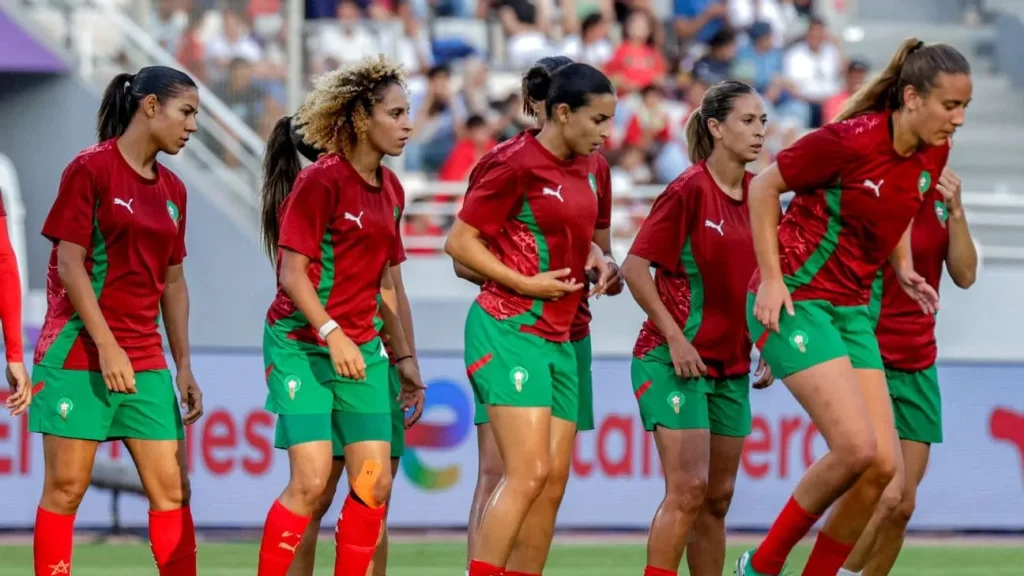
The continental football community is currently facing a period of intense anxiety and logistical confusion. With less than two weeks remaining before the Women’s Africa Cup of Nations (WAFCON) is scheduled to kick off, significant doubts remain regarding Morocco’s willingness and ability to host the prestigious event.
The tournament is slated to begin on March 17, 2026. However, reports suggesting that the North African nation may withdraw or delay the competition have sent shockwaves through the sport. Consequently, the Confederation of African Football (CAF) has been forced to issue a pledge, stating that the matter is receiving “urgent attention” and will be clarified in the coming days.
Why is Morocco Hesitating?
Morocco has long been a reliable partner for continental football, but the current timing appears to be a major hurdle. According to sources close to the situation, the Moroccan authorities have warned that they may struggle to meet the strict timelines required for a 16-team tournament.
The primary reasons cited for this hesitation include:
- Heavy Scheduling: Morocco’s football calendar is currently packed with domestic and international fixtures.
- Stadium Renovations: The country is currently undergoing massive infrastructure projects and stadium upgrades as it prepares for future global competitions.
- Logistical Strain: The sudden expansion of the tournament has increased the pressure on local organizing committees.
Despite these internal pressures, the lack of a definitive “yes” or “no” from Rabat has created a vacuum that is difficult for participating nations to navigate.
The Stakes: World Cup Qualification
CAF President Patrice Motsepe has taken a firm stance on the timing of the event. He has ruled out changing the dates or postponing the tournament further. The reason for this rigidity is simple: the WAFCON doubles as the primary qualifying event for the 2027 Women’s World Cup in Brazil.
If the tournament is delayed, it could throw the global qualifying calendar into chaos. African teams need to finalize their standings to ensure they are prepared for the world stage. Therefore, the pressure on CAF to find a resolution—or a new venue—is immense.
WAFCON 2026 Tournament Overview
| Feature | Detail |
| Start Date | March 17, 2026 |
| Current Host | Morocco (In Doubt) |
| Number of Teams | 16 (Expanded from 12) |
| Defending Champion | Nigeria |
| Major Stake | 2027 World Cup Qualification |
South Africa Steps into the Fray
As the uncertainty persists, other nations have begun to voice their frustrations. South Africa, a powerhouse in women’s football and the reigning regional rival to the giants of the north, has officially stated that it is ready to step in.
South Africa’s Sports Minister issued a scathing critique on Wednesday, blasting the lack of communication from the current hosts. With only 13 days to go, the Minister pointed out that teams are in an “unprecedented logistical vacuum.”
“You cannot leave the status of a major continental tournament in doubt this close to the opening whistle,” the Minister remarked. South Africa has the infrastructure and the recent experience of hosting major events, making them the most logical “Plan B” if Morocco formally withdraws.
The Impact of Tournament Expansion
In November last year, CAF made the surprise move to expand the WAFCON from 12 teams to 16 teams. While this was hailed as a great step for the growth of the women’s game, it has clearly added a layer of logistical complexity that some hosts may find daunting.
Hosting 16 national teams requires:
- More Training Facilities: Each team needs high-quality pitches for daily practice.
- Increased Hotel Capacity: Accommodating hundreds of players, staff, and officials.
- Transport Logistics: Managing the movement of teams across multiple cities simultaneously.
Nigeria, the defending champions, are currently preparing to protect their crown. Last year, the Super Falcons pulled off a thrilling comeback to beat Morocco 3-2 in a high-octane final. They, along with 15 other nations, are currently training without knowing exactly where they will be playing in two weeks’ time.
The Logistical Nightmare for Participating Teams
For the coaching staff and administrative bodies of the 16 qualified nations, the current situation is a nightmare. Travel arrangements for large delegations are typically made months in advance.
Teams currently face several unanswered questions:
- Visas: Where should players apply for entry permits?
- Flights: Should tickets be booked to Casablanca or Johannesburg?
- Acclimatization: Coaches cannot plan altitude or weather-based training without knowing the destination.
This lack of clarity is not only unprofessional but also detrimental to the performance of the athletes. High-level sport requires mental focus, and “stadium-hopping” at the last minute is a significant distraction.
Looking Ahead: A Final Decision Imminent
The Confederation of African Football is expected to make an announcement by the end of the week. The options are narrow: either Morocco reaffirms its commitment with a guarantee of readiness, or the tournament moves to South Africa (or another willing host) in a “rescue” capacity.
Regardless of the outcome, this episode has highlighted the need for more robust hosting agreements and clearer communication between CAF and its member associations. The growth of women’s football in Africa is undeniable, but the administrative side of the game must keep pace with the talent on the pitch.
Conclusion
The Women’s Africa Cup of Nations is a celebration of talent, resilience, and progress. It is a tournament that deserves a stable stage. Whether the lights go up in Morocco or South Africa on March 17, the focus must eventually return to the players who have worked tirelessly to reach this point.
For now, the Super Falcons, the Banyana Banyana, and the rest of the 16-team field remain in a state of suspended animation, waiting for the word that will finally allow them to focus on the football.
ALSO READ: UK Suspends Study Visas for Four Countries to Curb Asylum “Abuse”