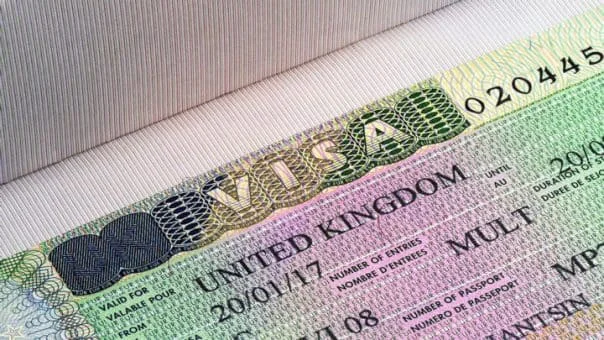
The UK government has introduced a major shift in British immigration policy. On Tuesday, March 3, 2026, the Home Office announced an “emergency brake” on study visas for nationals from Afghanistan, Cameroon, Myanmar, and Sudan. This unprecedented step aims to close what officials describe as a “backdoor” into the asylum system.
Home Secretary Shabana Mahmood stated that the move responds to a sharp spike in asylum applications. Specifically, these claims come from individuals who initially entered the United Kingdom through legal migration routes.
Under the new rules, which begin on March 26, 2026, the UK will no longer issue sponsored study visas to citizens of these four countries. Furthermore, the government is halting Skilled Worker visas specifically for Afghan nationals.
Understanding the Data Behind the Decision
The Home Office recently released figures that justify this hard-line stance. The data highlights a significant increase in people switching from student status to asylum seekers. In fact, applications from students of these four nations skyrocketed by more than 470% between 2021 and 2025.
Several key statistics are driving this policy change:
- Legal Route Surge: Since 2021, nearly 135,000 people entered the UK via legal routes and later claimed asylum.
- Proportion of Claims: In 2025, roughly 39% of all asylum applications came from individuals who arrived via study or work visas.
- Specific Country Impact: Afghan students reportedly claimed asylum in the “vast majority of cases” since 2021. Meanwhile, applications from Myanmar students increased sixteen-fold during the same period.
Home Secretary Mahmood emphasized that the integrity of the visa system must be protected. While she noted that Britain will always provide refuge to those fleeing war, she argued that the system must not be abused. Consequently, she is taking this decision to prevent exploitation of the UK’s generosity.
Political Pressure and the New “Temporary” Status
This crackdown arrives during a time of intense political pressure for the Labour government. The Reform UK party has surged in polls by focusing on anti-immigration platforms. By adopting a “hard-edged” approach, the current government aims to reclaim the narrative on migration.
Beyond the visa ban, the Home Secretary is introducing broader asylum reforms. For example, the government will now grant refugees temporary protection instead of long-term security.
Starting this week, every individual granted refugee status will be told their protection is temporary. Officials will review their status every 30 months. If their home country is deemed safe during that review, the UK will expect them to return home.
| Policy Change | Effective Date | Impact |
| Study Visa Ban | March 26, 2026 | No new study visas for AFG, CMR, MMR, SDN |
| Afghan Work Visa Halt | March 26, 2026 | Suspension of Skilled Worker visas for Afghans |
| Refugee Review Period | March 2026 | Protection reviewed every 30 months |
| Visa Brake Legislation | March 5, 2026 | Rules formally laid before Parliament |
The Financial Cost of the Asylum System
The Treasury has focused heavily on the financial burden of the current system. Currently, asylum support costs the UK taxpayer more than £4 billion per year. Because of these high costs, the government is eager to find savings.
The Home Office noted that nearly 16,000 nationals from the affected countries receive public support. Additionally, over 6,000 of these individuals currently live in hotels. By restricting legal entry routes, the government hopes to reduce the pressure on the asylum support bill. Notably, this bill has already seen a reported reduction of £1 billion under the current administration.
How the Ban Affects Universities and Students
While the government prioritizes border control, the education sector faces new uncertainty. UK universities rely heavily on international student tuition fees. As a result, they must now adjust their recruitment strategies at very short notice.
Critics of the move argue that the targeted countries are currently experiencing severe internal conflicts:
- Afghanistan: Ongoing human rights violations, especially against women.
- Sudan: Widespread civil war and a massive humanitarian disaster.
- Myanmar: Systematic discrimination and state-sponsored violence.
- Cameroon: Separatist conflicts and ongoing terrorist threats.
Advocates for international students point out that these student numbers are relatively small. For instance, only 335 Afghan students were in the UK during the last academic year. Therefore, critics argue that the ban may not change overall migration figures significantly, but it will deprive vulnerable people of an education.
Looking Ahead: A Data-Driven Border Strategy
The “emergency brake” used this week will likely serve as a blueprint for future policy. The Home Office has hinted that visa access for specific nationalities may become “dynamic.” This means restrictions could be applied or lifted based on real-time data regarding asylum claim rates.
As the new rules take effect on March 26, the world will watch how other nations respond. The government is testing whether this “hard-line” approach can successfully stop political challenges from the right. For now, the message from Whitehall is clear: the era of the “legal route” acting as a guaranteed path to asylum is ending.
READ ALSO: Cyber Warfare Looms: U.S. Financial Sector Braces for Iranian Digital Strikes