The international medical charity Doctors Without Borders (MSF) has recently shared a harrowing update regarding its operations in South Sudan. It has now been one month since a wave of coordinated violence swept through Jonglei State. Shockingly, 26 staff members remain missing, leaving the humanitarian community in a state of profound distress.
The disappearance of these dedicated medical professionals followed a series of targeted attacks on two healthcare facilities.
These hubs were located northeast of the capital, Juba, in a region already struggling with a massive displacement crisis. Consequently, the loss of contact with these workers highlights the extreme dangers that humanitarian teams face daily in global conflict zones.
Understanding the Targeted Attacks on Healthcare
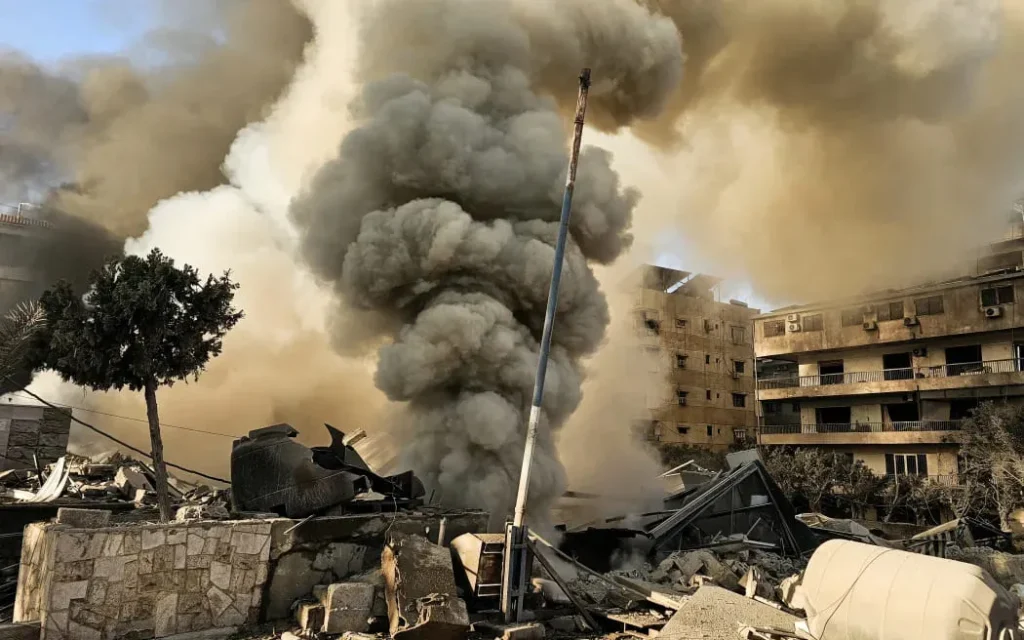
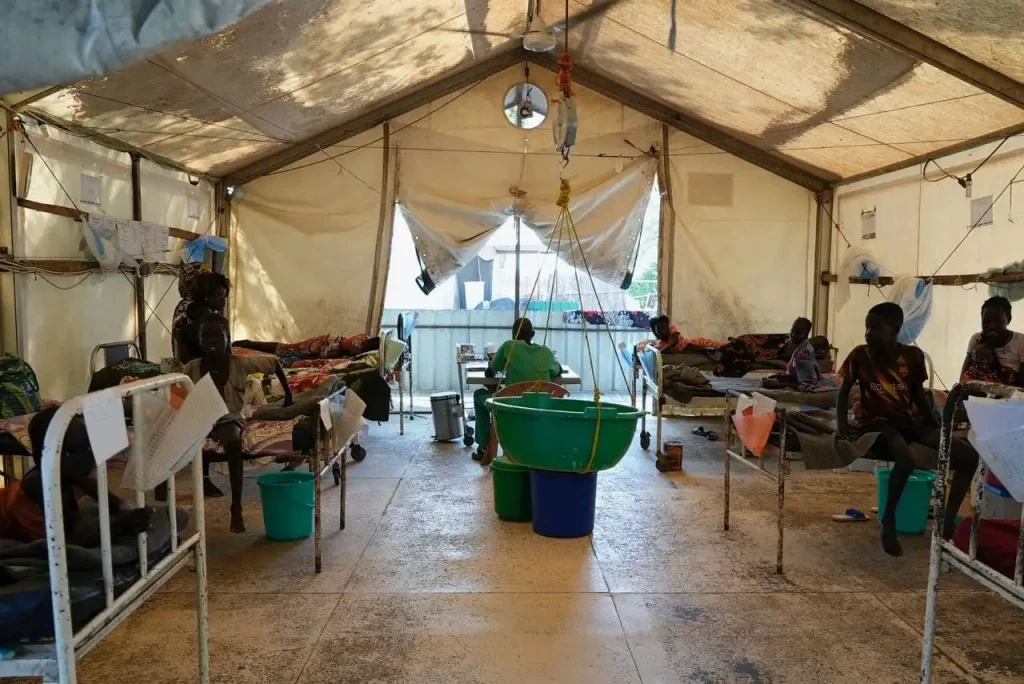
On February 3, 2026, two vital medical hubs operated by MSF were struck in areas held by opposition forces. These incidents were certainly not isolated. Instead, they occurred during a period of intense military maneuvering in north-central Jonglei. The violence targeted the very places where the most vulnerable citizens seek sanctuary and healing.
According to MSF, Lankien Hospital was bombed by government forces. Meanwhile, the Pieri Medical Facility was raided by “unknown assailants” during that same window of chaos. As the attacks began, medical staff were forced to flee for their lives. They moved alongside thousands of terrified civilians into remote, rural areas to escape ongoing aerial bombardments and ground-level clashes.
Of the 291 employees working at these sites, most managed to find safety. However, 26 individuals have not been heard from since the initial evacuation. This silence has created a void that the organization is struggling to fill, both operationally and emotionally.
A Communication Blackout Amidst Mass Displacement
The charity expressed deep concern in a statement released on Monday, March 2, 2026. They cited “ongoing insecurity” as the primary reason for the persistent silence. Furthermore, the lack of news is likely linked to the limited telecommunications infrastructure in the rural parts of Jonglei State. In many areas, network towers have been damaged or deactivated due to the fighting.
Those staff members who have managed to establish contact described a landscape of total “destruction, violence, and extreme hardships.” This testimony reflects a much broader humanitarian disaster.
Currently, an estimated 280,000 people have been displaced since December alone. These families are hiding in swamps and forests, often too afraid to seek help for fear of being discovered by armed groups.
The Rising Cycle of Violence in Jonglei State
The current crisis is deeply rooted in a sharp escalation of fighting that began late last year. In December, opposition forces seized a string of government outposts across the north-central region. However, January saw a massive counteroffensive by government troops. This move successfully recaptured much of the territory, but it did so at a devastating cost to the civilian population.
Civilians who managed to flee to Akobo—a town near the Ethiopian border—have shared accounts of horrific brutality. Many of the displaced walked for days through harsh, arid terrain. They lacked access to food, clean water, or basic shelter. Their harrowing testimonies suggest that the conflict has moved far beyond military targets. Now, it is directly impacting the most vulnerable people in the nation.
Humanitarian Aid Is Increasingly Under Fire
Aid organizations are now sounding the alarm. They warn that the attacks in Lankien and Pieri are part of a broader, more alarming trend. In South Sudan, humanitarian staff, essential supplies, and vital infrastructure are increasingly becoming deliberate targets of war. MSF reports that its facilities have been attacked 10 times in just the last 12 months.
Yashovardhan, the MSF Head of Mission in South Sudan, emphasized the human cost of this trend. He noted that the violence has taken an “unbearable toll” on the very individuals who keep healthcare services running. These are the doctors, nurses, and logistics experts who chose to stay in dangerous areas to save lives.
“Medical workers must never be targets,” Yashovardhan stated firmly. “We are deeply concerned about what has happened to our colleagues and the communities we serve.”
The Grave Threat to Global Healthcare Standards
The targeting of medical facilities is a direct violation of international humanitarian norms and the laws of war. When a hospital is bombed or raided, the immediate impact is the tragic loss of life and expensive equipment. However, the long-term consequence is even more severe. It leads to the total collapse of the healthcare “safety net” for the local population.
Without these facilities, there is nowhere for civilians to treat common illnesses, severe malnutrition, or birth complications. These issues are only exacerbated by the mass displacement of 280,000 people. Furthermore, the disappearance of 26 staff members depletes the pool of skilled professionals. It makes it increasingly difficult to find experts willing to work in these high-risk areas in the future.
If the world allows medical workers to become fair game in conflicts, the entire foundation of humanitarian aid will crumble. This sets a dangerous precedent for other conflicts across the globe.
Conclusion: A Critical Call for Protection
The situation in Jonglei State remains incredibly volatile. As MSF continues its desperate efforts to locate its missing colleagues, the international community faces a stark reality. The space for neutral, life-saving humanitarian action is rapidly shrinking.
The safety of medical workers is paramount. Their protection is necessary not only for their own sake but for the survival of the hundreds of thousands of people caught in the crossfire. Without an immediate commitment from all warring parties to respect medical neutrality, the health crisis in South Sudan will only spiral further out of control.
We must remember that behind every missing person is a family waiting for news and a community that has lost a healer. The search for the 26 continues, but the window of hope is narrowing every day.
READ ALSO: U.S. Commerce Secretary Agrees to Testify Over Howard Lutnick Epstein Ties