The humanitarian situation in Lebanon has reached a critical tipping point as a fresh wave of military strikes battered the southern outskirts of Beirut and various other regions across the nation. Over the span of 48 hours, between March 2 and March 3, the intensification of hostilities has left behind a trail of destruction, displacement, and a rapidly climbing death toll.
According to latest reports from Lebanese health and administrative authorities, at least 31 individuals have lost their lives, with another 149 reported injured. These figures, officials warn, are provisional and likely to rise as emergency teams continue to navigate the debris of leveled residential zones.
The Impact on Beirut’s Southern Suburbs
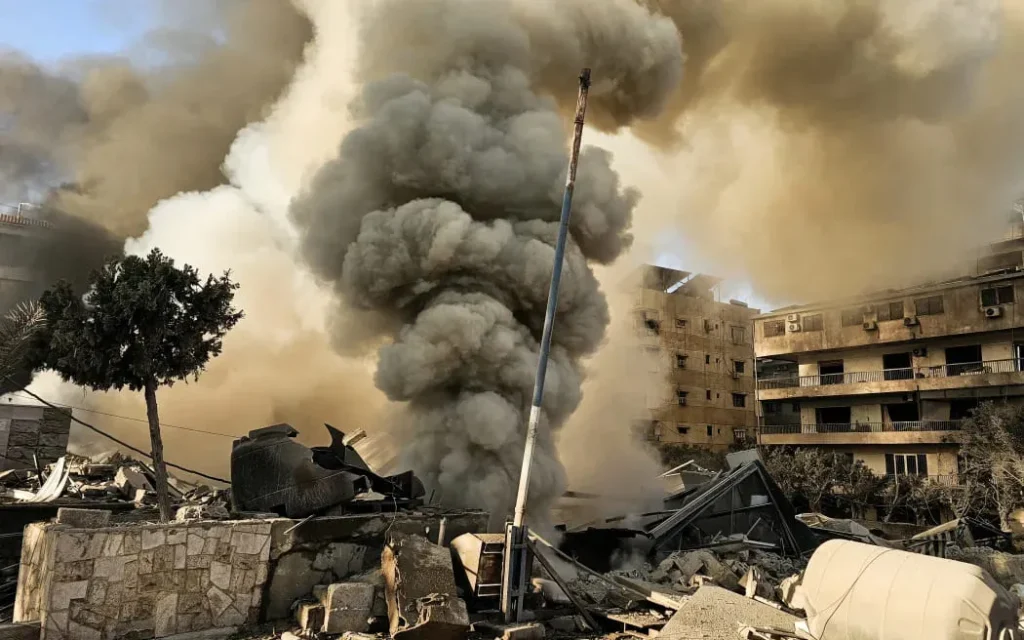
The strikes primarily targeted the southern suburbs of the capital, an area historically associated with the political and military operations of Hezbollah. For the residents of these densely populated neighborhoods, the reality of the conflict has moved from distant threats to immediate, life-altering devastation.
In the wake of the bombardments, entire blocks have seen structural damage, forcing a mass exodus of civilians. Families, carrying only what they could fit into cars or carry on their backs, have flooded toward the central and northern parts of the city.
Immediate Institutional Response
The Lebanese state and local municipalities have been forced into a state of emergency. The response has been divided into three primary pillars:
- Education: Schools throughout Beirut and the surrounding governorates have been ordered to close indefinitely. This move aims to ensure student safety but also facilitates the second pillar of the response.
- Infrastructure: Several public buildings, including community centers and government offices, have been repurposed into makeshift emergency shelters. Schools, in particular, have become the primary sanctuary for those with nowhere else to go.
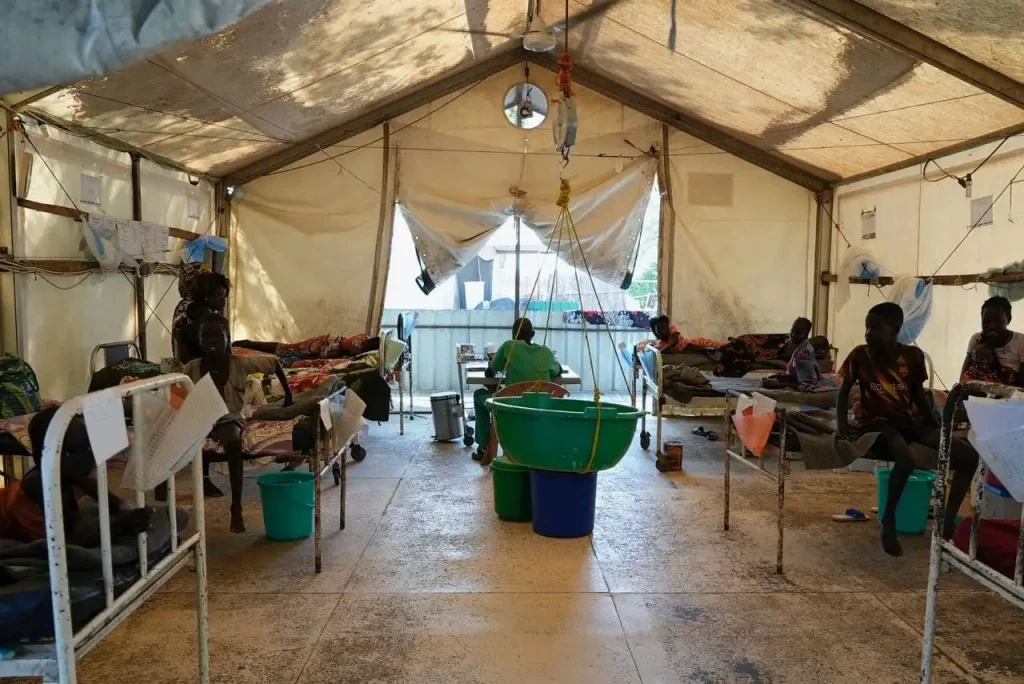
- Healthcare: Hospitals in the capital are operating under immense strain. Medical staff are working double shifts, prioritizing emergency surgeries and trauma care as the influx of wounded continues to fill wards to capacity.
A Growing Humanitarian Crisis
As the conflict deepens, the focus has shifted toward the survival of the displaced. Humanitarian organizations on the ground are working around the clock to manage the logistics of a sudden internal migration. The timing of the escalation is particularly difficult, as the region is still grappling with the tail end of winter weather.
To combat the cold and the lack of basic necessities, aid groups have begun the large-scale distribution of essential supplies:
- Sleeping bags and heavy mattresses for those sleeping on the floors of public schools.
- Winter clothing for children and the elderly who fled their homes without adequate protection against the damp, chilly air.
- Food and hygiene kits to prevent the outbreak of illness in overcrowded shelters where sanitation is difficult to maintain.
While the government has provided the spaces for these shelters, the sheer volume of people seeking refuge has exceeded initial capacities. In many instances, multiple families are sharing single rooms, and local volunteers have stepped in to fill the gaps in resources with community-funded kitchens and supply drives.
Regional Retaliation and Military Dynamics
The strikes on Lebanese soil have not occurred in a vacuum. Regional reports indicate that Hezbollah has responded with its own series of military operations. Utilizing a combination of unmanned drones and missile barrages, the group targeted Israeli military installations across the border.
This cycle of action and reaction has created a “tit-for-tat” dynamic that makes a ceasefire appear increasingly elusive. For the average citizen in Beirut, the geopolitical strategies matter less than the immediate sound of sirens and the uncertainty of the next strike.
Reported Casualties (Provisional: March 2–3)
| Region | Status | Reported Deaths | Reported Injuries |
| Greater Beirut | Provisional | TBD* | 80+ |
| Southern Lebanon | Ongoing | 14 | 45 |
| Bekaa Valley | Under Assessment | 7 | 24 |
| Total | Combined | 31 | 149 |
The Psychological Toll on Daily Life
Beyond the physical numbers—the dead, the wounded, and the displaced is the profound psychological impact on the nation. Beirut is a city that has known conflict before, but the current escalation feels different to many residents. It is a weight that sits heavy on the chest of every parent and child.
The closing of schools is a particularly heavy blow to a society that prizes education above almost all else. It signals that the “normalcy” of daily life has been suspended, replaced by a survivalist routine. The strain on the city’s infrastructure is visible at every corner. Traffic is snarled by those trying to find safety, and the atmosphere in public squares is one of tense, quiet observation.
Every vibration from a distant explosion sends ripples of anxiety through the shelters. In these crowded rooms, parents try to distract their children with games or stories, attempting to shield them from the reality of the smoke rising on the horizon.
Looking Ahead: The Search for Stability
International observers are watching the situation with growing concern, noting that the “provisional” nature of the casualty counts suggests the full extent of the tragedy is not yet known. The primary challenge in the coming days will be twofold:
- Establishing a Clear Toll: Forensic and rescue teams must clear the affected sites in the southern suburbs. This is a dangerous task but necessary to provide families with the closure they desperately seek.
- Sustainable Aid: If the conflict persists, the current emergency shelters will need more robust support. This includes consistent water supplies, mental health support for the traumatized, and permanent medical staffing within the shelters themselves.
Authorities have stressed that while they are doing everything possible to manage the crisis, the scale of the displacement is approaching a level that the state cannot handle alone. The reliance on local NGOs and international aid is currently the only thing standing between the displaced and a total humanitarian collapse.
Conclusion
The events of early March have marked a grim chapter in the ongoing regional tension. With 31 dead and nearly 150 injured in just two days, the cost of the conflict is being written in human lives.
As Beirut transforms its schools into sanctuaries and its citizens become refugees in their own city, the hope for a peaceful resolution remains shadowed by the smoke rising from the southern suburbs. The resilience of the Lebanese people is legendary, but even the strongest foundations can crack under such unrelenting pressure.
MORE LINKS: Cyber Warfare Looms: U.S. Financial Sector Braces for Iranian Digital Strikes
Rodrygo World Cup Injury: Brazilian Star Suffers Devastating ACL Tear