In a high-stakes diplomatic theater in Geneva, representatives from the United States and Iran have concluded another intense round of indirect negotiations. These talks aim to resurrect a functional agreement regarding Tehran’s nuclear program—a move many observers believe is the last line of defense against a full-scale regional conflict. With the specter of war looming over the Middle East, the mediation efforts in Switzerland have become a focal point for global security.
The primary objective of these discussions is to find a middle ground between the rigid demands of the Trump administration and the defensive posture of the Iranian government. While the physical distance between the two delegations in Geneva is small, the ideological and strategic gap remains vast.
Conflicting Mandates: Enrichment vs. Sovereignty
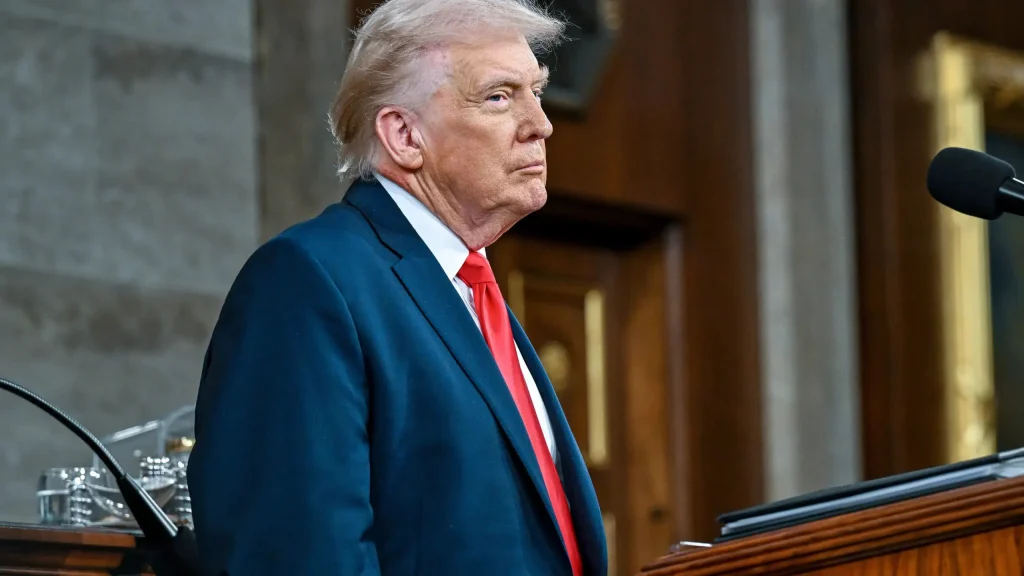
The crux of the tension lies in two fundamentally different visions for the region. President Donald Trump has maintained a consistent and firm stance: any viable deal must force Iran to completely halt its uranium enrichment processes. Furthermore, the U.S. is demanding a significant rollback of Iran’s ballistic missile development and a cessation of its influence-expanding activities across neighboring territories.
From the U.S. perspective, a “nuclear-only” deal is insufficient. Washington views Iran’s regional presence and missile technology as inseparable from its nuclear ambitions. Consequently, the American delegation is pushing for a comprehensive “Grand Bargain” that addresses all facets of Iranian power simultaneously.
In contrast, Iranian Foreign Minister Abbas Araghchi has remained resolute. Tehran insists that its nuclear program is entirely peaceful and intended for energy and medical research.
Iran refuses to bundle its regional defense strategy or its missile program into the nuclear negotiations. Araghchi has warned of a “terrible scenario” should these diplomatic efforts collapse. He explicitly noted that if a peaceful resolution is not reached, U.S. military bases in the region and Israeli security could face direct and significant risks.
The Omani Bridge: Mediating the Indirect Dialogue
Because the U.S. and Iran do not maintain direct diplomatic ties, the role of the mediator is crucial. The Sultanate of Oman has once again stepped into its traditional role as the “Switzerland of the Middle East,” facilitating communication between the two adversaries.
The Wednesday session lasted approximately three hours. Leading the American side were high-profile envoys Steve Witkoff and Jared Kushner, while Araghchi represented the Iranian interests. Although the parties did not sit in the same room, the Omani mediators shuttled between delegations to convey proposals and counter-offers.
Following the adjournment, the Omani mediator described the atmosphere of the discussions as “creative and positive.” While no breakthrough was announced, the fact that both sides agreed to continue the dialogue is seen as a minor victory for stability. The talks are set to resume shortly, with the mediators working to identify specific “carrots and sticks” that could lead to a formal de-escalation.
Military Posturing: The Shadow of Diplomacy
While the diplomats talk in Geneva, the reality on the ground is increasingly militarized. Outside the negotiation rooms, the United States has mobilized a massive naval fleet in the Middle Eastern region. This deployment is a clear signal of “deterrence through presence.”
By positioning aircraft carriers and strike groups within reach of the Persian Gulf, Washington is highlighting the potential consequences if the diplomatic track fails.
This dual-track approach combining “creative” diplomacy with “maximum pressure” military posturing is designed to force Tehran’s hand. However, it also raises the stakes of a potential miscalculation. With thousands of troops and advanced hardware stationed in close proximity to Iranian assets, any minor incident at sea or in the air could bypass the Geneva talks and trigger the very war the diplomats are trying to prevent.
The Human and Global Stakes of Failure
The failure of the Geneva talks would have repercussions far beyond the borders of the two nations involved. A collapsed deal would likely lead to:
- Accelerated Enrichment: Without oversight, Iran could push its uranium purity levels closer to weapons-grade status.
- Economic Volatility: Renewed or tightened sanctions would impact global oil prices and trade stability.
- Regional Escalation: Increased friction between Iran, its proxies, and regional rivals like Israel could lead to a multi-front conflict.
The “terrible scenario” mentioned by Araghchi is not just political rhetoric; it is a warning of a humanitarian and economic disaster that could engulf the entire region.
Conclusion: A Fragile Hope for De-escalation
The conclusion of this round of talks in Geneva leaves the world in a state of cautious waiting. The Omani mediation has provided a temporary bridge, but the structural issues—uranium enrichment, missile technology, and regional dominance remain unresolved.
The coming days will be decisive. If the “creative” solutions mentioned by the mediators can translate into a signed framework, the world may breathe a sigh of relief. If not, the heavy military presence in the region suggests that the transition from the boardroom to the battlefield could be swift and devastating. For now, the focus remains on the “positive” momentum of the indirect dialogue, as both sides weigh the high cost of walking away from the table.
ALSO READ: Ghana Urges Zelensky to Release Ghanaian POWs in Ukraine Amid Global Trafficking Crisis