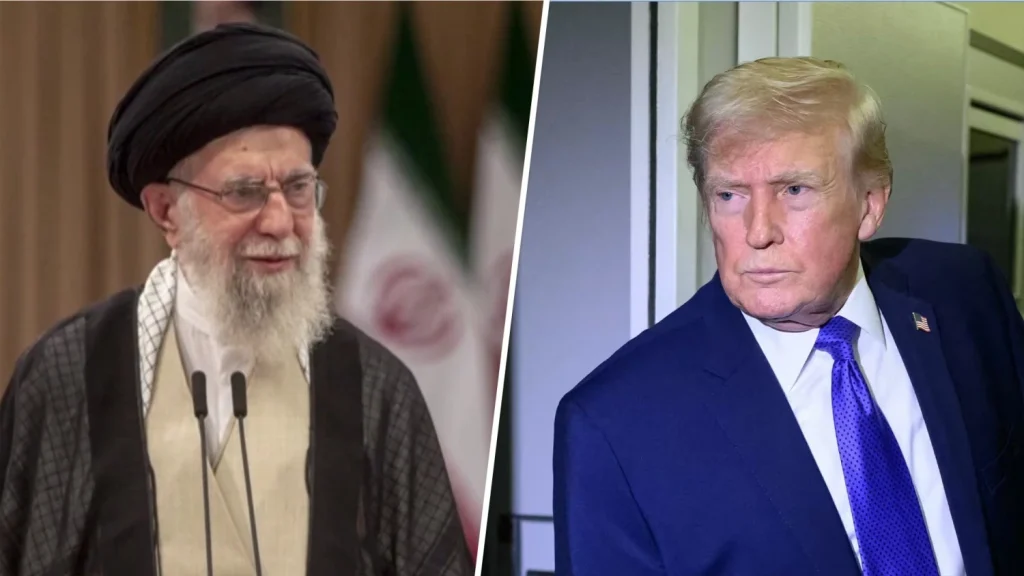
The geopolitical fault lines in the Middle East are shifting rapidly this week. Tehran has delivered a severe ultimatum to Washington. This stark warning arrives just hours before critical diplomatic engagements begin in Geneva.
American leadership faces a definitive crossroads. They must choose between respectful negotiations or prepare for a devastating military conflict. This tension sets a highly volatile stage for the upcoming US-Iran nuclear talks.
Furthermore, the threat materializes alongside a massive American naval deployment. The Pentagon has mobilized its largest Middle Eastern maritime presence in decades. Consequently, the global stakes have rarely been higher. A failure at the negotiating table could easily ignite a catastrophic regional war.
The Looming Shadow Over the US-Iran Nuclear Talks
This diplomatic standoff represents a critical juncture in international relations. Iran is explicitly pushing back against President Donald Trump’s intensified pressure campaign. The rhetoric from Tehran serves as both a defensive posture and a strict boundary.
Iranian Parliament Speaker Mohammad Bagher Qalibaf delivered the crucial ultimatum on Wednesday. He emphasized that the Islamic Republic remains open to a peaceful resolution. Qalibaf noted that these vital negotiations may yield an agreement through “honorable diplomacy.”
However, Qalibaf warned that the U.S. must choose a path “where dignity and mutual interests are respected.” The alternative is severe. If Washington opts for military aggression, Qalibaf stated an attack would draw a “firm blow” from Iranian forces.
This is not merely an empty rhetorical flourish. Security analysts widely recognize Iran’s extensive asymmetrical warfare capabilities.
A Historic Fleet: America’s Unprecedented Buildup
Washington is speaking softly but wielding an exceptionally large stick. The United States military has orchestrated a historic mobilization of maritime power. The USS Gerald R. Ford currently anchors this intimidating carrier strike group.
This particular vessel is the largest aircraft carrier ever constructed. The nuclear-powered titan remained docked Wednesday at an American naval installation on Crete. This strategic positioning places immense offensive capabilities within striking distance of the Middle East.
Meanwhile, this immense military buildup is causing local friction in Europe. Protesters recently gathered in nearby Chania to hold a peaceful anti-war demonstration. They voiced widespread anxiety regarding a potential conflagration. The Mediterranean basin increasingly fears becoming a staging ground for a broader, uncontrollable conflict.
State of the Union Claims and Escalating Rhetoric
The path toward the Geneva summit grew significantly rockier this week. Trump’s recent State of the Union address poured fuel on the diplomatic fire. On Tuesday, the president launched severe, public accusations against the Iranian government.
He claimed Tehran is actively developing highly advanced intercontinental ballistic missiles. Furthermore, Trump warned these projected weapons could soon threaten the American homeland directly.
Tehran immediately and vehemently rejected these aggressive assertions. Top Iranian officials quickly dismissed the president’s dramatic missile claims as “big lies.”
This public exchange of hostilities highlights the deep mistrust dominating US-Iran nuclear talks. Trump’s administration consistently utilizes a maximum pressure framework against Tehran. This strategy relies heavily on the constant, looming threat of kinetic military action.
Omani Mediation and the US-Iran Nuclear Talks
Despite the aggressive public posturing, vital diplomatic channels remain strictly open. Oman is stepping back into its traditional role as a crucial regional mediator. Muscat has historically facilitated highly sensitive backchannel discussions between Washington and Tehran.
Thursday’s formal negotiations in Geneva represent a truly pivotal moment. Both sides recognize the profound global implications of these mediated sessions. Iranian Foreign Minister Abbas Araghchi highlighted the immense gravity of the impending summit.
“We have a historic opportunity to strike an unprecedented agreement,” Araghchi stated.
This rare expression of optimism contrasts sharply with the surrounding military threats. It suggests a genuine desire within certain Iranian factions to secure lasting diplomatic progress.
Internal Pressures: Tehran’s Domestic Crisis
This external geopolitical chess match coincides with severe domestic turbulence inside Iran. The regime is currently navigating a highly complex internal crisis. Authorities faced widespread, violent nationwide protests just last month.
Additionally, recent campus demonstrations indicate ongoing, deep-seated civil unrest. Iranian citizens are increasingly frustrated by economic strangulation and severe political restrictions. Consequently, the government urgently requires a tangible diplomatic victory.
Securing a favorable agreement during the US-Iran nuclear talks could provide crucial lifelines. Key benefits would include:
-
Immediate relief from crippling international economic sanctions.
-
The unfreezing of billions in restricted overseas financial assets.
-
The normalization of crucial global oil exports.
-
A political victory to pacify a deeply restless domestic population.
Therefore, Tehran’s aggressive external rhetoric likely serves a dual purpose. It projects vital strength to both Washington and a skeptical domestic audience.
The Catastrophic Threat of Regional Escalation
The alternative to a diplomatic agreement is deeply unsettling for the world. Trump has repeatedly threatened direct military intervention if the current negotiations collapse. Middle Eastern neighbors watch these rapidly unfolding developments with mounting dread.
Regional leaders fear a direct US-Iran confrontation simply cannot be contained geographically. A localized preemptive strike would likely spiral into a sprawling regional war. Iran has already established its sweeping deterrence strategy publicly.
Tehran warned that all American military installations across the Middle East are legitimate targets. This alarming threat encompasses sprawling bases scattered throughout the Persian Gulf.
Furthermore, Iran commands a vast network of allied proxy militias across the region. A direct conflict would almost certainly activate these well-armed groups. The resulting violence would critically threaten global energy supplies and international shipping lanes.
The upcoming days in Geneva will definitively determine the trajectory of the Middle East. Negotiators face the monumental task of bridging a massive chasm of mutual hostility. The entire world watches closely as the clock ticks down toward Thursday’s summit.
__________________________________________________
Massive Zimbabwe US Health Deal Collapses Over National Sovereignty Fears