
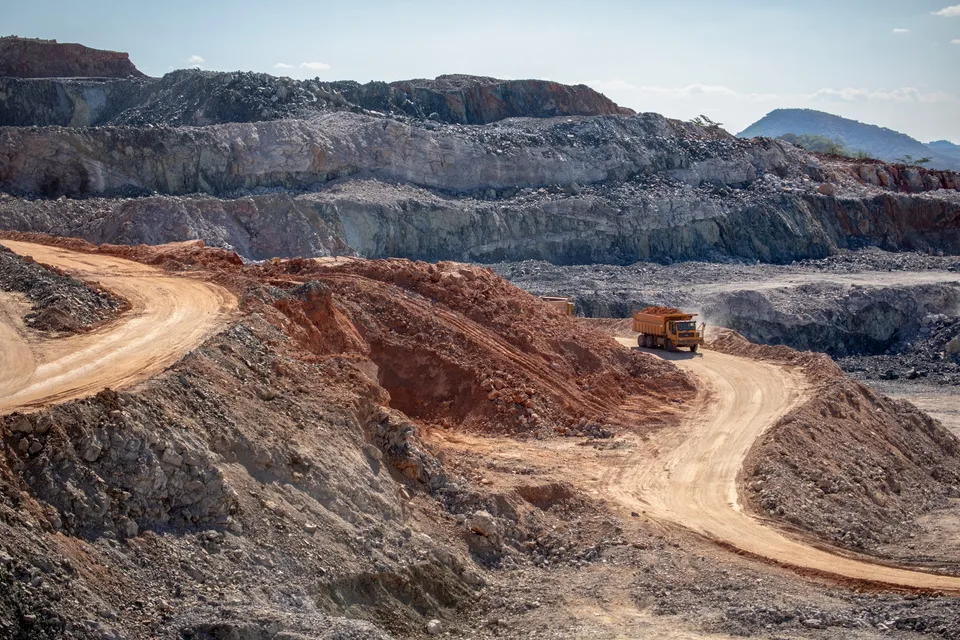
The global clean energy transition just hit a massive geopolitical roadblock. On Wednesday, a sudden Zimbabwe raw mineral export ban sent immediate shockwaves through international commodities markets. The national government officially froze all shipments of unprocessed minerals. Crucially, this immediate halt includes highly lucrative lithium concentrate.
This aggressive policy shift forcefully disrupts a critical global supply line. The ban immediately impacts the manufacturing of green technology worldwide. It also threatens the production timelines of advanced defense systems.
Consequently, multinational tech giants and automakers are scrambling. They must rapidly assess the vulnerability of their immediate supply chains. The days of easily extracting raw African wealth are rapidly ending.
The Immediate Impact of the Zimbabwe Raw Mineral Export Ban
The mines ministry executed this decisive freeze with zero grace period. The severe mandate even traps raw minerals that are already in transit. Ships and trucks carrying unrefined ores are effectively halted. This strict enforcement remains in place until further notice.
The government is demanding absolute compliance from foreign and domestic operators. There is no room for negotiation regarding the immediate halt.
“Government expects cooperation of the mining industry on this measure which has been taken in the national interest,” Mines Minister Polite Kambamura stated in an official release.
This is significant because it forces a massive industrial pivot. Mining conglomerates cannot simply dig and ship anymore. They must fundamentally restructure their regional operations overnight.
Accelerating the Timeline for Local Processing
The most shocking element of this policy is the accelerated timeline. Previously, the government had established a generous grace period for mining firms. The original deadline to halt raw lithium concentrate exports was January 2027.
That distant deadline was designed to give companies time. They needed years to construct complex local processing facilities. However, the state drastically changed the rules of the game on Wednesday.
The government cited the need for immediate “transparency, in-country value addition and beneficiation.” Essentially, the state is no longer willing to wait for economic justice.
This accelerated Zimbabwe raw mineral export ban forces the industry’s hand. Companies must either invest heavily in local refineries immediately or halt their lucrative extraction operations.
Disrupting the Dominant China Connection
To understand the massive scale of this disruption, one must look at geography. Zimbabwe is a geological powerhouse. The nation holds Africa’s largest known reserves of lithium.
This specific metal is the undisputed backbone of the modern economy. It is the core component inside electric vehicle batteries. Furthermore, it powers billions of everyday smartphones.
Historically, Zimbabwe operated primarily as an extraction site. Local workers dug the raw ore out of the ground. Then, the country shipped the vast majority of this unprocessed dirt to Asia.
Chinese industrial refineries eagerly purchased these raw materials. China then processed the minerals, manufactured the batteries, and captured the highest profit margins. The Zimbabwe raw mineral export ban directly attacks this unequal trade dynamic.
Reclaiming a Critical Economic Engine
Mining is not just a sector in Zimbabwe; it is the economic engine. The extraction industry contributes a staggering 14.3% to the nation’s total Gross Domestic Product.
However, exporting unrefined dirt leaves billions of dollars on the table. When a country exports raw materials, it essentially exports its own jobs. Value addition happens elsewhere.
Therefore, the state is demanding a larger slice of the pie. By forcing companies to process minerals locally, the government hopes to spark an industrial revolution.
Beneficiation creates thousands of high-paying, skilled manufacturing jobs. It also allows the state to tax a much higher-value finished product.
A Growing Global Trend of Resource Nationalism
This bold move by Harare is not an isolated geopolitical incident. It closely aligns with a rapidly growing worldwide trend. Across the globe, resource-rich nations are waking up to their immense leverage.
We are currently witnessing a fierce global scramble for rare earths. These strategic minerals dictate the future of human technology.
-
Clean Energy: Essential for solar panels, wind turbines, and grid storage.
-
Consumer Tech: Vital for laptops, tablets, and mobile devices.
-
Military Hardware: Required for guidance systems, drones, and advanced radar.
Consequently, many producing countries are tightly locking down their supply chain controls. Nations like Indonesia and Chile have recently implemented similar restrictive export policies.
This broader movement is widely known as resource nationalism. Developing nations are demanding equitable partnerships instead of exploitative extraction contracts. The Zimbabwe raw mineral export ban is simply the latest, loudest iteration of this movement.
Ultimately, this bold strategy carries significant short-term economic risks. Mining companies might temporarily freeze their local investments. However, if the gamble pays off, Zimbabwe will transform from a mere quarry into a wealthy, industrialized energy hub.
______________________________________________________________________________
Renewed Iran Student Protests Erupt in Tehran as New Semester Begins