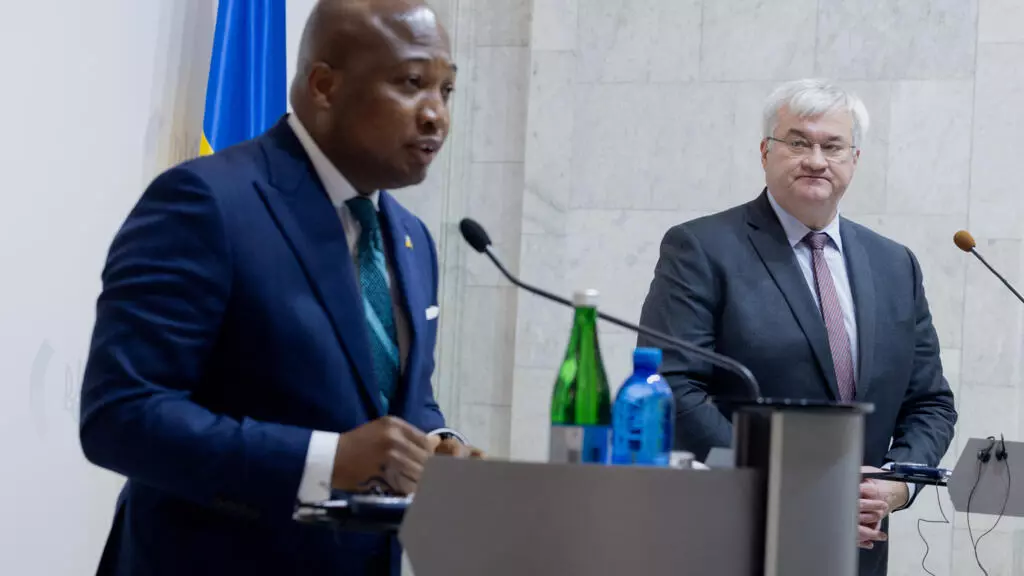
The geopolitical shockwaves of the war in Eastern Europe have firmly reached West Africa. A high-stakes diplomatic mission is currently unfolding in Kyiv. Ghana’s Foreign Minister, Samuel Okudzeto Ablakwa, recently traveled to the war-torn capital. He is actively seeking a vital humanitarian concession from President Volodymyr Zelensky. The absolute focus of this rare state visit revolves around the fate of two Ghanaian POWs in Ukraine.
These men were captured on the battlefield while fighting for Russian military forces. Their detention highlights a growing, darker dimension of this enduring conflict. It violently exposes the global reach of the war’s human toll. Furthermore, it reveals the extensive, deceptive recruitment networks currently operating across the Global South.
Consequently, Accra is aggressively pushing for a swift diplomatic resolution. The presence of a West African foreign minister in Kyiv underscores the extreme urgency. It also powerfully illustrates how modern warfare transcends geographical boundaries to impact developing nations.
The Diplomatic Push for Ghanaian POWs in Ukraine
The central objective of Ablakwa’s diplomatic visit is straightforward. He wants his citizens back. Diplomatic channels are now fully active to secure their safe return to West Africa.
During a recent press conference with international journalists, Ablakwa struck a hopeful tone. He emphasized diplomacy, mutual respect, and goodwill over aggressive demands.
“We are quite optimistic that this visit will be very successful and that in my later discussions with President Zelensky, he will be magnanimous and compassionate and on humanitarian grounds release these two Ghanaians to us,” the minister stated.
This direct appeal leans heavily on Ukraine’s desire to build international alliances. Releasing these captives could serve as a powerful diplomatic gesture. It would show Kyiv’s willingness to cooperate on humanitarian grounds with African nations. Meanwhile, it helps distance Ghana from any perceived official support for Russia’s military campaign.
Victims of Trafficking, Not Willing Mercenaries
A crucial part of Ghana’s defense relies on redefining the fighters’ motives. Accra insists these men are not ideological combatants. They are certainly not highly paid mercenaries seeking fortune.
Instead, Ablakwa painted a grim picture of widespread international exploitation. He firmly blamed organized crime for luring his countrymen to the frozen frontlines.
“They are victims of manipulation, of disinformation, misinformation of criminal trafficking networks,” he explained.
This narrative aligns perfectly with a disturbing global trend. Reports frequently surface regarding foreign nationals tricked into signing Russian military contracts. Often, these individuals are promised lucrative, safe jobs in construction or logistics.
However, upon arrival, their passports are immediately confiscated. They are then forcefully deployed to active combat zones. Consequently, developing nations are scrambling to protect their vulnerable populations from these predatory schemes.
Humane Treatment in Captivity
The treatment of captured fighters remains a highly sensitive international issue. The Geneva Conventions strictly govern the handling of prisoners of war. Ghana has explicitly acknowledged Kyiv’s strict adherence to these international laws.
Ablakwa confirmed that Accra has monitored the ongoing situation closely. He offered public reassurances regarding the physical condition of the captive men.
“We have received reports that they are in good health,” he noted.
Furthermore, the minister praised the detaining authorities for their professional conduct. He emphasized that the men have been kept safe from physical abuse.
“They have not been tortured. They have not suffered any inhumane treatment since they were captured,” he added.
This public validation is a significant public relations victory for Kyiv. It reinforces Ukraine’s image as a responsible state actor. It starkly contrasts with frequent international reports criticizing Russia’s brutal treatment of its own prisoners.
The Staggering Scale of African Fighters
The capture of these two specific Ghanaians is not an isolated incident. It represents a massive, systemic issue spanning the entire African continent. The sheer volume of foreign fighters caught in the crossfire is alarming.
On Wednesday, Ukrainian officials released startling data regarding this exact phenomenon. They confirmed identifying more than 1,780 citizens from 36 different African countries within Russian ranks. Ghana is prominently included in this disturbing statistic.
This massive influx highlights Russia’s desperate, ongoing need for infantry manpower. Facing heavy troop casualties, Moscow has increasingly looked abroad to rapidly replenish its depleted forces.
Economic vulnerabilities in developing nations make this recruitment strategy highly effective. Traffickers prey relentlessly on the desperate. They offer immense financial incentives that are incredibly difficult to refuse in struggling economies.
A Geopolitical Warning from Kyiv to Accra
Ukrainian Foreign Minister Andriy Sybiga participated deeply in the diplomatic dialogue. He confirmed that both sides had a frank discussion about repatriating the captives. However, he also issued a very stern warning.
Kyiv is demanding proactive, preventative measures from its international partners. Sybiga urged the Ghanaian government to crack down on these illicit recruitment pipelines immediately.
“The Russians are dragging Ghanaians to their deaths, while Ukraine offers cooperation for the sake of life,” Sybiga declared.
This statement carries significant geopolitical weight. Ukraine is actively contrasting its diplomatic approach with Russia’s exploitative, deadly tactics. Kyiv desperately wants to be seen as a partner for development, not a consumer of African lives.
Consequently, African governments are under increasing international pressure to dismantle local trafficking cells. Ignoring the problem will only lead to more casualties and deeper diplomatic crises.
The Broader Global Implications
The controversy over the Ghanaian POWs in Ukraine signifies a massive shift in global diplomacy. The war is clearly no longer contained within European borders. Its tentacles have firmly grasped the economic vulnerabilities of the Global South.
Ukraine has spent the past two years trying to rapidly expand its influence in Africa. Kyiv recently opened several new embassies across the continent. This strategic outreach aims to aggressively counter deeply entrenched Russian narratives.
A successful repatriation of these prisoners could drastically accelerate Ukraine’s diplomatic progress in the region. It builds essential trust. Furthermore, it demonstrates the tangible, real-world benefits of maintaining open channels with Kyiv.
Conversely, the presence of thousands of Africans in the Russian military complicates international relations. It forces officially neutral nations to confront the brutal realities of the conflict firsthand.
Ultimately, this incident serves as a grim warning to the international community. The fog of war is incredibly thick. It easily conceals the malicious criminal networks exploiting the world’s most vulnerable citizens. Until these pipelines are permanently destroyed, the tragic cycle of deception and capture will continue unabated.
______________________________________________________________________________
Guinea-Sierra Leone Border Dispute Escalates as 16 Soldiers Detained