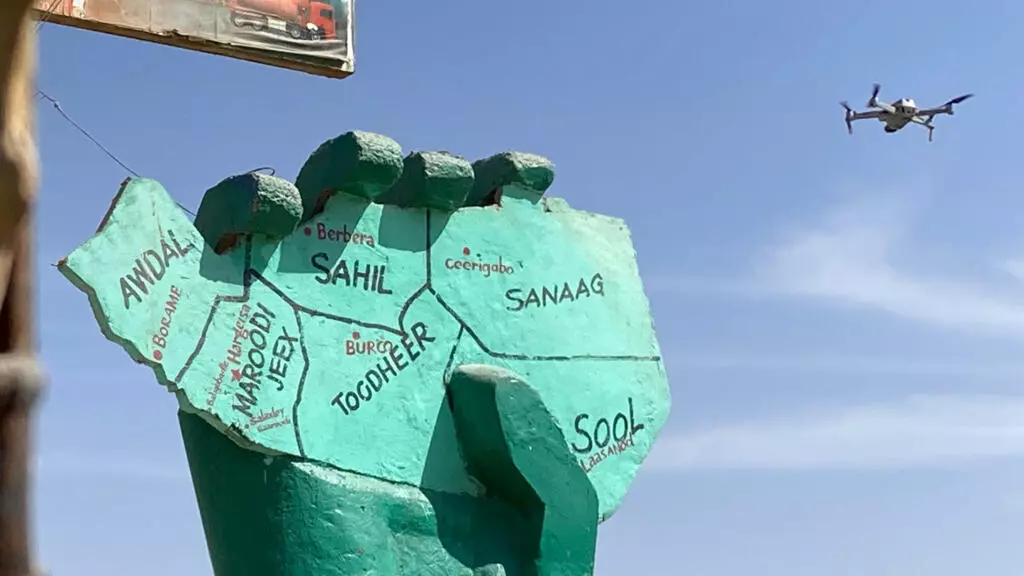
A massive economic and geopolitical shift is currently brewing in the Horn of Africa. Last December, Israel made a historic diplomatic decision. The nation formally recognized a breakaway territory in northern Somalia. Now, local officials are predicting a massive Somaliland mineral boom. This unique diplomatic alliance could totally reshape the region’s future.
The stakes are incredibly high for global energy markets. Untapped critical resources remain buried beneath the territory’s rugged hills. For decades, international investors ignored these assets. They feared the legal risks of operating in an unrecognized state. However, Israel’s recent endorsement changes that dynamic entirely. Consequently, the breakaway region is now aggressively courting foreign mining conglomerates.
The Geopolitical Origins of the Somaliland Mineral Boom
To understand this impending economic shift, one must look at recent history. Somaliland officially broke away from Somalia in 1991. The territory established its own government. It built its own institutions and maintained relative peace.
Despite 35 years of self-rule, the international community withheld official recognition. The United Nations still considers the region a sovereign part of Somalia. This lack of legal status acted as a massive economic blockade. It effectively prevented foreign direct investment.
Everything changed in December. Israel became the very first country to officially recognize Somaliland’s independence. This bold move provided a crucial layer of geopolitical legitimacy. Naturally, this decision sparked intense anger in Mogadishu. Somali officials fiercely defend their national territorial integrity.
However, leaders in the breakaway territory celebrated. They view this new diplomatic tie as a permanent economic turning point.
What Fuels the Somaliland Mineral Boom?
The optimism in the region relies on vast subterranean wealth. Local authorities claim the territory holds billions of barrels of unextracted oil. Furthermore, the rocky landscape conceals vital technology-grade metals.
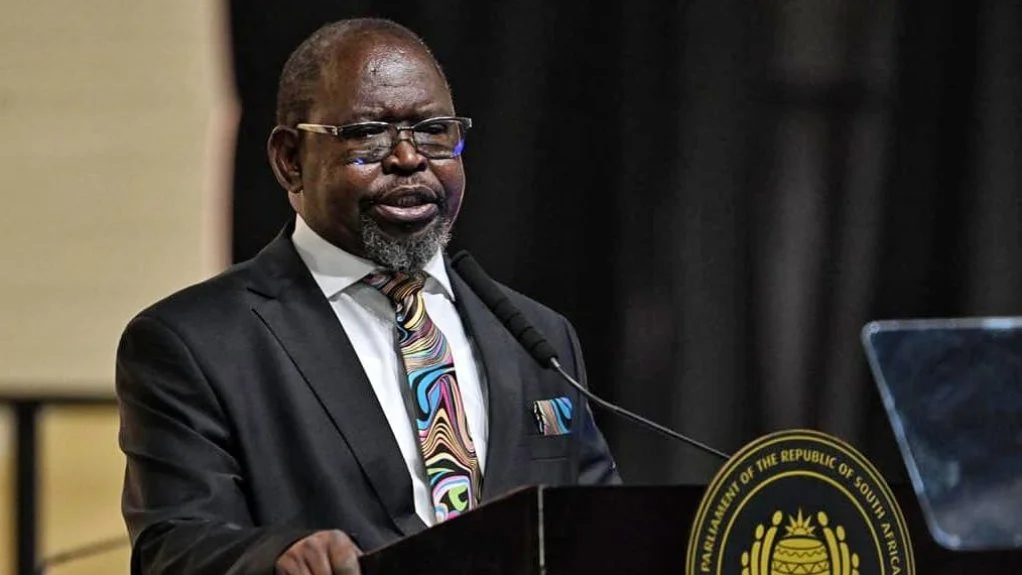
Mohammad Ali Adam serves as an expert at Somaliland’s Ministry of Energy and Minerals. He confirmed the staggering variety of underground assets.
“We have gemstone minerals and industrial minerals,” Adam stated.
These resources stretch far beyond basic construction materials. The territory sits on elements essential to modern technology.
“We also have highly sought-after minerals like lithium, cobalt, carbide, and titanium. We expect this will improve the lives of our people,” Adam explained.
This is significant because these specific metals currently run the modern world. Lithium and cobalt are absolutely essential for electric vehicle batteries. Titanium is a critical component in advanced aerospace engineering. Consequently, untouched deposits hold massive global leverage.
Israel’s Privileged Role in the Somaliland Mineral Boom
The territory’s leadership wants to reward its new diplomatic ally. They are actively pivoting their economic strategy toward Israeli businesses. President Abdirahman Mohamed Abdullahi is directly leading this initiative.
The president has openly considered granting Israel privileged access to the region’s wealth. He is signaling a strong willingness to leverage this new alliance. The goal is to rapidly convert long-claimed resources into tangible capital.
Somaliland’s Minister of Energy and Minerals, Ahmed Jama Barre, detailed the government’s exact strategy. He explicitly invited foreign exploration teams to the region.
“We are requesting Israeli companies to help explore our lithium sites, to understand the quantity and quality,” Barre said. “Then we will grant licenses to them.”
This systematic approach is crucial. Before heavy extraction can begin, geologists must map the exact size of the reserves. Israeli technology and capital could easily fund these expensive initial surveys.
Overcoming Decades of Economic Isolation
An unrecognized state faces severe logistical nightmares. Without official sovereignty, a government cannot secure loans from the World Bank. It cannot easily acquire international shipping insurance for its exports.
Therefore, global mining giants historically avoided the territory. They require absolute legal certainty before investing billions of dollars. A Somaliland mineral boom was impossible under those conditions.
Israel’s recognition creates a vital crack in this financial blockade. It establishes a formal legal framework for bilateral trade. If Israeli firms successfully operate there, other international companies might soon follow.
The Infrastructure Behind the Somaliland Mineral Boom
Extracting critical metals requires massive industrial infrastructure. You cannot simply dig up lithium and ship it overnight. The process demands deep-water ports, heavy rail lines, and massive power grids.
Currently, the region suffers from a severe infrastructure deficit. Decades of isolation heavily restricted local mining capabilities. Artisanal miners often rely on very basic, outdated tools. They desperately need heavy machinery to scale their operations.
Foreign investment could bridge this massive physical gap. Israeli companies possess the capital to build modern extraction facilities. Furthermore, they can construct the roads needed to transport raw ore to the coast.
Local Hopes and Regional Anger
For the average citizen, this diplomatic shift promises a better daily reality. The Somaliland mineral boom could create thousands of high-paying industrial jobs. It could fund new schools, hospitals, and public services.
Local mine worker Ahmed Ibrahim shared his deep optimism regarding the recent news. He views the new foreign presence as a positive force.
“We welcome Israel’s recognition of Somaliland and see them as brothers,” Ibrahim said. “With their support, we hope to expand mineral production and bring in modern equipment to power development.”
Meanwhile, regional tensions will likely continue to simmer. Mogadishu will undoubtedly protest any foreign extraction of resources it claims to own. The Horn of Africa remains a highly volatile geopolitical theater. Consequently, global investors will monitor the security situation very closely over the coming months.
______________________________________________________________________________
Ghana Urges Zelensky to Release Ghanaian POWs in Ukraine Amid Global Trafficking Crisis