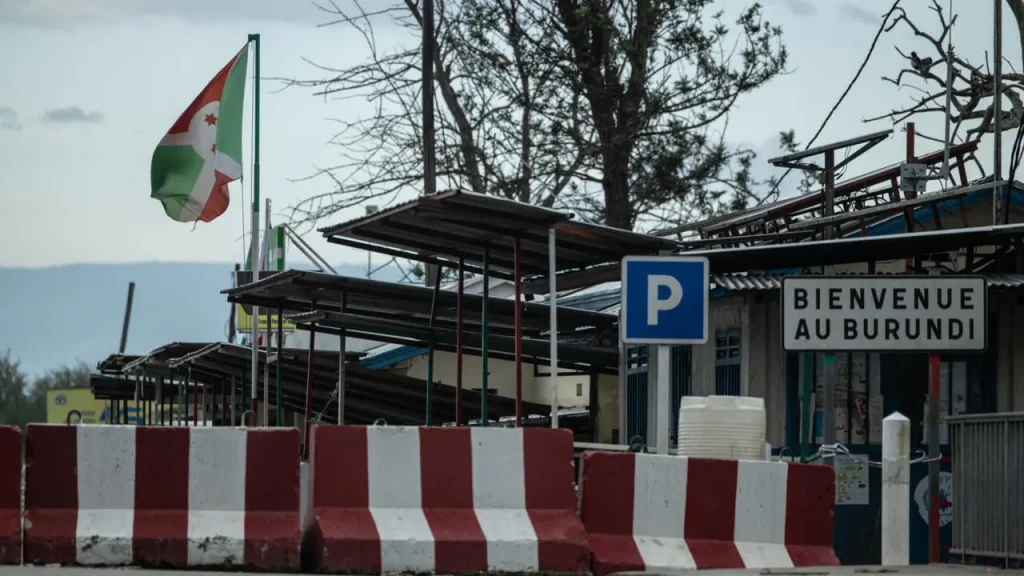
In a significant move for regional stability and commerce, a critical border crossing between the Democratic Republic of Congo (DRC) and Burundi officially reopened on Monday. The Kavimvira border post, located along the northern shores of Lake Tanganyika, had been shuttered for over two months. Its closure was a direct result of a major offensive by the M23 rebel group, which has caused widespread displacement and economic paralysis in eastern DRC.
Sources on both sides of the frontier confirmed that operations resumed at 8:00 am. The reopening marks a tentative but hopeful step toward normalcy for a region that has been the epicenter of a complex and shifting conflict.
The Strategic Importance of the Kavimvira Post
The Kavimvira crossing is far more than a simple checkpoint; it is a lifeline for the local economy. It sits on the main road connecting Bujumbura, the economic capital of Burundi, with Uvira, a strategic port city in the South Kivu province of the DRC.
During its closure, the flow of essential goods including fuel, agricultural products, and minerals came to a grinding halt. The interruption caused prices to skyrocket in local markets and left thousands of small-scale traders without a source of income. Beyond trade, the post serves as a vital transit point for civilians, many of whom have family ties and businesses on both sides of the border.
A Conflict-Driven Closure
The border was forced shut in December 2025 as the M23 rebels launched a rapid advance toward Uvira. Experts close to the situation suggest that the offensive was not merely about territorial gain. Instead, it was a calculated move to disrupt Burundi’s military support for the Congolese national army.
As the fighting intensified, the security situation became untenable. The violence triggered a massive humanitarian crisis, forcing tens of thousands of Congolese civilians to flee their homes. Many sought refuge across the border in Burundi, seeking safety from the indiscriminate shelling and ground combat that characterized the M23’s approach to South Kivu.
Mediation and the M23 Withdrawal
The path to reopening the border began in January 2026, when the M23 initiated a withdrawal from the outskirts of Uvira. The group cited a formal request from the United States government as the primary reason for their retreat. This move came amidst intense mediation efforts led by Washington, aimed at de-escalating the growing friction between Kinshasa and Kigali.
With the rebels pulling back, the Congolese national army was able to re-establish control over the strategic heights surrounding Uvira. This shift in territorial control provided the security guarantees necessary for provincial authorities to consider restoring border operations.
South Kivu Governor Jean-Jacques Purusi was instrumental in the decision to reopen the post. On Monday morning, he confirmed that the border was once again operational, signaling that the threat level to the city of Uvira had sufficiently subsided.
The Return of the Displaced
As the gates at Kavimvira swung open, the scenes were a mix of relief and exhaustion. Border police officials in Burundi reported a steady stream of Congolese citizens crossing back into their home country.
“We can see a lot of Congolese returning home,” one official noted, observing families carrying their belongings in bundles and on motorbikes. For many of these returnees, the priority is assessing the state of their homes and replanting crops before the end of the agricultural season.
However, the reopening is not universal. While Kavimvira is active, several other border crossings located in zones still under M23 influence remain tightly sealed. This fragmented reality highlights the uneven nature of the security environment in the eastern DRC.
Three Decades of Turmoil
The recent crisis is the latest chapter in a thirty-year history of instability in the mineral-rich eastern provinces of the DRC. The resurgence of the M23 in late 2021 reignited old tensions, drawing in regional powers and sparking international condemnation.
The conflict is driven by a complex web of factors, including:
- Mineral Wealth: Competition over the control of valuable resources like coltan, gold, and tin.
- Land Rights: Historical disputes over territory and ethnic representation.
- Regional Rivalries: Proxy involvements that complicate local peace efforts.
While the reopening of the Kavimvira post provides immediate economic relief, the long-term future of the region remains uncertain.
The underlying causes of the M23 rebellion have yet to be fully addressed through diplomatic channels, leaving many to wonder if this period of peace is a permanent shift or merely a temporary pause.
Conclusion: A Fragile Milestone
The resumption of trade at the DRC-Burundi border is a vital victory for the people of Uvira and Bujumbura. It restores a crucial economic artery and allows displaced families to begin the difficult process of rebuilding their lives.
However, the shadow of the M23 remains. As long as other key crossings remain closed and rebel forces maintain a presence in the lush hills of the Kivu regions, the threat of a renewed offensive lingers. For now, the focus is on the trucks crossing the border and the families returning home, celebrating a rare moment of progress in a region that has seen far too much conflict.
READ ALSO: CMAN Backs Tinubu’s Bold Executive Order 9 Oil Revenue Shake-Up