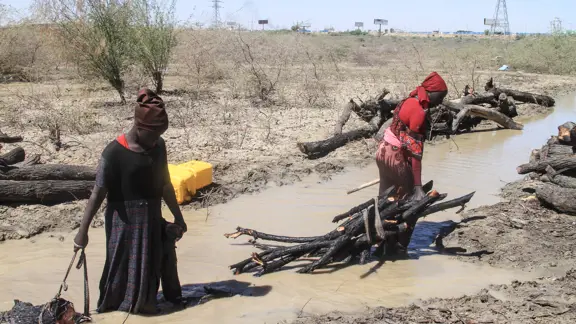
Khartoum now stands defenseless against the Nile’s seasonal floods. The historic Al-Sunut forest, once a vital natural shield, no longer exists.
Nearly three years of relentless warfare have reduced this 1,500-hectare sanctuary to a barren wasteland. Consequently, millions of residents face an increased risk of catastrophic flooding.
According to Boushra Hamed, a state environmental official, the natural reserve has been “completely wiped out.” Furthermore, Hamed estimates the wider capital region has lost 60 percent of its greenery since fighting broke out in April 2023.
Key Ecological Losses at a Glance:
- 1,500 hectares of protected acacia trees decimated.
-
60% of Khartoum’s total green cover vanished.
-
Habitat destroyed for over 100 migratory bird species.
The Global Impact of Al-Sunut Forest Destruction
The environmental toll spills far across international borders. Aboubakr Al-Tayeb, Khartoum’s forestry administrator, notes the severe global implications. Previously, this dense canopy sheltered more than a hundred species of migratory birds arriving from Europe.
Locally, the danger remains immediate and severe. Agricultural engineer Al-Nazir Ali Babiker warns that destroying this tree cover removes a crucial “barrier” against floodwaters.
Without this natural defense, routine seasonal floods will inevitably destroy more homes. Ultimately, this will displace countless families already suffering from the conflict.
Chainsaws Replace Conservation
Meanwhile, the ongoing war makes forest protection impossible. Opportunistic loggers operate with complete impunity across the region. Armed with modern tools, they have rapidly dismantled nature for profit.
Century-old acacia trees are regularly “cut down with electric saws.” This illegal logging fuels a booming local market for commercial timber and charcoal.
Today, wood gatherers wander across a dry, dusty landscape. Before the conflict, families gathered here for peaceful picnics under the sprawling branches.
Rebuilding this ecosystem will take generations. Seedlings require decades to mature in this harsh, arid climate.
As Mousa el-Sofori, head of the Forests National Corporation, explains, the loss is irreplaceable. He laments, “Some of these forests were centuries old.”
READ MORE: Niger Secures $91 Million IMF Boost: Economic Growth Projected at 6.7% for 2026