A United Nations fact-finding mission has released a harrowing report regarding the fall of El-Fasher, the strategic capital of North Darfur. The investigation concludes that the tactics used during the city’s prolonged siege and eventual capture by the Rapid Support Forces (RSF) may constitute acts of genocide.
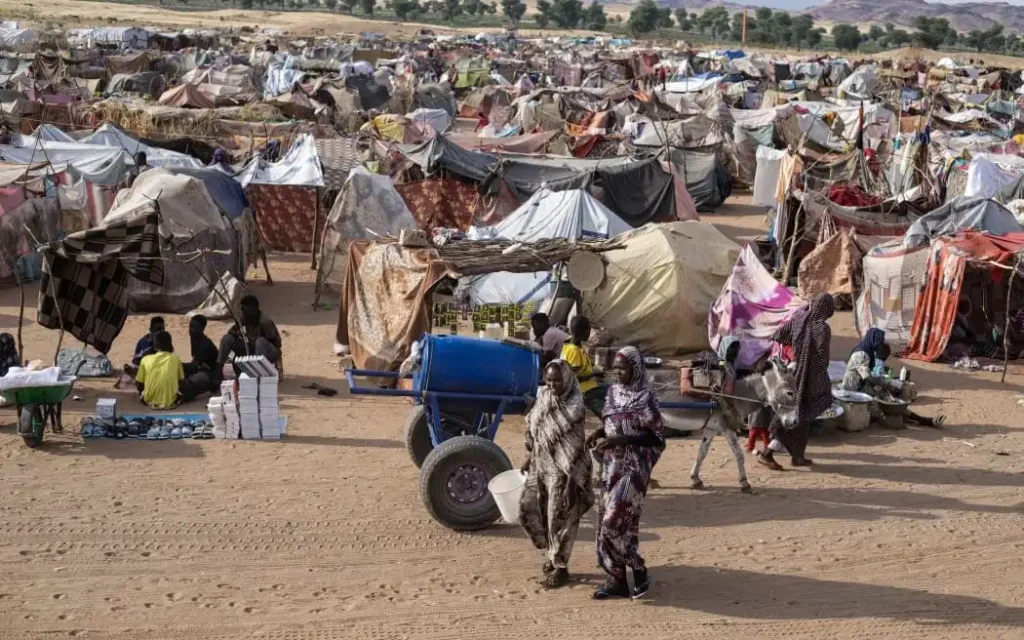
The report details a systematic campaign of violence that escalated in late October 2026, following an 18-month encirclement. This blockade effectively choked the city, cutting off essential food, humanitarian aid, and medical supplies for the civilian population.
Pattern of Atrocities and Ethnic Targeting
UN investigators documented a consistent pattern of human rights violations following the city’s takeover. These abuses include:
- Mass Killings: Thousands of residents are reported dead or missing.
- Systematic Torture: Widespread reports of physical and psychological abuse.
- Gender-Based Violence: Documented instances of sexual assault used as a tool of war.
- Enforced Disappearances: Civilians taken from their homes without a trace.
The inquiry highlights that these acts primarily targeted the Zaghawa and Fur ethnic communities. The systematic nature of the violence suggests an intent to destroy these groups in whole or in part—the core definition of genocidal intent under international law.
From Power Struggle to Ethnic Conflict
The conflict in Sudan originally erupted in April 2023 as a leadership struggle between the Sudanese Armed Forces (SAF) and the paramilitary RSF. The dispute centered on the integration of the RSF into the national military framework.
However, in the Darfur region, the war has devolved into an ethnic struggle. RSF-aligned militias have been accused of reigniting the same patterns of violence against non-Arab populations witnessed two decades ago under the regime of Omar al-Bashir.
Leadership and Responsibility
The UN mission named high-ranking RSF figures in their findings, including commander Lt. Gen. Mohamed Hamdan Dagalo (Hemedti). The report cites public statements from the leadership that appeared to acknowledge or defend the nature of the El-Fasher operations. While the RSF has previously denied involvement in atrocities, they have failed to provide evidence of any internal disciplinary actions or accountability measures.
The Role of Foreign Interference
A critical aspect of the report highlights the presence of foreign fighters and the use of advanced weaponry. Although the mission did not name specific countries, the presence of sophisticated tech indicates external support is fueling the RSF’s capabilities.
UN investigators warned that this external backing is prolonging the war and increasing the scale of civilian suffering. They have urged the international community to:
- Enforce the Arms Embargo: Strengthen restrictions on Darfur and expand them nationwide.
- Targeted Sanctions: Pursue individuals directly linked to serious human rights violations.
- Judicial Cooperation: Work closely with the International Criminal Court (ICC) to ensure perpetrators face trial.
Conclusion: A Crisis of Accountability
The findings are set to trigger urgent debates within the UN Security Council. To date, diplomatic efforts to secure a ceasefire have failed to stop the fighting. Experts warn that without immediate intervention and a robust judicial mechanism for prosecution, the risk of continued mass atrocities in Darfur remains dangerously high.
The fall of El-Fasher is not just a military victory for the RSF; it represents a catastrophic failure of international protection and a grim reminder of Darfur’s violent past repeating in the present.
READ ALSO: Chaos in Ilorin: Rivers United Grab Late Goal as Fan Violence Erupts