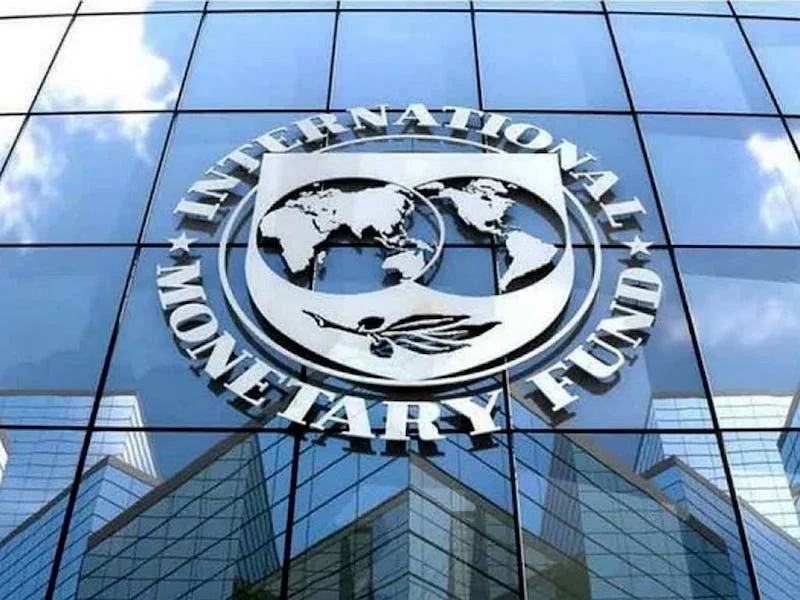
In a major development for the West African economy, the International Monetary Fund (IMF) has officially approved a new funding package for Niger totaling approximately $91 million. This financial injection is strategically designed to bolster the nation’s climate resilience and accelerate sustainable development initiatives.
The approval follows a comprehensive review of Niger’s ongoing economic performance and reform programs. Despite the evolving political landscape in the Sahel region, the IMF maintains a surprisingly optimistic outlook for the country’s fiscal trajectory. Most notably, the institution forecasts a robust economic growth rate of 6.7% for 2026, positioning Niger as one of the fastest-growing economies in sub-Saharan Africa.
The Drive for Economic Sovereignty
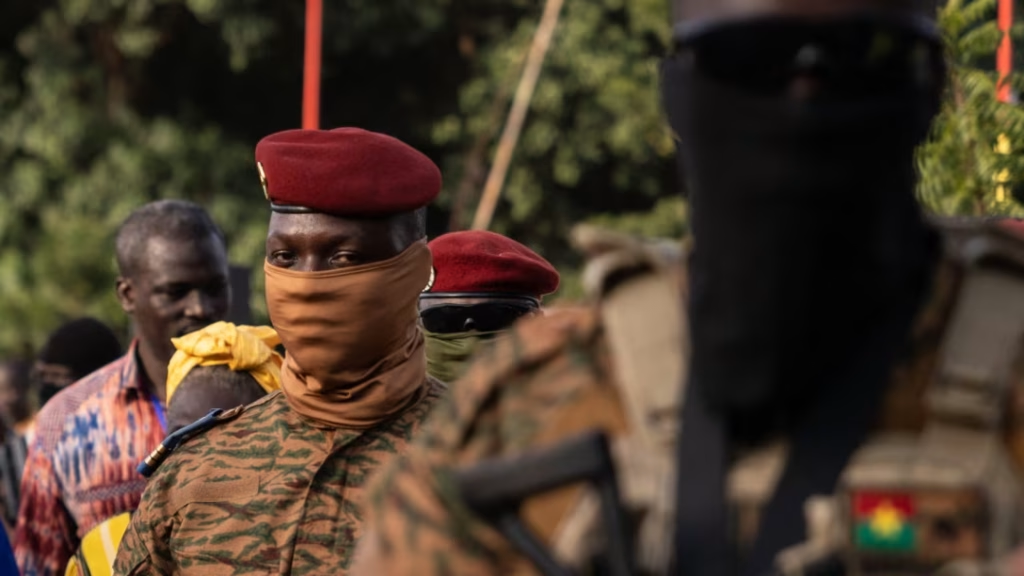
Since the transition of power in July 2023, which saw General Abdourahamane Tiani assume leadership, Niger has shifted toward a policy of strict economic and political sovereignty. This “sovereignty-first” approach has involved a clear distancing from traditional Western military and diplomatic partnerships. Instead, the administration in Niamey has prioritized local autonomy and regional alliances within the Sahel.
The IMF’s decision to move forward with the $91 million disbursement is a significant signal to the global community. It suggests that while political shifts remain a focus of international scrutiny, Niger’s underlying economic fundamentals and commitment to fiscal reform remain a priority for global financial institutions.
The funding acts as a stabilizing force as the government works toward three primary objectives:
- Reinforcing Public Finances: The administration is focused on improving internal revenue collection and implementing more transparent debt management systems.
- Stabilizing the Macro-Economy: Efforts are underway to mitigate inflation and manage currency pressures to protect the purchasing power of citizens.
- Investor Reassurance: By maintaining ties with the IMF, Niger signals to global markets that it remains a viable and disciplined destination for international capital.
Tackling the Climate Crisis in the Sahel
A significant portion of the newly approved $91 million is specifically earmarked for climate resilience. Niger sits at the front lines of the global climate crisis. Like many of its neighbors in the Sahel, the nation faces the dual threat of rapid desertification and increasingly unpredictable weather patterns.
Sustainable development support will focus on modernizing agricultural practices and securing water resources. In a nation where over 80% of the population depends on agriculture and livestock, these investments are not just economic—they are existential.
By investing in drought-resistant crops and advanced irrigation, the government aims to reduce the long-term economic shock of environmental disasters. The goal is to move from reactive crisis management to a proactive, resilient agricultural sector that can withstand the harsh realities of the Saharan climate.
Uranium: The Strategic Leverage
A primary reason for Niger’s continued engagement with international financial bodies is its status as a global titan in uranium production. As one of the world’s leading producers of this radioactive metal, Niger holds a strategic position in the global energy supply chain—particularly as the world shifts toward nuclear power as a “green” energy alternative.
This mineral wealth provides the government in Niamey with significant geopolitical and financial leverage. It ensures that Niger remains a focal point for international financial engagement, regardless of diplomatic realignments. The global demand for energy security means that Niger’s exports are vital, providing a consistent stream of revenue that helps anchor the national budget.
Sahelian Solidarity and the Alliance of Sahel States
The government in Niamey has also doubled down on its cooperation with fellow members of the Alliance of Sahel States (AES). Together with neighboring nations undergoing similar political transitions, Niger is working to build a regional economic bloc. This partnership prioritizes local interests over external influence, aiming to create an integrated market for trade, energy, and security.
This regional solidarity serves as a buffer against individual economic shocks. By presenting a united front to international lenders and trade partners, the AES members believe they can negotiate from a position of greater strength. This shift toward “South-South” cooperation is a hallmark of the Tiani administration’s vision for a more independent West Africa.
Analyzing the 6.7% Growth Forecast
The projected 6.7% growth for 2026 is a testament to the resilience of Niger’s domestic sectors. While the extractives industry (uranium and oil) remains the primary engine, there are signs of diversification. The government’s focus on stabilizing public finances is expected to lower the cost of borrowing for local businesses, sparking growth in the construction and service sectors.
However, economists warn that this growth is contingent on several factors:
- Security Stability: Continued efforts to manage regional insurgencies are vital for trade routes to remain open.
- Infrastructure Investment: The success of the sustainable development goals depends on the completion of key energy and transport projects.
- Global Commodity Prices: Fluctuations in the price of uranium and oil will directly impact the government’s revenue projections.
Conclusion: A Path Toward Self-Reliance
The approval of the $91 million IMF package marks a critical victory for Niger’s economic team. It validates their efforts to stabilize the economy while navigating a complex political transition. With a projected growth of 6.7% on the horizon, the nation is positioning itself as a resilient and strategic player in a volatile region.
While challenges regarding sovereignty and diplomatic relations remain, this infusion of capital provides the necessary “breathing room” to pursue a long-term vision of self-reliance. For the people of Niger, the hope is that these macro-economic wins translate into tangible improvements in food security, education, and infrastructure.
ALSO READ: Digital Migration: UK to Issue eVisas to Nigerian Travelers