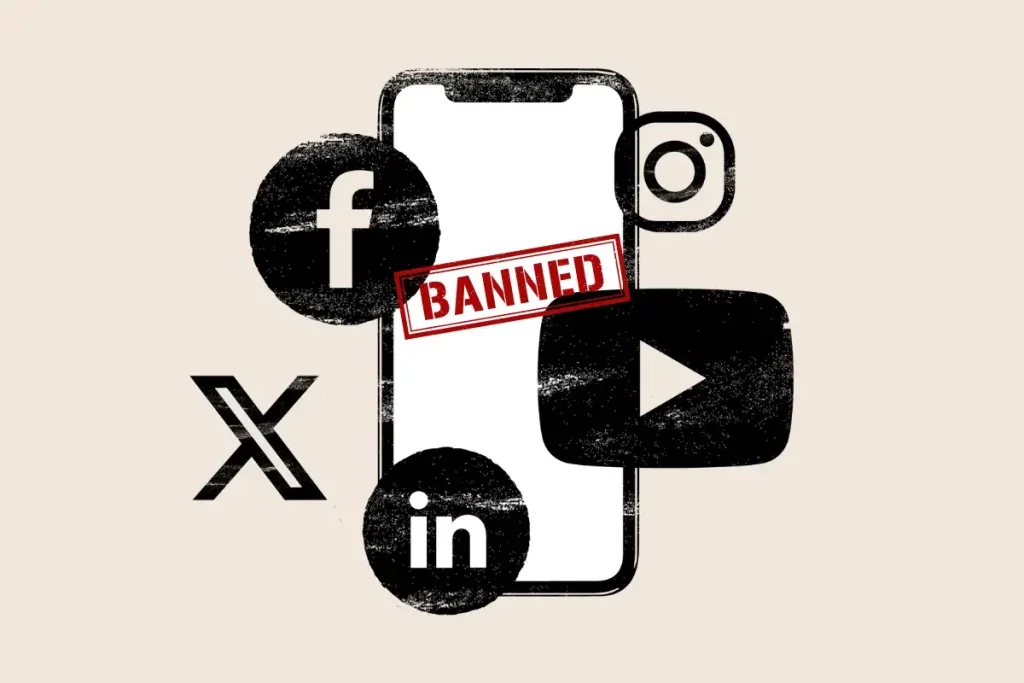
Tensions are mounting in Gabon following the government’s decision to indefinitely suspend major social media platforms. The move has ignited a firestorm of criticism from opposition leaders, digital entrepreneurs, and the broader business community, who argue that the blackout is both unconstitutional and economically damaging.
The High Authority for Communication (HAC) announced the restrictions on Tuesday, February 17, 2026. The regulator cited the need to curb “hateful and defamatory content” that allegedly threatens national security and social cohesion.
Digital Watchdogs Confirm Widespread Restrictions
While the HAC’s initial announcement was broad, independent connectivity monitors have confirmed the scale of the disruption. According to NetBlocks, a global internet watchdog, multiple online platforms began showing restricted access on Wednesday.
The blackout has hit the most popular communication tools in the country, including:
- Messaging: WhatsApp
- Video Sharing: YouTube and TikTok
- Social Networking: Facebook and Instagram
Government Justification: Security vs. Morality
In a televised address, HAC spokesperson Jean-Claude Mendome defended the suspension. He claimed that social media has become a breeding ground for content that undermines “human dignity, public morality, and the honor of citizens.”
Mendome further argued that these digital actions are capable of generating social conflict and destabilizing the Republic’s institutions. He emphasized that the ban is a preemptive measure to protect national unity and democratic progress, though he maintained that “freedom of expression” remains a constitutional right in Gabon.
Opposition Decries “Constitutional Violation”
The response from the political opposition has been swift and fierce. Former Prime Minister and leading opposition figure Alain-Claude Bilie-By-Nze condemned the decision as a disproportionate abuse of power.
“The HAC has absolutely no authority to make such a decision,” Bilie-By-Nze stated. “It is incomprehensible and in direct violation of our Constitution.”
He further highlighted the disconnect between the government’s actions and the country’s economic reality, noting that many young entrepreneurs and Small and Medium Enterprises (SMEs) rely exclusively on these platforms to survive.
Economic Fallout: Small Businesses in the Crosshairs
For Gabon’s burgeoning digital economy, the ban is more than an inconvenience—it is a financial catastrophe. A wide range of businesses, from local restaurants to professional content creators, report that their operations have ground to a halt.
Mister Wils, a prominent Gabonese TikTok creator with nearly 100,000 followers, explained that the ban prevents him from fulfilling international business obligations.
“In Gabon, we already struggle with platform monetization, so private contracts are what allow us to exist,” Wils said. “I can no longer work or honor the agreements I have with partners abroad. This is bad news for my business and many others like it.”
Context: A Wave of Social Unrest
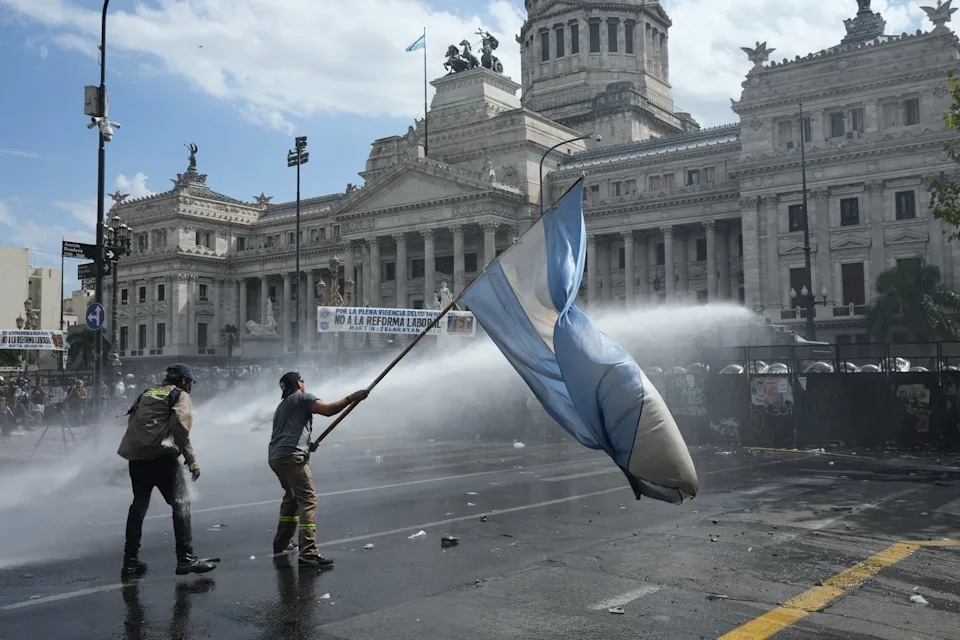
The timing of the digital crackdown coincides with the first significant wave of social unrest facing President Brice Oligui Nguema. Since taking power and promising widespread reform following the end of the Bongo family’s 50-year rule, Nguema is now dealing with:
- Teacher Strikes: Educators have been off the job since December.
- Civil Service Threats: Other public sector workers are threatening to join the strikes over pay and conditions.
Observers suggest the social media ban may be an attempt to disrupt the coordination of these protests and control the national narrative during a period of economic instability.
Conclusion: A Precarious Path for Reform
As the budget remains under pressure and the public demands the reforms promised during the last election cycle, the social media ban has created a new point of friction. For a nation striving for democratic progress, the “indefinite” nature of this restriction remains a significant hurdle for both civic freedom and economic growth.
READ ALSO: Chicago Honors Rev. Jesse Jackson: Civil Rights Icon Dies at 84