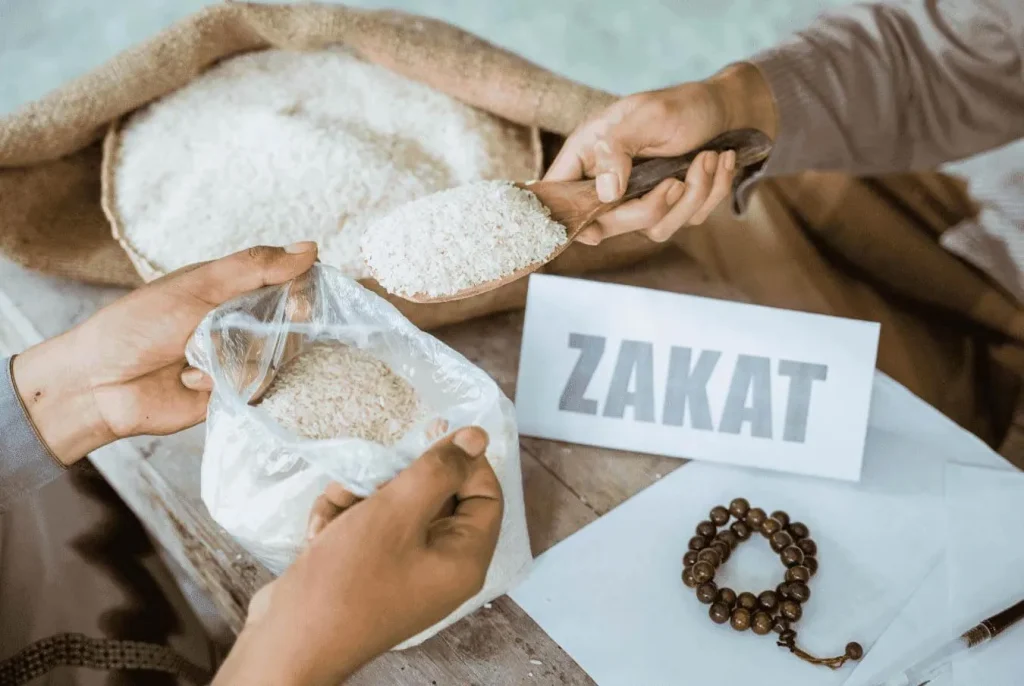
As Muslims globally prepare for the holy month of Ramadan, the Misr ElKheir Foundation in Egypt is scaling up its operations. The charity is working tirelessly to prepare vital aid for citizens living in poverty. By providing food boxes, volunteers hope to alleviate the financial pressure on families currently struggling to afford basic necessities.
The Heart of the Mission: Volunteering for Change
For many, the act of giving is as central to Ramadan as the fast itself. Mariam Zaki, a first-time volunteer with the foundation, shared her motivation for joining the cause. After years of watching the organization distribute aid, she decided to join the team responsible for packing the daily “Ramadan boxes.”
These relief packages are not generic; instead, the contents are adjusted annually to reflect the specific needs of the families receiving them. The goal is to provide a comprehensive set of supplies that brings both happiness and essential nutrition to those in need.
Scaling Aid to Reach Millions
The logistical scale of this charitable endeavor is immense. Hanan el-Derbashy, who leads the solidarity and debtors sector at Misr ElKheir, outlined the ambitious goals set for this year.
The foundation aims to provide food for 7 million people observing the fast. To reach such a significant number, the organization utilizes a complex internal network, including:
- Supply Chain Management: Sourcing and transporting goods.
- Field Offices: Ensuring local distribution is efficient.
- Takaful (Solidarity) Department: Coordinating social support efforts.
- Volunteer Coordination: Managing the workforce required for manual packing.
According to el-Derbashy, planning for this massive campaign begins five to six months in advance. This long-term preparation is essential to meet the high demand during the thirty days of Ramadan.
Economic Hurdles for Cairo Residents
While charity organizations work to fill the gaps, many residents in Cairo are feeling the squeeze of a rising cost of living. Preparing for the holy month is becoming increasingly difficult as inflation impacts traditional customs.
Sameh el-Sheikh, a local resident, explained that maintaining the “Ramadan spirit” for his children is a priority, but financial constraints are forcing compromises. A key example is the purchase of yamish—the traditional assortment of nuts, dates, and dried fruits.
Because prices have soared, many families are purchasing only half of what they typically bought in previous years. This economic reality reflects a broader trend where households must balance cherished traditions with a restricted budget.
The Significance of the Fast
Ramadan remains a period of deep spiritual and social significance. Muslims observe a daily fast from dawn until sunset, a practice that encourages discipline and empathy for the less fortunate.
Beyond the spiritual aspect, the month is defined by community. It traditionally brings friends and families together to share the Iftar meal at sunset.
Despite the economic challenges, the work of organizations like Misr ElKheir ensures that even the most vulnerable can participate in these communal celebrations.
READ ALSO: South Africa to Deploy Army in 10 Days to Fight Organized Crime Surge