In a major move for global security, the United States has frozen the assets of eight Nigerian nationals. These individuals allegedly hold deep ties to Boko Haram and the Islamic State of Iraq and the Levant (ISIL). This enforcement action marks a sharp increase in U.S. counter-terrorism efforts within West Africa.
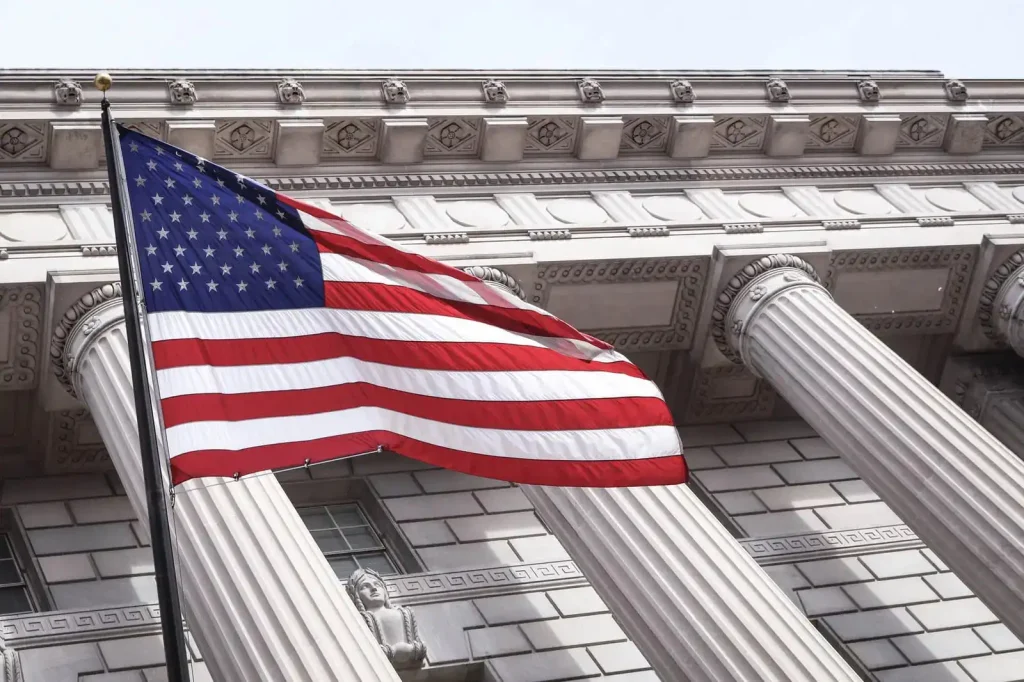
The U.S. Treasury Department’s Office of Foreign Assets Control (OFAC) detailed these measures in a massive 3,000-page report. Released on February 10, 2026, the document serves as the official “Specially Designated Nationals and Blocked Persons List.” It identifies key players whose financial reach threatens international stability. By neutralizing these interests, Washington aims to cripple the logistics of terror and cybercrime.
Key Individuals Under Sanction
The OFAC report provides a detailed look at the suspects. The group includes financial backers, insurgent commanders, and digital threat actors.
Terrorist Financing and Leadership
Many of those listed have long histories of violent activity. Some were involved in a 2022 case in the United Arab Emirates. This case exposed an illicit network that moved money to the Lake Chad Basin.
- Salih Yusuf Adamu (Salihu Yusuf): Born in 1990, Adamu was convicted in the UAE for running a Boko Haram cell. This group attempted to send roughly $782,000 from Dubai to Nigerian insurgents.
- Ibrahim Ali Alhassan: A resident of Abu Dhabi, Alhassan acted as a vital logistical link for Boko Haram.
- Abu Musab Al-Barnawi (Habib Yusuf): A notorious figure in the Northeast, he has led both Boko Haram and ISWAP. His designation targets his role in an insurgency that has claimed thousands of lives.
- Abu Abdullah ibn Umar Al-Barnawi (Ba Idrisa): A Maiduguri-based operative flagged for directing terror activities.
- Abu Bakr ibn Muhammad ibn Ali Al-Mainuki: Identified for operational ties to ISIL, showing how global terror groups have expanded into Nigeria.
Cybercrime and Digital Threats
The U.S. Treasury now looks beyond physical warfare. It increasingly targets digital threats that destabilize modern economies.
- Nnamdi Orson Benson: Targeted under CYBER2 sanctions. Washington remains concerned about digital platforms being used for fraud and terror funding.
- Babestan Oluwole Ademulero: Sanctioned under SDNTK provisions for narcotics and trafficking. Using several aliases, his case suggests a link between organized crime and regional instability.
The Legal Framework: Building a “Financial Cage”
Placing an individual on the Specially Designated Nationals (SDN) list has severe consequences. The legal impact is immediate and worldwide.
How Executive Order 13224 Works
Under this order, all property belonging to these individuals within U.S. jurisdiction is blocked. The specific impacts include:
- Frozen Assets: Bank accounts and investments become completely inaccessible.
- Trade Bans: U.S. citizens and companies cannot do any business with these people.
- Banking Pressure: International banks that help these individuals risk losing their own access to the U.S. financial system.
OFAC calls this list a “reference tool“ for the global public. It creates a financial cage. This prevents money from moving to purchase weapons or pay fighters. It also stops the funding of harmful cyber-attacks.
Geopolitical Tensions and Religious Freedom
These sanctions arrived during a time of high diplomatic tension. Washington and Abuja are currently at odds over internal security. In October 2025, President Donald Trump returned Nigeria to the “Countries of Particular Concern” (CPC) list.
This designation is for nations that tolerate “egregious violations of religious freedom.” U.S. officials are worried about the persecution of Christians. They also cite the government’s inability to stop mass killings in Nigeria’s Middle Belt.
The Recent Sanctions Timeline
- 2013: The U.S. labels Boko Haram a Foreign Terrorist Organization.
- 2020: Nigeria is first placed on the CPC list.
- 2021: The Biden administration removes Nigeria from the list.
- 2025: President Trump restores Nigeria to the religious freedom watchlist.
- 2026: OFAC releases its updated 3,000-page “hardline” document.
Impact on Nigeria’s Security Landscape
The U.S. State Department maintains that Boko Haram remains a primary threat. By hitting their money nodes, the U.S. aims to weaken the insurgency. Targeting people in hubs like the UAE is a key part of this plan.
The inclusion of Nnamdi Orson Benson shows a shift in U.S. strategy. It highlights that cybercrime and terror funding are now inseparable. Terror groups often use digital fraud to raise money anonymously. This makes the “CYBER2” designation a vital tool for 2026.
What This Means for Nigeria
For Nigeria, these sanctions are a double-edged sword. On one hand, U.S. help in blocking terror funds helps national security. On the other hand, the religious freedom watchlist puts huge pressure on the government. Washington wants to see deep reforms in human rights and security policies.
A Unified Front Against Terror
The 2026 OFAC sanctions are more than a list of names. They represent a coordinated attempt to destroy the financial networks of violence. By freezing the assets of these eight people, the U.S. is sending a clear message. There is no safe place for those who fund or lead groups that cause regional chaos.
The world is watching to see how Nigeria responds. This could lead to better cooperation in tracking terror cells. However, it might also strain the relationship between Washington and one of Africa’s most powerful nations.
The Broader Regional Context
Terrorist groups like Boko Haram do not respect borders. They operate across the Lake Chad Basin. This area includes parts of Cameroon, Chad, and Niger. By applying these sanctions, the U.S. Treasury supports the entire region. When money is cut off in Dubai or New York, the effects are felt in the forests of Sambisa.
Furthermore, the U.S. is using advanced data analytics to track these funds. In 2026, the Treasury’s ability to map crypto-wallets and shell companies has improved. This makes it much harder for sanctioned individuals to hide their wealth behind aliases.
Steps for Financial Institutions
Banks in West Africa must now update their compliance software. Any transaction linked to these eight names could lead to massive fines. Compliance officers are currently reviewing the 3,000-page report to ensure they are not accidentally helping “blocked persons.”
Final Thoughts
The road to peace in West Africa is long. Cutting off the money is only one part of the solution. However, it is a necessary part. Without funds, commanders cannot pay their soldiers or buy explosives. Without digital access, cyber-criminals cannot launder their stolen gains.
The U.S. remains committed to this “hardline” approach throughout 2026. As more names are added to the list, the pressure on extremist groups will only grow.
For the citizens of Nigeria and the Lake Chad Basin, these sanctions represent a hope for a more stable and secure future.
MORE NEWS: Global Climate Chief Warns of “New World Disorder” Ahead of COP31
Tunisian Appeal Court Denies Health-Based Release for Jailed Lawyer