As the holy month of Ramadan nears, the residents of Sokoto State are shifting their focus. They are looking toward spiritual renewal and community solidarity. Sokoto is globally recognized as the seat of the Sultan, Muhammadu Sa’ad Abubakar.
Historically, it has been a bastion of peace and Islamic scholarship in Nigeria’s Northwest. However, recent military activity has cast a shadow of concern over this typically serene region.
A Season of Devotion Amidst Unusual Tensions
Ramadan is a sacred period for Muslims worldwide. It is characterized by intense prayer, self-reflection, and fasting. In Nigeria, the Sultan serves as the ultimate spiritual authority. He is responsible for officially announcing the sighting of the new moon. This signal marks the start of 30 days of dawn-to-sunset abstinence.
In the state capital, the atmosphere remains deeply devout. During recent Friday prayers at the Abu Hurairah Central Mosque, the facility was packed. Hundreds of worshippers defied sweltering temperatures to attend. The local imam focused his sermon on brotherhood and charity. He urged the faithful to support one another during these trying times.
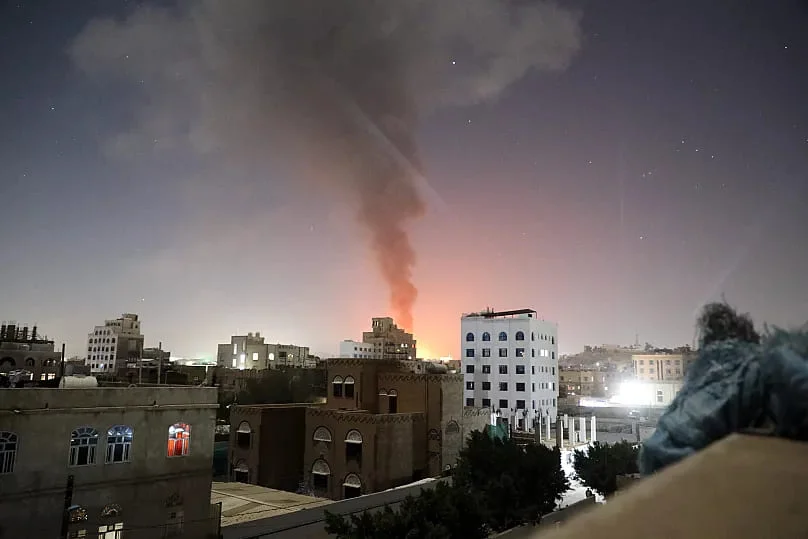
This year’s preparations feel different. The region is still reeling from a rare military intervention. On December 25, the United States conducted targeted airstrikes in the Tangaza district.
This area is roughly 75 kilometers from the city center. Nigerian authorities confirmed the operation aimed to neutralize enclaves linked to the Islamic State (ISIS). For a region that prides itself on stability, this was a jarring wake-up call.
Sokoto’s Resilience Against Rising Insecurity
For decades, Sokoto avoided the violent insurgency that devastated neighboring states. The Christmas Day strikes were a major shift from the state’s historical norm. Residents are now forced to confront a reality previously reserved for more volatile areas.
“It is a new thing in this part of the country to have airstrikes,” noted Ahmad Mustapha, a 37-year-old medical professional. “It only happened once before during the height of previous militant activities. We are simply not used to this.”
Despite the underlying anxiety, the community is embracing cautious optimism. Worshippers believe the sanctity of the holy month will act as a spiritual shield. There is a widespread hope that Ramadan will foster enduring peace. They want to see the total banishment of extremist influences from the region.
Economic Realities and Government Support
While the spiritual focus is high, the economic landscape poses a challenge. Sokoto faces significant financial hurdles. Recent data from the National Bureau of Statistics (NBS) indicates that many in the Northwest live below the poverty line. With inflation affecting food prices, the cost of Iftar (the meal to break the fast) has become a heavy burden.
In response, the state government has launched a support program. Governor Ahmad Aliyu Sokoto coordinated a large-scale distribution effort to help vulnerable households.
Key Government Relief Efforts:
- Essential Food Supplies: The state distributed thousands of bags of maize to meet basic needs.
- Direct Financial Aid: Cash support was given to 1,000 individuals to help them prepare for fasting.
- Targeted Assistance: The Governor pledged ongoing support for families displaced by regional banditry.
While critics say these efforts are small compared to the scale of poverty, the aid is a vital lifeline. It helps families as they enter a month of physical sacrifice.
The Shadow of the Lakurawa Group
Security analysts are closely monitoring the Lakurawa. This is an armed group currently operating within Sokoto’s borders. The presence of this group has complicated the local security narrative. Some researchers suggest the Lakurawa may have links to the Islamic State Sahel Province (ISSP). However, other analysts dispute the depth of these connections.
Regardless of their official ties, the group’s presence has triggered increased military surveillance. To counter the potential for radicalization, the government recently hosted a workshop for religious leaders.
The goal of this initiative is twofold:
- Promote Moderate Teachings: Equipping imams with tools to refute extremist rhetoric.
- Build Community Resilience: Creating a network of leaders to prevent recruitment efforts.
A City in Motion: Markets and Nightlife
Despite headlines about airstrikes, daily life in the state capital remains vibrant. The city’s main market is a hive of activity. Shoppers jostle through heavy traffic to buy dates, grains, and meat. Even at 8:00 pm, the streets of Sokoto are bustling.
Shops remain open late, and the night air is filled with the sounds of community. This “city in motion” reflects a population that refuses to be defined by fear. As the moon sighting draws near, residents are determined to protect their heritage as a peaceful center of Islamic culture.
Conclusion: Protecting a Heritage of Peace
The people of Sokoto stand at a crossroads. They are navigating between a peaceful past and an uncertain security future. By focusing on the core values of Ramadan—charity, patience, and devotion—they seek to reclaim their story. For the “Caliphate State,” the coming weeks are about more than fasting. They are about proving that community bonds are stronger than any external threat.
ALSO READ: Dakar University Suspends Student Unions Following Fatal Campus Unrest