The Moroccan government has unveiled a massive 3 billion dirham ($328 million) emergency intervention program to assist regions devastated by weeks of relentless flooding. On Thursday, February 12, 2026, officials detailed a comprehensive recovery strategy aimed at stabilizing the nation’s agricultural heartland and supporting thousands of displaced families.
The initiative follows direct instructions from King Mohammed VI, who mandated a “broad support program” to address the humanitarian and economic fallout. The catastrophic weather, which began in late January, has transformed once-fertile plains into disaster zones, prompting an unprecedented state-led response.
Defining the Disaster: The Four Stricken Provinces
The government has officially designated four key northern provinces as disaster zones. These areas have borne the brunt of the “exceptional weather conditions” that have swept across the Maghreb over the past month.
The Impacted Regions Include:
- Larache
- Kenitra
- Sidi Kacem
- Sidi Slimane
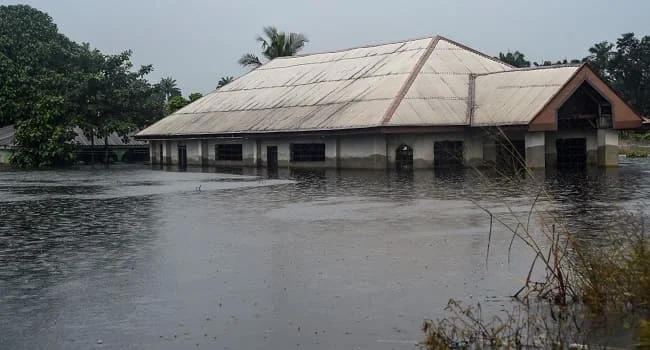
According to official data, the scale of the flooding is staggering. Over 110,000 hectares of farmland are currently underwater. The human toll is equally significant, with nearly 188,000 people displaced from their homes across these four provinces.
A Multi-Pillar Recovery Strategy
The allocated $330 million is not merely for immediate relief; it is structured to facilitate long-term structural recovery. The government statement outlined several priority pillars for the spending:
1. Infrastructure and Housing Restoration
A significant portion of the budget is earmarked for the urgent repair of damaged road networks that have isolated rural communities. Additionally, the funds will finance the refurbishment of flooded residential properties and small businesses, alongside the permanent relocation of households situated in high-risk floodplains.
2. Agricultural Support and Food Security
As the affected regions are vital to Morocco’s food supply, the program targets farmers who have lost entire seasonal harvests. This includes compensation for lost income and the restoration of irrigation infrastructure that was destroyed when riverbanks burst.
3. Humanitarian Aid and Compensation
Beyond physical repairs, the aid will cover the basic daily needs of the displaced population. This includes food security, medical supplies, and financial stipends for families who have seen their livelihoods washed away by the deluge.
The Human Cost of the Deluge
While emergency services carried out thousands of preventive evacuations, the sheer speed of the rising waters led to tragedy. Last weekend, in the Tetouan area, a flash flood swept a vehicle off a road, resulting in four confirmed deaths.
Search and rescue teams continue to scour the area as one passenger remains missing. The tragedy has sparked a national conversation about the necessity of early warning systems and the reinforcement of bridge infrastructure against the increasingly volatile North African climate.
The Economic Blow: Threatened Export Hubs
The flooding is a major blow to the Moroccan economy. The Gharb and Loukkos river basins, which irrigate the four disaster-stricken provinces, are among the most productive agricultural zones in the kingdom.
These basins are the engine of Morocco’s agricultural exports. They house:
- Massive Cereal Farms: Essential for domestic wheat and flour stability.
- Major Export Plantations: Producers of red fruits (strawberries and raspberries), vegetables, and sugar beets destined for European markets.
- Livestock Holdings: Significant dairy and meat production centers that are now facing feed shortages.
The loss of over 100,000 hectares of these crops could lead to a spike in domestic food prices and a temporary dip in export revenues during the first half of 2026.
Climate Context: Two Years of Rain in Thirty Days
The meteorological data behind this crisis is extraordinary. Morocco has spent the better part of the last decade battling severe droughts, but the current season has seen a violent swing to the opposite extreme.
From January 11 to February 11, 2026, water inflows into the region’s basins reached 8.82 billion cubic meters. To put this in perspective, this single month of rain nearly matched the combined total of the previous two years (which saw approximately 9 billion cubic meters).
This “atmospheric river” phenomenon has overwhelmed the nation’s dam systems, many of which were at record lows just months ago. While the water is a welcome reprieve for the country’s long-term reservoirs, the speed of the accumulation has proven destructive rather than restorative.
Conclusion: Resilience and Rebuilding
As the floodwaters begin a slow retreat, the focus in Rabat turns from rescue to reconstruction. The $330 million relief package represents one of the largest localized interventions in recent Moroccan history.
For the farmers of Kenitra and the families of Larache, the path to recovery will be long. However, the government’s swift designation of these areas as disaster zones provides a necessary financial safety net. As the kingdom looks toward the rest of 2026, the priority remains clear: rebuilding the northern agricultural engine and ensuring that such a tragedy is met with even stronger infrastructure in the future.
READ ALSO: Nigeria Senate Approves Live Electronic Publication of Election Results