In the arid heartlands of Kenya, a silent but lethal predator is resurging. Kala-azar, also known as visceral leishmaniasis, is a neglected tropical disease that has recently seen a terrifying spike in infections. Fuelled by the shifting patterns of climate change and crippled by a lack of medical infrastructure, this parasitic disease is pushing marginalized communities to a breaking point.
The Human Toll: A Grandma’s Year of Misery
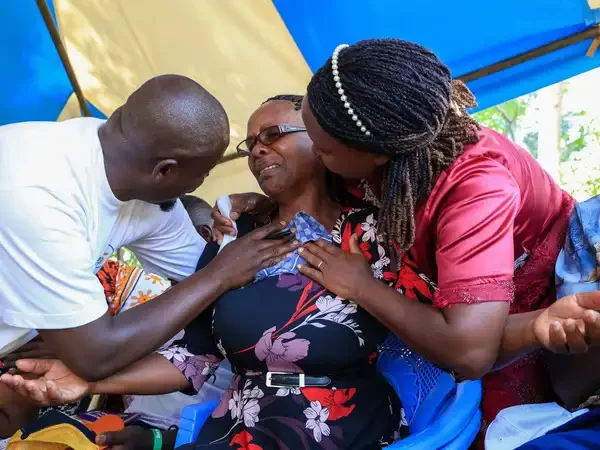
The numbers tell a story of statistics, but the life of Harada Hussein Abdirahman tells the story of the human cost. For nearly a year, the 60-year-old grandmother from Mandera County was misdiagnosed. While herding her livestock, she wasted away, suffering from persistent fever and weight loss.
Initially, doctors suspected common ailments like malaria or dengue fever. By the time the correct diagnosis of kala-azar was reached, Harada had reached her limit. “I thought I was dying,” she recalled. Her experience is not an outlier; in many hotspots, patients must travel hundreds of miles to reach one of the few specialized treatment centers in the country.
The Parasite and its Predator: A Climate-Driven Expansion
Kala-azar is caused by Leishmania parasites, which are transmitted to humans through the bite of an infected female sandfly. These tiny, hairy insects are smaller than mosquitoes but far more dangerous in these regions.
Why the Surge? The “Perfect Storm” of Climate Change
Researchers like Dr. Cherinet Adera from the Drugs for Neglected Diseases Initiative (DNDi) point to a “perfect storm” of environmental factors driving this outbreak:
- The Drought-Rain Cycle: Prolonged, devastating droughts followed by sudden, intense rainfall create ideal breeding grounds. Sandflies shelter in the cracks of sun-baked soil and anthills, multiplying rapidly once the rains arrive.
- Range Expansion: Rising global temperatures are allowing sandflies to survive in regions that were previously too cool, putting “previously untouched” populations at risk.
- Human Settlement: Expanding settlements and migrant work at sites like quarries in Mandera bring humans into closer contact with the flies’ natural habitats at dawn and dusk.
The Fatal Gap: Diagnostic Failures and High Costs
The primary barrier to survival in Kenya remains the diagnostic gap. Because the early symptoms of kala-azar—fever, fatigue, and anaemia—mimic malaria, many patients are treated with the wrong medicine for months.
“Mistakes in testing and treatment can be fatal,” warns Dr. Paul Kibati, a tropical disease expert. “We need facilities to be adequately equipped and personnel to be better trained to spot this neglected killer.”
The Burden of Treatment
Even when a diagnosis is correct, the cure is a marathon. The standard treatment involves 30 days of daily injections and, in severe cases, life-saving blood transfusions.
- The Price Tag: The treatment process can cost upwards of 100,000 Kenyan shillings ($775).
- The Reality: For pastoralist communities living in extreme poverty, this sum is an impossible barrier, often exceeding several years of income.
A Call for Global Action
In 2023, Kenya joined five other African nations in a commitment to eliminate kala-azar by 2030. However, the current 2025/2026 surge highlights how far the continent still has to go.
Without immediate investment in decentralizing treatment centers and providing affordable, rapid diagnostic kits, the death toll will continue to rise.
Kala-azar is a disease of poverty, but its resurgence is a global warning of how climate change can weaponize neglected pathogens. For the families in Mandera, Wajir, and Turkana, the fight is no longer just against a parasite—it is a fight for the right to be seen by the global health community.
READ ALSO: 5 Shocking Reasons Why the U.S.-Iran Talks in Oman Could Fail