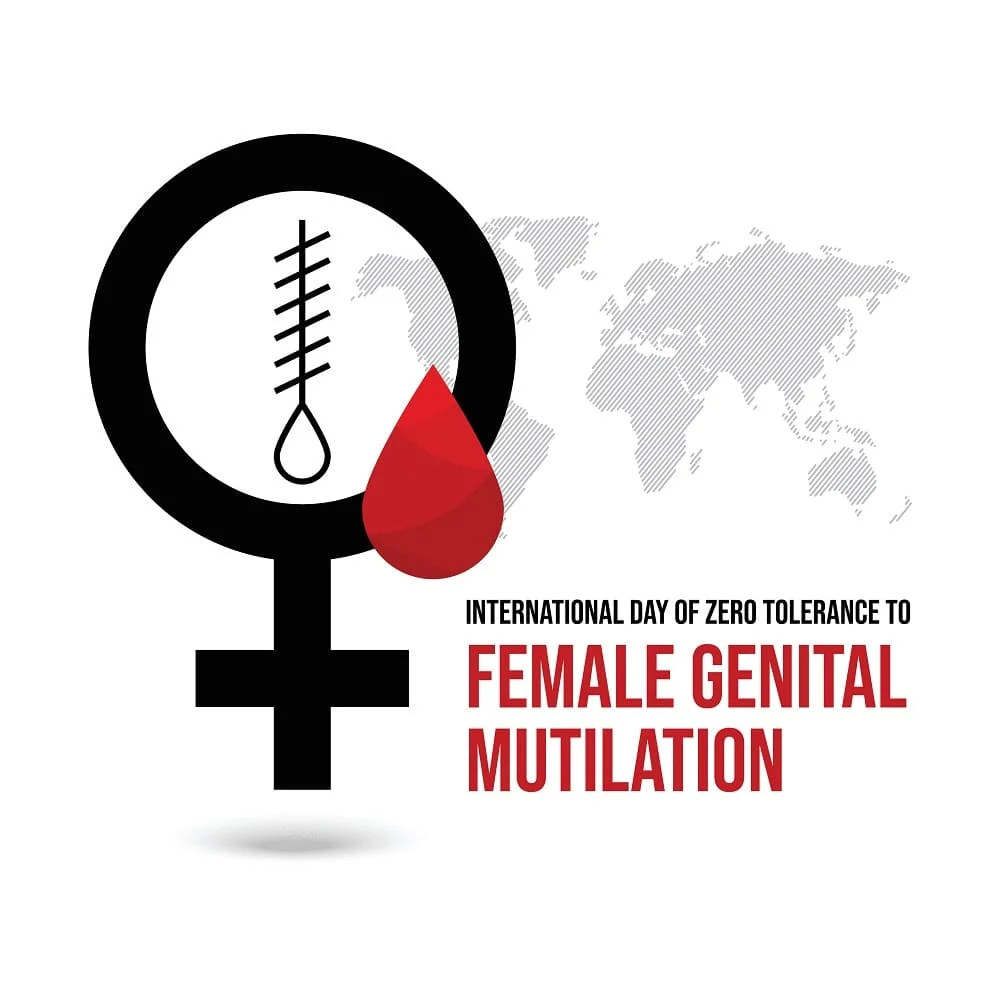
Observed every year on February 6, the International Day of Zero Tolerance for Female Genital Mutilation (FGM) serves as a vital call to action. It is a day dedicated to amplifying survivors’ voices and educating global communities. Furthermore, it urges governments to accelerate efforts to eliminate a practice that violates the fundamental human rights of women and girls.
As we mark this day in 2026, the focus remains on community-led movements. While progress has been made, millions of girls remain at risk. This reality makes the mission for “Zero Tolerance” more critical than ever before.
Understanding FGM: A Grave Violation of Human Rights
Female Genital Mutilation involves the partial or total removal of external female genitalia. It also includes any other injury to the female genital organs for non-medical reasons. Internationally, the world recognizes this as a violation of the health and integrity of girls.
Why Does FGM Persist?
The practice is deeply rooted in complex cultural and social structures. In many societies, people view it as a necessary rite of passage or a prerequisite for marriage. However, it is important to note that FGM has no health benefits. It only serves to cause immediate and long-term physical and psychological harm.
The Devastating Impact on Physical and Mental Health
The consequences of FGM are life-altering. Because practitioners often perform the procedure without anesthesia or sterile tools, the immediate risks are severe.
Short-Term Complications
The immediate physical trauma can be catastrophic. These risks include:
- Severe Pain: Intense trauma during and after the procedure.
- Hemorrhage: Excessive bleeding that can lead to fatal shock.
- Infection: High risk of tetanus and other infections from unsterile equipment.
Long-Term Health Consequences
The damage does not end after the initial healing. Many survivors face:
- Chronic Pain: Ongoing physical discomfort and permanent scarring.
- Obstetric Complications: Increased risk of difficult childbirth and maternal death.
- Psychological Trauma: Long-term anxiety, depression, and Post-Traumatic Stress Disorder (PTSD).
Global Progress and the Ambitious 2030 Goal
The United Nations has set a clear target within the Sustainable Development Goals (SDG 5.3). The goal is to eliminate Female Genital Mutilation entirely by the year 2030.
Over the past three decades, the prevalence of FGM has declined globally. In many countries, younger generations are increasingly being spared from this trauma. This shift is largely due to three key factors:
- Legislative Action: Many nations have passed strict laws criminalizing the practice.
- Public Declarations: Entire villages are publicly pledging to abandon FGM.
- Survivor Advocacy: Brave women are sharing their stories to change the narrative from “tradition” to “trauma.”
The Challenges in 2026: Medicalization and Conflict
Despite these significant wins, two major challenges threaten to stall progress in 2026:
The Medicalization of FGM
In some regions, there is a growing trend of health professionals performing FGM. This is a dangerous shift. It wrongly suggests the practice can be made “safe.” No amount of medical oversight can justify a human rights violation.
Conflict and Humanitarian Crises
In areas facing war or displacement, monitoring systems often break down. Vulnerable girls in refugee camps are at a significantly higher risk. These procedures often happen away from the eyes of authorities and protection services.
How You Can Support the Zero Tolerance Movement
Ending FGM requires a collective effort. This ranges from global policy shifts to local kitchen-table conversations. Here is how real change happens:
- Support Grassroots Organizations: Local NGOs are most effective at changing minds within their own communities.
- Promote Education: Knowledge is the best tool against harmful myths. Sharing information about health risks helps break the cycle of silence.
- Advocate for Law Enforcement: Ensure that existing laws against FGM are not just on the books but are actively enforced to protect children.
Conclusion: A Future Defined by Dignity
The International Day of Zero Tolerance for Female Genital Mutilation reminds us that culture is not static. Traditions that cause harm can—and must—be replaced. We must celebrate practices that protect the health and dignity of women.
By 2030, we envision a world where every girl can grow up free from the threat of mutilation. Today, on February 6, we recommit to that vision. Every girl deserves to own her body and her future.