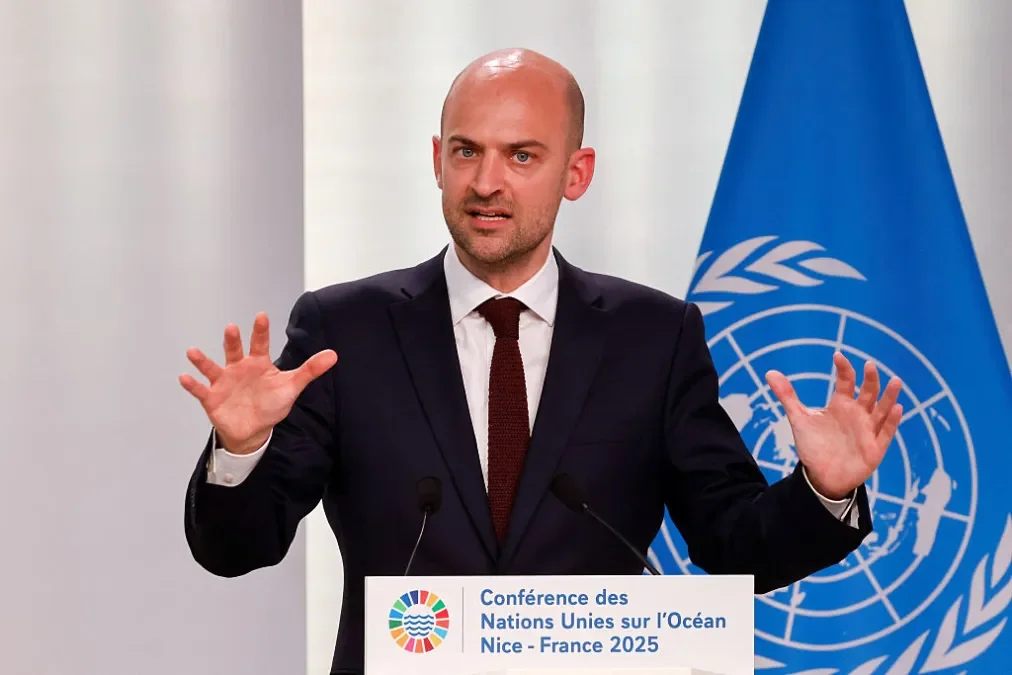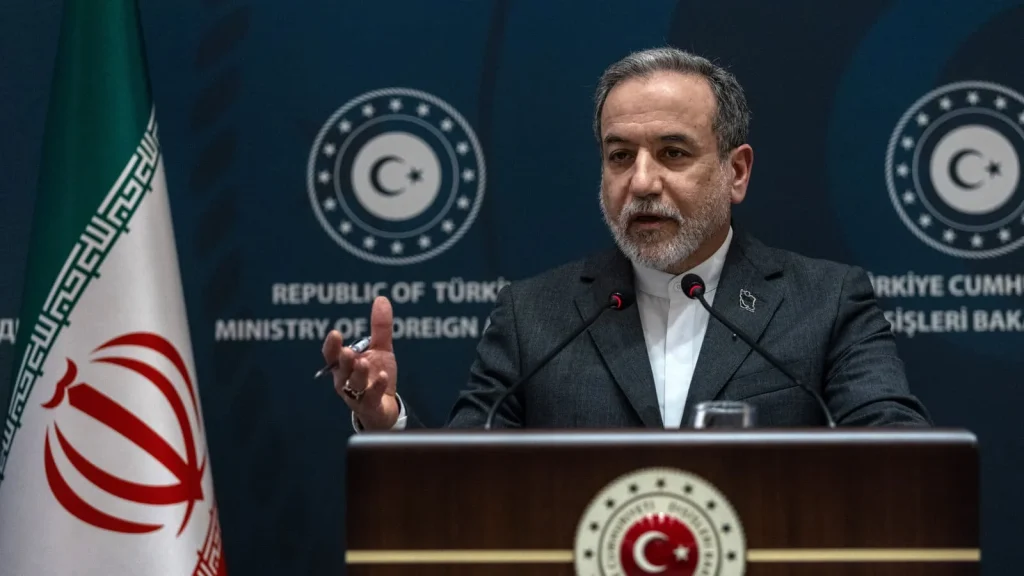
As the sun rises over the Gulf of Oman on this Friday, February 6, 2026, the world is holding its collective breath. In the quiet, high-security halls of Muscat, a high-stakes diplomatic gamble is beginning. For the first time since the devastating military exchanges of June 2025, senior officials from Washington and Tehran are sitting in the same room—or at least the same building.
Leading the American delegation is Steve Witkoff, President Donald Trump’s trusted Middle East envoy, alongside Jared Kushner. On the other side of the table stands Iranian Foreign Minister Abbas Araghchi, a man who has spent the last year justifying his nation’s resilience to the world. While the presence of these two teams in the same city is being hailed by some as a brilliant breakthrough, many veteran analysts are issuing a massive warning. Below are the 5 shocking reasons why the Oman negotiations are teetering on the edge of a tragic collapse.
1. The “Zero Capacity” Ultimatum: An Unbridgeable Gap
The most immediate threat to these talks is the starkly different definitions of “success.” The Trump administration has entered the room with a massive demand: Zero Nuclear Capacity. White House Press Secretary Karoline Leavitt made it clear on Thursday that the U.S. goal is not just to monitor Iran’s program, but to effectively dismantle it entirely.
Washington’s position is that any enrichment capability—even for peaceful purposes—is a precursor to a weapon. Therefore, the “Ultimate Breakthrough” the U.S. seeks is a complete decommissioning of centrifuges and the permanent closure of underground facilities.
Iran, however, views its enrichment program as a sacred national right and a symbol of scientific sovereignty. Araghchi has repeatedly stated that Tehran will not back down on uranium enrichment, which they claim is for medical and energy needs. For the U.S., anything less than a complete shutdown is a failure. For Iran, any agreement that demands a total shutdown is a surrender. When both sides enter a room with non-negotiable “red lines” that overlap, the chance of a remarkable stalemate is nearly 100%.
2. The Haunting Shadow of “Operation Midnight Hammer”
Diplomacy does not happen in a vacuum. These talks are taking place just eight months after Operation Midnight Hammer, the June 2025 joint U.S.-Israeli strike that saw B-2 Spirit bombers “obliterate” Iranian nuclear facilities at Natanz and Fordow.
Araghchi’s pre-talk statement on X (formerly Twitter) was chillingly specific:
“Iran enters diplomacy with open eyes and a steady memory of the past year.”
Tehran feels it is negotiating at the end of a gun barrel. The memory of 125 American and allied aircraft violating their airspace is still fresh. This creates a toxic atmosphere of distrust. Iran is looking for “mutual respect” and “equal standing,” but Washington is currently operating from a position of “maximum military pressure.” History shows that diplomacy rarely survives when one party feels it is being coerced by the recent destruction of its sovereign territory. The psychological weight of the June strikes makes any concession by Iran look like a capitulation under fire.
3. The Agenda Paradox: Nuclear-Only vs. The Big Picture
One of the most shocking reasons these talks are likely to fail is that the two sides aren’t even sure what the scope of the negotiations should be. This “Agenda Paradox” creates a structural flaw that could end the meeting before the first lunch break.
- Iran’s Goal: Tehran moved the talks from Istanbul to Oman specifically to keep the focus strictly on the nuclear program. They are seeking immediate and verifiable sanctions relief in exchange for enhanced IAEA monitoring. To them, this is a technical meeting about atoms.
- The U.S. Goal: Washington wants a “Grand Bargain.” The Trump administration is pushing for a “comprehensive deal” that includes Iran’s ballistic missile program and its regional proxy network (the “Axis of Resistance”).
Iran has labeled its missiles and proxies as “non-negotiable” pillars of its national defense. If the U.S. refuses to discuss the nuclear issue without also addressing these “deterrence” tools, the talks could conclude before they even truly begin. The U.S. views the proxies as the primary source of regional instability, while Iran views them as their only insurance policy against another “Midnight Hammer.”
4. The “Israel Factor” and the Brink of Wider War
While the U.S. and Iran talk in Muscat, a third party looms large over the entire Arabian Peninsula: Israel. Just days before arriving in Oman, Steve Witkoff was in Jerusalem meeting with Prime Minister Benjamin Netanyahu. Israel has already warned that if these talks show any sign of “appeasement,” they reserve the right to act unilaterally to protect their national security.
IRGC (Islamic Revolutionary Guard Corps) commanders have already countered with a terrifying ultimatum: if the U.S. or Israel attacks again, the “Zionist entity” will be the first target. This “proxy pressure” puts the U.S. in a difficult position. If Witkoff offers too much to Tehran to prevent a war, he loses his strategic alliance with Israel. If he offers too little, he risks a regional firestorm that could shut down the Strait of Hormuz and send global oil prices into a catastrophic spiral. The shadow of Israel’s “red lines” significantly limits the room for American maneuverability.
5. Domestic Pressure and the “Maximum Pressure” Legacy
Finally, both leaders are fighting wars at home. President Trump is under immense pressure from his political base to deliver a “victory” that justifies the costs and risks of the June strikes. He cannot afford a “weak” deal that resembles the 2015 JCPOA, which he famously criticized. Anything short of a “Zero Capacity” win will be framed as a failure by his domestic critics.
In Tehran, the leadership is reeling from internal economic struggles and the fallout of the June conflict. The Iranian public is exhausted by sanctions, but the hardliners within the Revolutionary Guard remain influential. If Araghchi returns home with anything less than a massive lifting of sanctions, he risks being viewed as a traitor.
Conclusion: A Remarkable Crisis in the Making
The Oman talks are undoubtedly the ultimate test for modern diplomacy. However, the reality on the ground—and in the air—suggests that the window for a peaceful resolution is closing. With “Zero Capacity” demands on one side and “Red Line” enrichment rights on the other—all against a backdrop of recent aerial bombings—the path to peace is narrower than ever.
As the delegations sit down today, the shocking truth is that both sides might be using these talks not to find a solution, but to create a diplomatic paper trail to justify the inevitable escalation that follows if they fail. For the 2.9 billion people in the Global South and the millions in the Middle East, the failure of these talks wouldn’t just be a diplomatic setback; it could be the spark for a conflict that redefines the 21st century.
READ ALSO: 7 Shocking Reasons Why U.S. Farm Profits Are Stalling in 2026