On Thursday, February 5, 2026, the global security landscape shifted into dangerous and uncharted territory. As the clock struck midnight, the New START treaty officially expired. This agreement was the final remaining pillar of nuclear arms control between the United States and Russia. For the survivors of the 1945 atomic bombings, this is not merely a policy lapse. It is a terrifying step toward a repeat of history.
The expiration marks the first time in over half a century that the world’s two largest nuclear powers are not bound by a bilateral treaty to limit their strategic arsenals. Without the guardrails of the New START treaty, the international community faces the very real prospect of an unconstrained global arms race.
The End of an Era for Nuclear Restraint
The expiration of the treaty follows a high-stakes diplomatic standoff between Washington and Moscow. Russian President Vladimir Putin had previously proposed a one-year extension of the current warhead limits to allow for further negotiations. However, U.S. President Donald Trump chose not to pursue the offer, citing a desire for a broader agreement that includes other emerging powers.
Consequently, the world’s two largest nuclear arsenals are no longer subject to legally binding constraints. Crucially, the mutual inspections and data exchanges that provided transparency between the two nations have also ceased. This “blind spot” in global intelligence significantly increases the risk of miscalculation and accidental escalation.
Terumi Tanaka, the 93-year-old co-chair of Nihon Hidankyo, expressed a grim outlook during a Tokyo press conference. This grassroots organization represents the Hibakusha (atomic bomb survivors). Notably, the group was awarded the Nobel Peace Prize in 2024 for its decades of tireless advocacy. Tanaka warned that the global community has become dangerously desensitized to the looming threat of nuclear conflict.
“Looking at the current state of affairs, I fear that nuclear war is no longer a distant possibility. It is an approaching reality that could lead to total destruction,” Tanaka stated.
The “Great Power” Illusion and the 1945 Reality
Tanaka, a survivor of the Nagasaki bombing, criticized the modern mindset that equates nuclear stockpiles with national prestige. He noted that many citizens in nuclear-armed states today view these weapons as a badge of honor or a necessary proof of global influence.
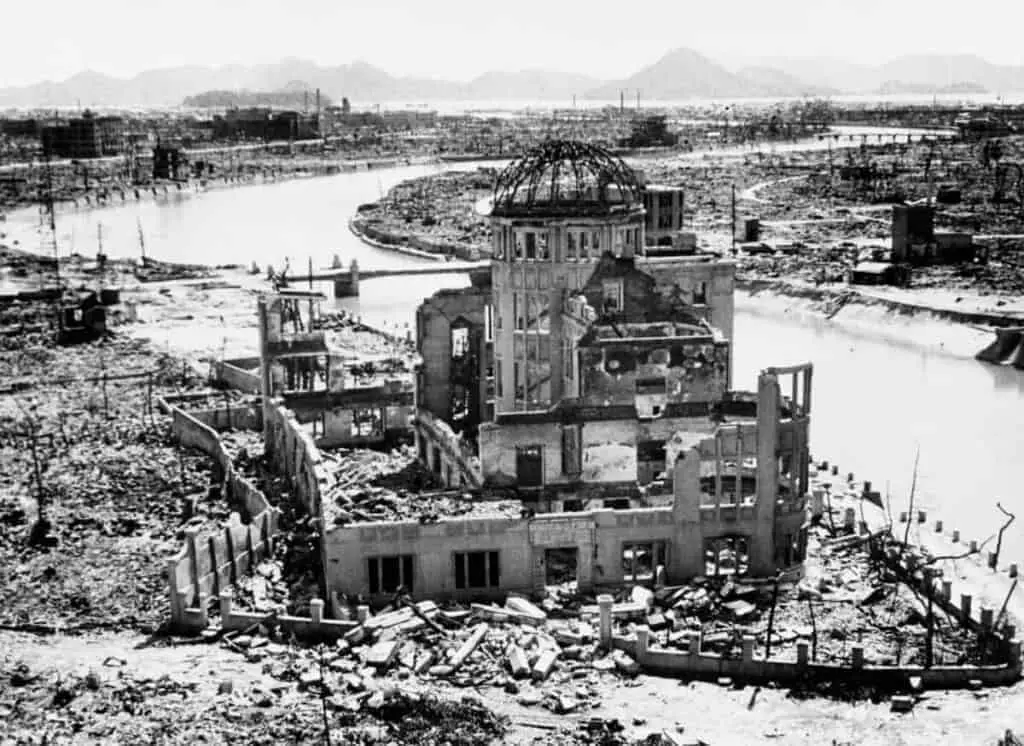
To ground the current debate, it is essential to look at the concrete numbers from the only time these weapons were used in warfare. In August 1945, the human cost was catastrophic:
- Hiroshima: Approximately 140,000 deaths were recorded by the end of 1945.
- Nagasaki: Approximately 74,000 deaths occurred in the immediate aftermath.
- Demographic Impact: The majority of victims were Japanese civilians, though the casualties included thousands of Koreans (who made up roughly 10% of the deaths) and a smaller number of Allied prisoners of war.
- Lingering Effects: Decades later, survivors continue to struggle with chronic health impacts, including significantly higher rates of leukemia and solid cancers due to radiation exposure.
Tanaka emphasized that treating these weapons as a status symbol is a “massive error.” He argued that such pride blinds nations to the humanitarian catastrophe they are currently inviting by allowing treaties to lapse.
ALSO READ: New Zealand’s 2026 Wage Hike: New Minimum Standard Set for April
The Threat of a New Global Arms Race
Global activists are sounding the alarm that the void left by the New START treaty will trigger a “domino effect” of proliferation. While the U.S. and Russia hold the largest stockpiles, there are specific concerns regarding China. Washington has insisted that any future agreements must be trilateral, including Beijing in the dialogue.
However, China has consistently resisted these calls, pointing out that its arsenal—estimated at roughly 500 to 1,000 warheads—is still far smaller than the 5,000+ held by both the U.S. and Russia. Local campaigners in Japan argue that the Tokyo government has been too passive in this regional tension.
Hideo Asano, an activist with the Japan Campaign to Abolish Nuclear Weapons, pointed out that the Japanese government has made no significant effort to initiate arms control discussions within East Asia. He believes Tokyo has failed to effectively engage China to join disarmament efforts, relying instead solely on the U.S. “nuclear umbrella.”
The Official Response from Tokyo
In response to the growing criticism from survivors and activists, the Japanese government maintains that its strategy remains firmly aligned with its primary ally. Deputy Chief Cabinet Secretary Kei Sato addressed the media following the treaty’s expiration.
Sato stated that Japan will “continue working closely with the United States” to establish a new, more comprehensive framework for the 21st century. He reiterated that Tokyo views it as vital to pursue disarmament efforts that involve all major stakeholders—the United States, Russia, and China—to ensure regional and global stability.
Despite these official assurances, the Hibakusha remain unconvinced. For them, the expiration of the New START treaty represents a failure of political will and a disregard for the lessons of the past. As the final survivors of the atomic age enter their 90s, their message is clear: the world is forgetting the horror they witnessed, and the cost of that forgetfulness could be the end of civilization itself.