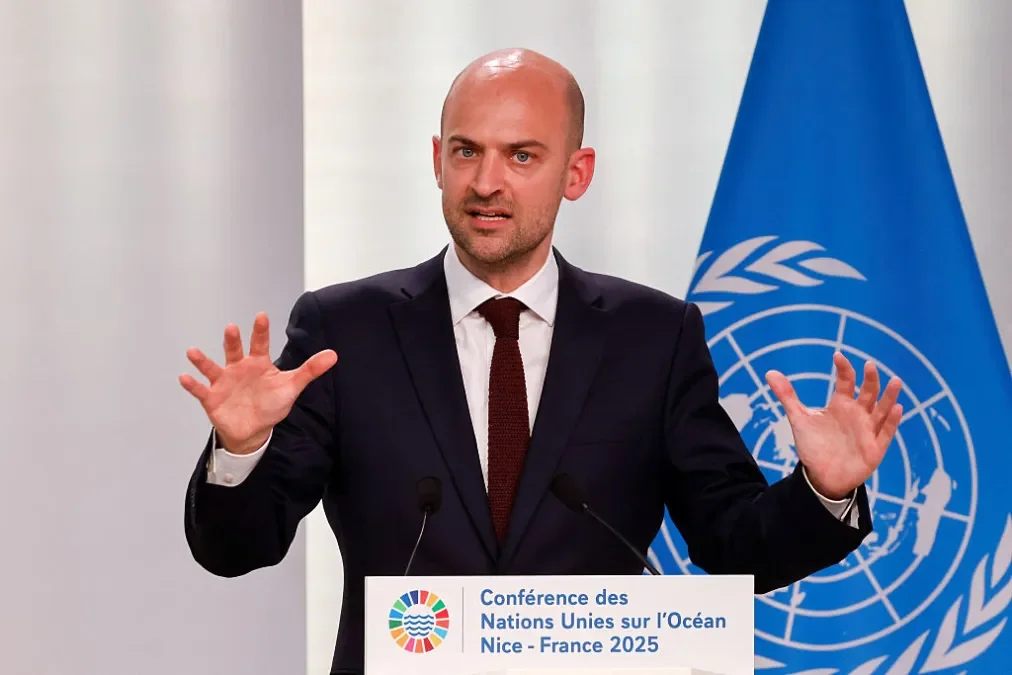
Energy specialist Nick Agule has raised a serious alarm regarding the soaring cost of power in Nigeria. He asserts that electricity is now more affordable in the United Kingdom than in Africa’s most populous nation.
Speaking during a live broadcast on ARISE TV’s The Morning Show on Wednesday, February 4, 2026, Agule challenged the efficiency of Nigeria’s current energy pricing. His comments come as the Federal Government prepares to shift the financial burden of power subsidies to state and local governments.
The Cost Disparity: Paying More for Less
Agule’s most striking claim focuses on the value for money provided to consumers. He highlighted the deep irony of paying a premium for an unstable service in Nigeria compared to the constant supply available in Western markets.
“I pay more for electricity in Nigeria than I pay for constant electricity in the UK,” Agule stated. “Why is the government subsidizing telecom services? And that is where the question is. That’s the real issue.”
Furthermore, he argued that the government is currently “addressing the symptom” rather than the “root cause.” While the state focuses on accumulated debts, the high costs of production and distribution remain ignored.
A Shift to Shared Fiscal Responsibility
Agule’s remarks align with a major policy shift from the Budget Office of the Federation. Starting in 2026, the Federal Government will no longer be the sole provider of electricity subsidies.
The New 2026 Subsidy Model
Under the 2022/2023 Electricity Act, the financial burden will be redistributed across three tiers:
- Federal Contribution: The central government is no longer the exclusive financier.
- State & Local Contribution: These tiers must now contribute via a “first-line charge” from the Federation Account.
- Regulatory Independence: States now possess the legal authority to manage their own internal electricity markets.
Agule expressed support for this decentralization. He noted that if states have the responsibility to create their own markets, they must also participate in the subsidy discussion.
Infrastructure Under Massive Pressure
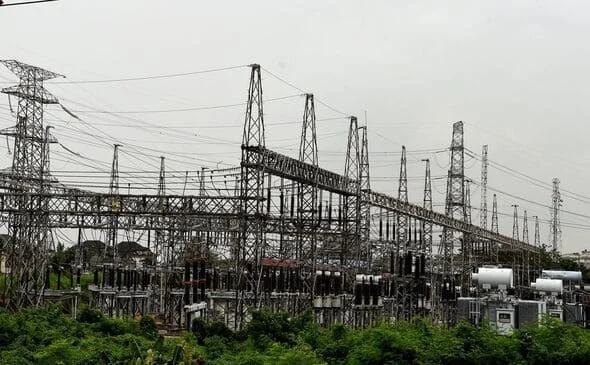
The debate over pricing is intensified by the persistent instability of the national grid. In January 2026 alone, the grid suffered two major collapses within a single week. Consequently, these frequent blackouts have frustrated consumers.
Nigerians are being asked to navigate rising costs while service reliability remains at an all-time low. This creates a double burden: high electricity bills and the high cost of running private generators.
Current Challenges Facing the Sector
- Grid Reliability: Multiple collapses in early 2026 have led to a total loss of productivity for many businesses.
- Subsidy Debt: A projected ₦3.6 trillion deduction over three years will likely reduce the monthly allocations for states and local governments.
- Market Transition: Moving toward state-led markets may lead to localized tariff variations, making power more expensive in certain regions.
- Economic Strain: High costs are placing severe pressure on households and Small and Medium Enterprises (SMEs).
Conclusion: Addressing the Root Cause
While the government views the shared subsidy model as a way to clear a projected ₦6.5 trillion debt, experts remain skeptical. Agule insists that the primary focus must remain on infrastructure integrity.
Without a stable national grid, fiscal restructuring will not solve the fundamental problem. Currently, Nigerians are simply paying more for less, and until the “root cause” of distribution inefficiency is fixed, the energy crisis will likely persist.
Do you feel the ‘value for money’ in your current electricity band, or is the high cost of backup generators making life unsustainable? Share your experience in the comments below!