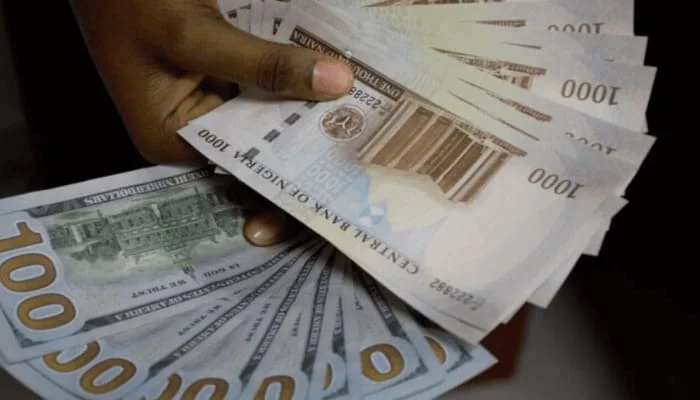
The Nigerian Naira demonstrated notable resilience in the final week of January 2026, gaining significant ground against the United States Dollar in the official foreign exchange market. Data from the Central Bank of Nigeria (CBN) reveals that the official rate—used for corporate payments, medical bills, and school fees—strengthened from a weekly high of N1,422.07/$ to close the month at N1,386.55/$.
This 2.47% appreciation reflects a consistent upward trend that began on January 26. While the week saw early volatility with rates hitting N1,423.50/$, the gap between daily highs and lows narrowed significantly by Friday, signaling a period of relative market stability.
Key Drivers of Currency Stability
Analysts point to a combination of improved liquidity and strategic fiscal buffers as the primary engines behind the Naira’s January performance.
Factors supporting the Naira’s growth include:
- Rising External Reserves: Nigeria’s external reserves climbed by over $687 million in January, reaching an eight-year high of $46.18 billion.
- Increased Inflows: Steady oil receipts and robust remittances from the diaspora have bolstered the CBN’s ability to manage market demand.
- Investment Appetite: Renewed interest from foreign portfolio investors, attracted by high-yield treasury bills and ongoing monetary reforms, has provided a critical dollar cushion.
Parallel Market Trends and the “Tax Scramble”
While the official market strengthened, the parallel market told a more complex story. The Naira appreciated roughly 1.28% in the street market to close near N1,444–N1,460/$. However, a new domestic factor has triggered a temporary surge in dollar demand.
The Impact of New Tax Laws:
Starting January 1, 2026, new regulations under the Nigeria Tax Act 2025 took effect, including a 10% tax on interest earned from foreign-currency (domiciliary) accounts.
“Individuals are converting Naira to Dollars to secure their assets or to avert scrutiny from tax agents,” noted BDC operator Abubakar Muhammed. “People are afraid that authorities could lock or monitor accounts, so they are buying cash dollars to keep aside.”
February Outlook: Volatile but Broadly Stable
Experts at Cowry Assets and AIICO Capital anticipate that the Naira will maintain moderate gains throughout February. The outlook remains “mildly bullish,” supported by steady global oil prices and the decision by the U.S. Federal Reserve to hold interest rates steady.
| Indicator | January Closing | February Projection |
| Official Rate | N1,386.55/$ | N1,350 – N1,400 |
| External Reserves | $46.18 Billion | $47.00 Billion |
| Inflation Pressure | High | Moderating (Imported) |
If the current trend persists, the stronger exchange rate could help dampen inflationary pressures on imported commodities, providing much-needed relief to Nigerian consumers.