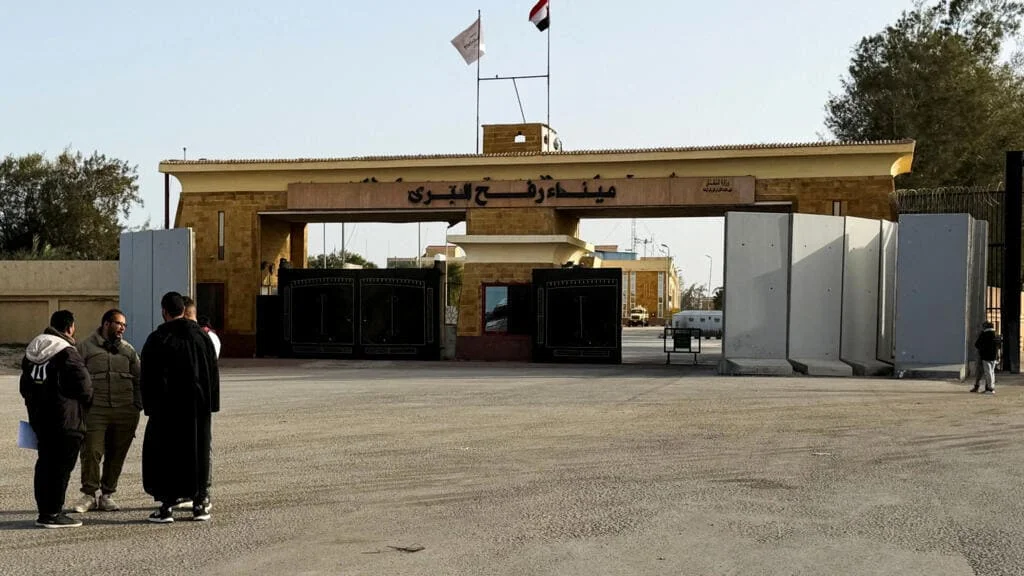
For the first time in several months, the Rafah border crossing between Egypt and the Gaza Strip has partially reopened. This significant move allows a group of Palestinians to finally begin their journey home. On Monday, footage from the border showed a procession of microbuses and ambulances lined up on the Egyptian side. Consequently, this signals the start of a phased return for many displaced and stranded individuals.
This development follows months of intense diplomatic pressure. Furthermore, it serves as a centerpiece for regional stability efforts following the recent cessation of hostilities.
A Managed Return Under Ceasefire Terms
According to security officials from both Egypt and Israel, the reopening is a calculated step. It functions strictly within the current ceasefire framework. To ensure security and order, authorities are implementing a strict limit on the volume of daily traffic.
Initial operational details include:
- Limited Capacity: Approximately 50 Palestinians are authorized to cross in each direction during the first 24 hours.
- Prioritized Entry: The first waves include those currently stranded in Egypt and specific medical cases returning home.
- Security Coordination: Egyptian and Israeli security teams are actively monitoring the reopening to manage the flow of civilians effectively.
Restoring a Vital Lifeline
The Rafah crossing has long served as the primary gateway for Gaza’s population to the outside world. Its closure in May 2024—following the seizure of the crossing by Israeli forces—effectively severed a critical route. This shutdown cut off humanitarian aid and essential medical evacuations.
During the shutdown, thousands of critically ill and wounded residents were unable to seek specialized treatment abroad. While a few patients were evacuated through Israeli territory over the past year, a massive backlog remains. The United Nations reports that thousands still urgently require medical care that is currently unavailable within the Strip.
The Broader Diplomatic Context
The operational status of Rafah was a non-negotiable condition of the U.S.-brokered ceasefire. This agreement successfully ended large-scale combat operations last October. By restoring access to this border, mediators hope to alleviate the ongoing humanitarian crisis and stabilize the region long-term.
As the ceasefire continues to hold, international observers expect the daily quota of travelers to increase. Eventually, this should allow for the consistent flow of commercial goods and humanitarian supplies alongside civilian movement.
READ ALSO: IMF Forecasts Economic Rebound for Bangladesh in FY2026