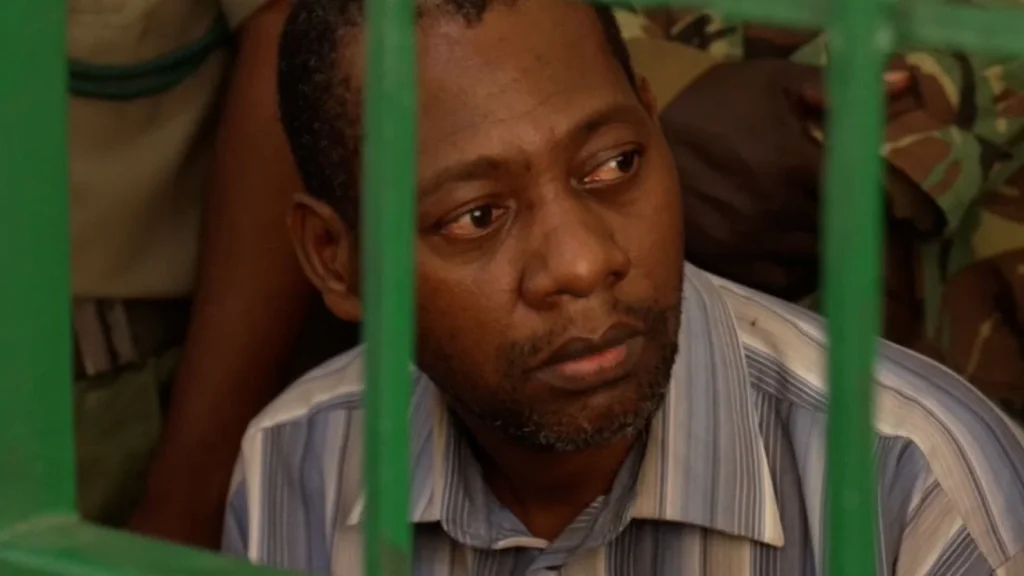
On Monday, Kenyan prosecutors announced that self-proclaimed pastor Paul Mackenzie will face a new round of charges concerning 52 additional deaths. These fatalities occurred at a remote homestead in Binzaro village. Crucially, the discovery suggests his starvation cult continued to operate even after his initial arrest in 2023.
New Evidence: A Mastermind from Prison?
A Malindi court has now authorized the Office of the Director of Public Prosecutions (ODPP) to formally charge Mackenzie and several co-accused individuals.
The new charges include:
- Murder
- Radicalization
- Facilitation of terrorist acts
During the investigation, officials uncovered a chilling detail. Investigators allegedly recovered handwritten notes from Mackenzie’s high-security prison cell. These documents reportedly detail mobile phone transactions. Consequently, authorities suspect he may have masterminded the Binzaro operations while already in custody for the Shakahola Forest Massacre.
The Shakahola Connection
Paul Mackenzie, a former taxi driver, first gained global infamy when the remains of more than 400 followers were discovered in Shakahola Forest. He is currently on trial for multiple counts of manslaughter. Despite the mounting evidence, he has maintained a plea of not guilty.
The Binzaro site is located roughly 20 miles from Shakahola and was discovered last year. Because some remains were buried as recently as seven months ago, local fears have intensified. Many believe the cult’s influence remains active despite Mackenzie’s ongoing legal battles.
The Debate Over Religious Regulation
These recurring tragedies have ignited a fierce national debate in Kenya regarding the regulation of religious organizations.
- Critics’ View: Opponents argue that the government failed to prevent these deaths due to a severe lack of oversight on fringe groups.
- Religious Leaders’ View: Many leaders oppose stricter laws. They cite constitutional protections that ensure the separation of church and state.
While authorities vow to “tame rogue preachers,” the legal process remains complex. Ultimately, the state must find a way to balance public safety with the freedom of worship in the majority-Christian nation.