
The African Union (AU) has officially announced the lifting of all sanctions previously imposed on the Republic of Guinea. This decision follows the conclusion of the country’s presidential election held on December 28, 2025.
The AU had originally penalized the West African nation after a military coup in 2021. However, in a recent statement, the Union praised what it described as “the successful organization” of the polls. The AU further hailed the “positive steps” taken to fulfill the Political Transition Roadmap, which culminated in the return to a formal electoral process.
From Junta Leader to President
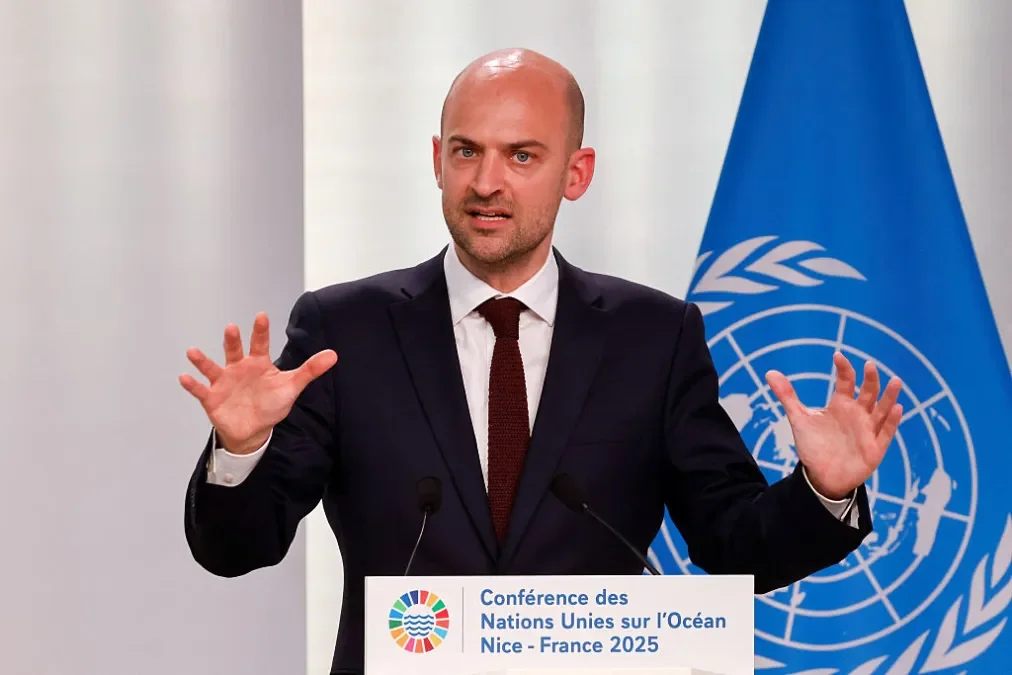
Mamady Doumbouya, the former junta leader who led the 2021 ousting of Guinea’s first freely elected President, Alpha Condé, was the declared winner of the December vote. Following the AU’s congratulatory message, Doumbouya was officially sworn in as President on Saturday before a massive crowd of supporters.
Opposition Labels Election a “Charade”
While the African Union has moved to normalize relations, the domestic political atmosphere remains deeply divided. Several groups have expressed strong disapproval of the electoral process:
- Civil Society Concerns: Pro-civilian rule advocacy groups have denounced the election as a “charade.” They argue that the transition did not authentically represent the will of the people.
- Allegations of Fraud: Opposition candidates have challenged the results, claiming that the polling process was rife with irregularities and lacked transparency.
- Restricted Liberties: Critics point out that under Doumbouya’s interim rule, there has been a significant clampdown on civil freedoms. Protests were banned, and several political rivals were reportedly arrested, tried, or forced into exile.
The Road Ahead for Guinea
The lifting of sanctions marks a pivotal moment for Guinea’s international standing and its economy. By re-entering the African Union’s good graces, the new administration gains access to regional diplomatic channels and financial cooperation.
However, observers remain cautious. The transition from a military-led junta to a civilian presidency will be closely watched to see if the promised democratic reforms are genuinely implemented or if the restrictive environment of the past few years will persist.
Does the African Union’s endorsement of the Guinea election help or hinder democracy in West Africa? Share your thoughts in the comments below!