
European travelers faced a pivotal moment on Wednesday regarding their rights to reimbursement. The European Parliament voted decisively to uphold the current three-hour threshold for EU flight compensation.
This decision directly challenges a push by EU member states to weaken existing protections. Consequently, the stage is now set for a tense legislative showdown between Parliament and national governments.
The vote brings a decade-old proposal from the European Commission back into the spotlight. However, months of difficult negotiations lie ahead before these updates become law.
The Battle Over Timings and Payouts
At the core of the dispute is a disagreement over when airlines must pay up. Currently, passengers can claim cash if a flight arrives more than three hours late.
Member states are lobbying to relax this rule. Last year, they agreed to push the trigger point to four hours for short-haul trips. Additionally, they aim to cap the maximum payout at €500.
Parliament rejected this rollback. Instead, lawmakers are demanding:
- Stricter Timelines: Maintaining the three-hour cutoff.
- Higher Payouts: Increasing compensation to a range between €300 and €600.
This position defends the 2004 standards. Under current rules, delays over three hours trigger a minimum payment of €250, which scales up based on flight distance.
New Luggage Rules: A Double-Edged Sword?
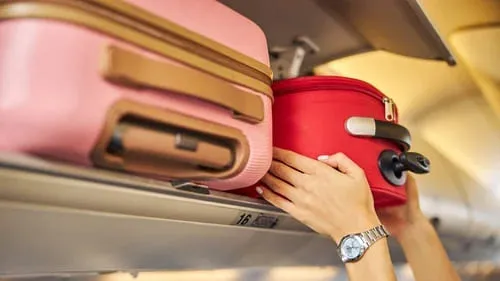
Beyond the EU flight compensation debate, the Parliament approved measures to standardize carry-on bags. This move guarantees every passenger one free cabin bag.
However, the fine print creates a potential downgrade for some travelers. The proposed standard sets a weight limit of 7 kilograms (15 lbs).
While this ensures consistency, it is stricter than current policies. Many budget carriers currently allow up to 10kg. Therefore, a “standardized” right could inadvertently reduce luggage allowance for millions of flyers.
Consensus on Family Seating
Despite the friction over money and bags, lawmakers and member states agree on other key protections. Both sides support new mandates for seating arrangements.
Airlines will be required to seat adults next to accompanying children at no extra cost. This rule also applies to passengers assisting persons with limited mobility.
Furthermore, the updates aim to simplify the claims process. The goal is to make it easier for passengers to enforce their rights across the entire bloc without legal hurdles.
______________________________________________________________________________________________________________________________