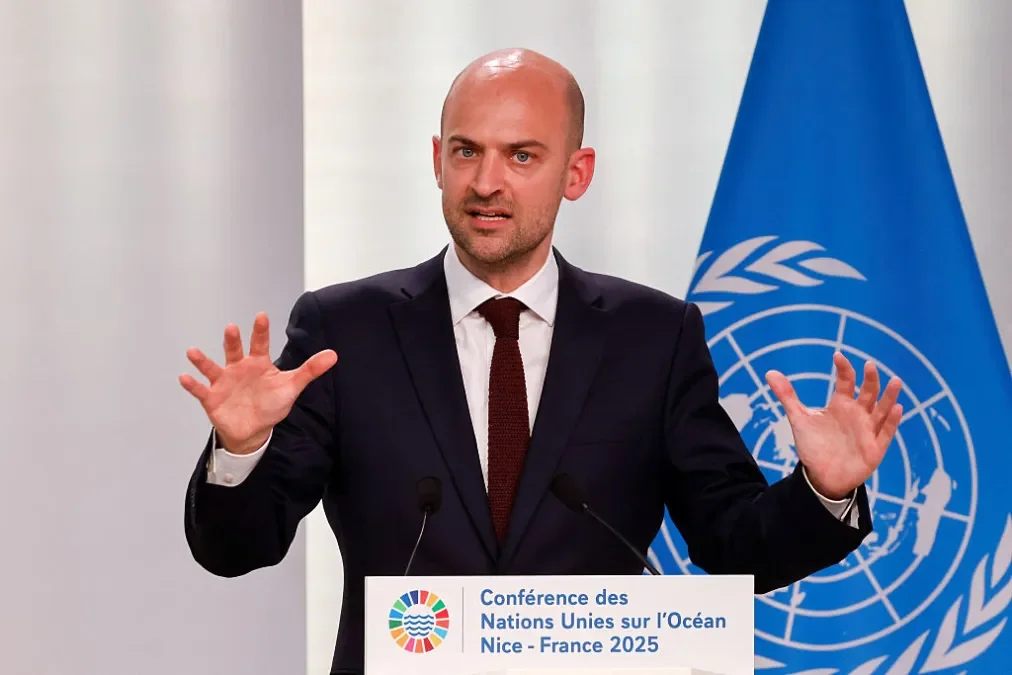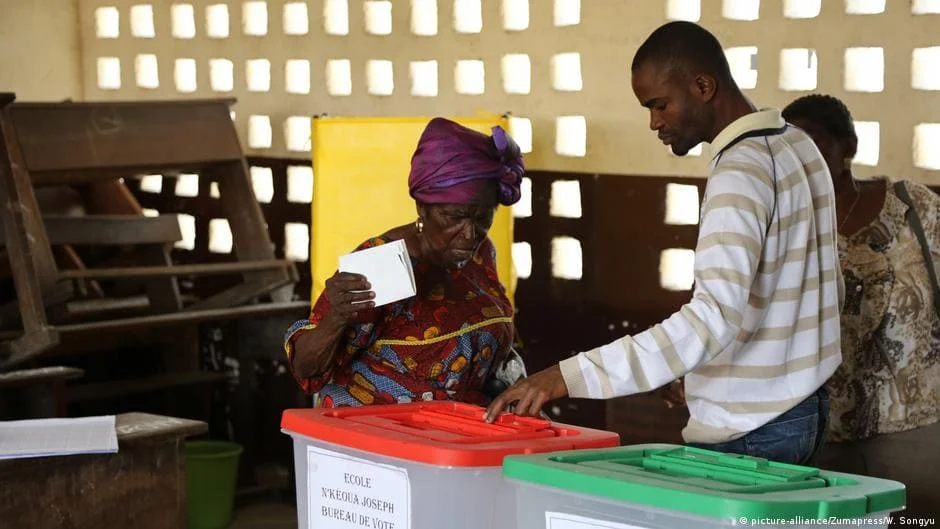
The Congolese government has officially set March 15 as the date for the nation’s upcoming presidential election. Government spokesperson Thierry Moungalla confirmed the schedule following a cabinet announcement this week.
Under the national Constitution, the presidential vote must occur between 30 and 40 days prior to the expiration of the current leader’s term. Because President Denis Sassou-Nguesso was most recently sworn in on April 16, 2021, the March date aligns perfectly with these legal requirements.
Candidates and Early Nominations
Although the electoral administration has not yet finalized the deadlines for official submissions, the political field is already taking shape. Several key figures are expected to contest the seat:
- Denis Sassou-Nguesso: The Congolese Labour Party (PCT) has already formally nominated the incumbent president as its candidate.
- Frédéric Bintsamou (Pastor Ntumi): This former rebel leader is currently considered a likely contender for the opposition.
- Dave Mafoula: Known for being the youngest candidate in the previous election cycle, Mafoula is also expected to run again.
A Legacy of Power and Conflict
President Sassou-Nguesso’s tenure is notably one of the longest in the region. He first assumed power in 1979 and held the office until 1992. At that time, he lost to Pascal Lissouba in the country’s first multi-party elections.
However, this brief period of peaceful democratic transition ended abruptly in 1997. Sassou-Nguesso returned to power following a civil war against Lissouba’s forces. Later, in 2015, the President successfully oversaw constitutional changes. These amendments eliminated the two-term limit, thereby allowing him to maintain his position.
Ongoing Legal Scrutiny
Beyond domestic politics, the Congolese administration continues to face international legal challenges. Specifically, a high-profile investigation in France has targeted individuals close to the President since 2017.
The “ill-gotten gains” case involves serious allegations of “laundering public funds.” Furthermore, the probe has scrutinized the ruling families of neighboring Gabon and Equatorial Guinea. Despite these investigations, the PCT maintains strong support for Sassou-Nguesso as he prepares for the March 15 poll.