A catastrophic reversal of fortune strikes southeastern Africa.
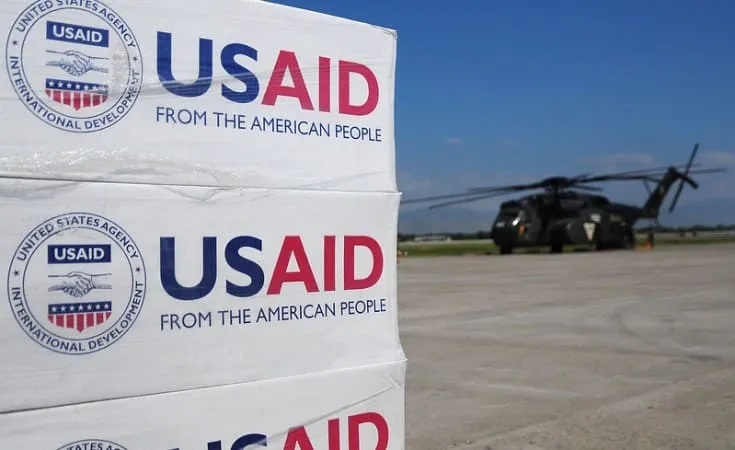
Twelve months after international donors slashed financial support, the Malawi health crisis has reached a breaking point. The sudden withdrawal of funds dismantled twenty years of hard-won progress against deadly diseases like malaria, tuberculosis, and HIV/AIDS.
Consequently, millions of vulnerable citizens now face a future where basic medical survival remains uncertain.
HIV Patients Face Abuse and Shortages
Observers see the most immediate impact among the nation’s one million HIV-positive residents. Previously, global initiatives such as PEPFAR subsidized nearly 60% of treatment costs. However, that safety net vanished.
Budget cuts drove patients out of specialized care and into overwhelmed public hospitals. Reports confirm that facilities frequently run out of antiretroviral drugs. Furthermore, the environment in these centers has turned hostile.
Many seekers of care now endure verbal abuse and deep stigma. One resident from Mzuzu characterized the humiliation at government clinics as a “death sentence.”
Rural Clinics and the Malawi Health Crisis
The collapse hits remote areas equally hard. The Family Planning Association of Malawi (FPAM) shuttered its mobile outreach units. For years, these roving clinics served as the only source of medical aid for isolated villages.
The vacuum left by their departure triggered alarming social consequences:
- Surge in Teen Pregnancy: Unplanned pregnancies skyrocketed without access to contraceptives.
- Education Gap: Teenage girls abandon school at unprecedented rates.
Local witness Maureen Maseko highlighted the speed of this regression. “In my village alone, I know 25 girls who got pregnant once the clinics disappeared,” Maseko stated.
A Global Warning
This emergency represents more than an isolated incident. Experts view the situation in Malawi as a grim case study of a worldwide trend. The retraction of major aid packages causes hundreds of thousands of preventable deaths globally.
Analysts warn that children suffer the most. Unless donors secure new funding streams immediately, the region risks sliding back to mortality statistics from the early 2000s.
__________________________________________________