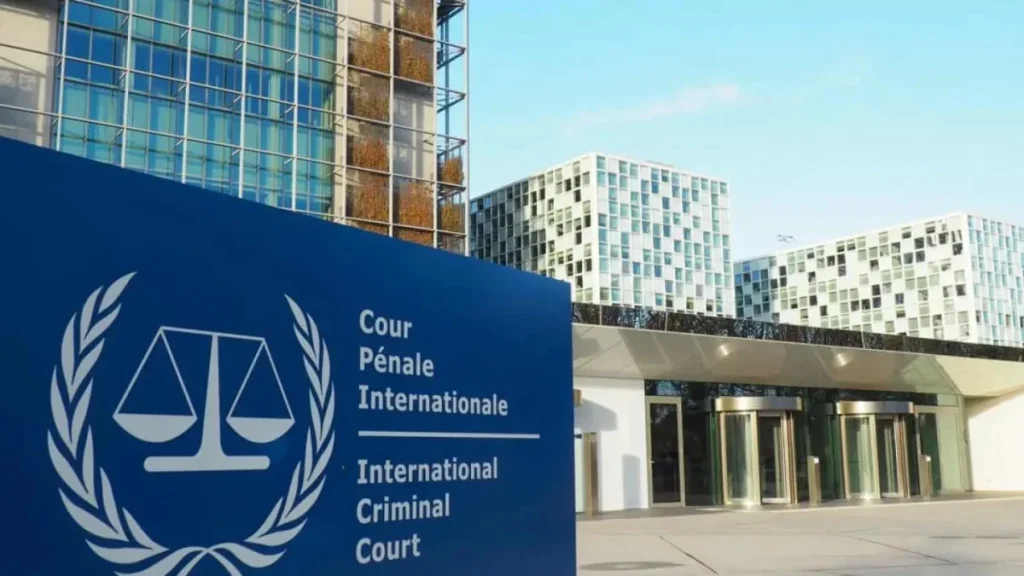
The International Criminal Court (ICC) has issued a grim assessment of the escalating violence in Sudan, labeling the Darfur region as the epicenter of a humanitarian catastrophe.
During a briefing to the United Nations Security Council on Monday, Deputy Prosecutor Nazhat Shameem Khan reported that civilians are enduring “collective torture.” This surge in violence comes as the war between rival military factions continues to expand across the nation.
Evidence of Systematic Atrocities in Al-Fasher
The conflict, which began in April 2023, pits the Sudanese national army against the paramilitary Rapid Support Forces (RSF). According to Khan, the recent capture of al-Fasher by the RSF has triggered a “calculated campaign” of extreme suffering, specifically targeting non-Arab communities.
The ICC office has documented several grave violations in the region, including:
-
Mass Executions and Graves: Reports of large-scale killings and the discovery of mass burial sites.
-
Sexual Violence: Widespread incidents of rape used as a tool of war.
-
Digital Documentation: Khan noted that many of these crimes have been filmed and even celebrated by the perpetrators themselves.
Consequently, the prosecutor’s office has concluded that war crimes and crimes against humanity are currently being committed in al-Fasher. Khan warned that this cycle of criminality will likely persist until the prevailing sense of “impunity” is dismantled.
A Call for International Cooperation
The ICC emphasized that addressing the scale of the crisis requires a unified global response. Specifically, Khan urged the Sudanese government to take decisive action to arrest individuals currently in the country who are subject to ICC warrants.
Claims of Foreign Interference
The Sudanese Ambassador to the UN, Ammar Mohammed Mahmoud, responded to the briefing by shifting focus toward external actors. He argued that the atrocities committed by the “militia” would not be possible without significant outside sponsorship.
Although he did not name the country, Mahmoud pointed to a specific state providing the following support:
- Financial and military aid.
- Logistical and political backing.
- Media and propaganda assistance.
Furthermore, the ambassador insisted that the ICC’s investigations should extend to any parties proven to have colluded with or supported the militia groups.
The Broader Context of the Civil War
The United Nations has frequently highlighted the role of foreign intervention on both sides of the Sudanese civil war. In September of last year, a UN Human Rights Council report accused both the RSF and the national military of committing human rights violations and war crimes.
As the conflict enters its third year, the international community remains under pressure to halt the violence and hold those responsible for these documented atrocities accountable.