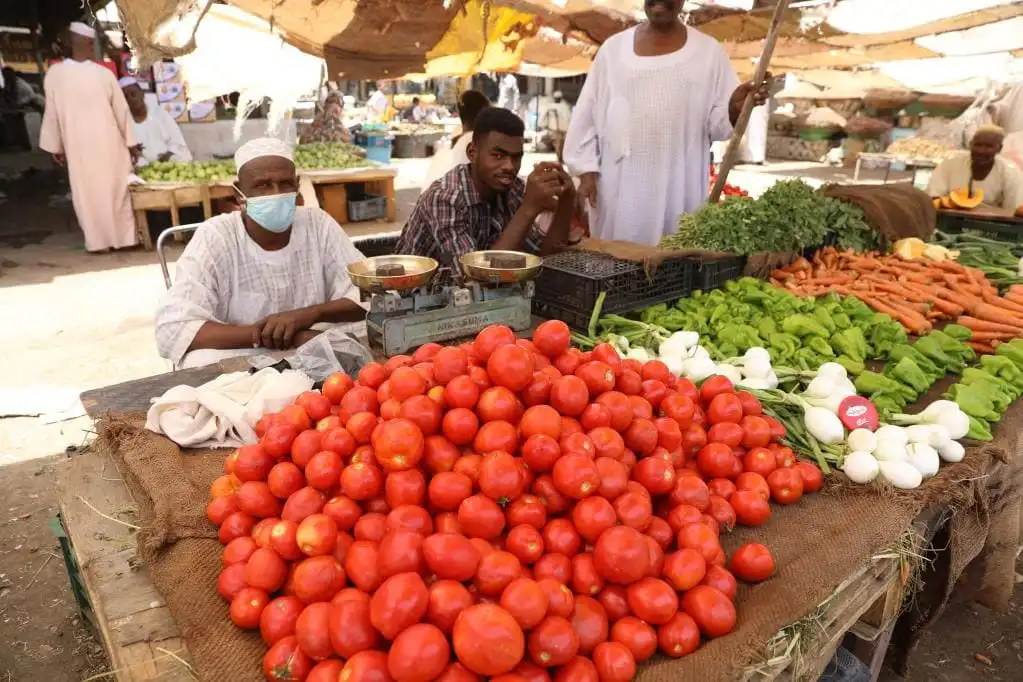
The guns have largely fallen silent in downtown Khartoum, but a new battle for economic survival has begun. Following the expulsion of the Rapid Support Forces (RSF) by the national army in March 2024, vendors are cautiously returning to the city center.
However, the reopening of the Khartoum market has exposed a harsh reality. While physical safety has improved, financial stability remains out of reach for most merchants and shoppers.
Logistics Strangle the Supply Chain
The primary antagonist is no longer the paramilitary fighter, but the cost of transport. Profiting has become nearly impossible despite the cessation of active combat in the district.
Merchants face a gauntlet of logistical hurdles to bring goods from rural farms to urban stalls. Drivers must navigate hazardous routes plagued by insecurity, leading to exorbitant transit fees. Consequently, these costs are transferred directly to the consumer.
Local trader Hashim Mohamed highlighted the direct correlation between road safety and food affordability.
“If transportation fees were reduced and security on the roads increased, prices would decrease,” Mohamed noted.
Currency Collapse Impacts Khartoum Market
Beyond logistics, the macro-economic picture is bleak. The Khartoum market is operating within a financial ecosystem that has effectively crashed.
The devaluation of the national currency offers a stark illustration of the crisis:
- Pre-Conflict (Early 2023): 570 Sudanese Pounds to $1 USD.
- Current Rate (January 2026): 3,500 Sudanese Pounds to $1 USD.
This hyperinflation has dried up liquidity. Business owners are struggling to find labor or afford the capital necessary to restock their shelves.
A Shadow of Former Glory
Despite the grim economic indicators, the current atmosphere is an improvement over the occupation by the RSF. The downtown area was a primary battlefield when the war erupted in April 2023.
Vendor Adam Hammad observed that the situation has stabilized relative to the chaos of the previous years. However, he emphasized that the market is missing the resources and financial flow necessary to thrive.
The Wider Humanitarian Context
The United Nations continues to classify the situation in Sudan as the world’s most severe humanitarian crisis. Millions remain displaced, and the death toll continues to rise.
For the Khartoum market to truly recover, military control is not enough. The stabilization of the Sudanese Pound and the securing of trade corridors are now the critical prerequisites for preventing long-term economic collapse.