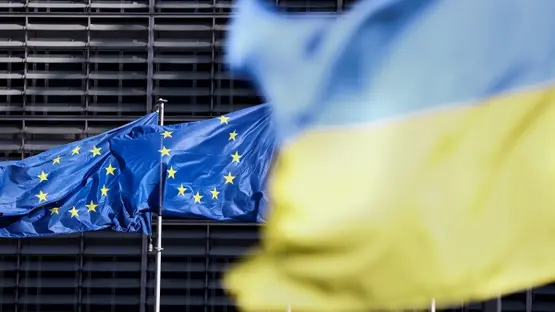
European officials are engineering a historic break from protocol to lock Kyiv into the West.
In a bid to expedite a ceasefire with Russia, Brussels is actively considering a “reversed” accession model. This strategy prioritizes immediate political integration over regulatory perfection. Consequently, the proposal positions Ukraine EU membership as a central pillar of any future peace agreement.
The urgency of the four-year war has shattered the bloc’s traditional rigidity. Executives now view membership not merely as an economic milestone, but as a critical security guarantee.
Flipping the Accession Script
Under current rules, candidates face a grueling, merit-based process. They must align their laws with EU standards before crossing the threshold.
However, this new blueprint turns that timeline on its head.
The “reversed” model grants Kyiv official status within the union immediately. Yet, full privileges would come later. While Ukraine would sit at the table, it would need to earn specific rights—such as voting power—over a “staged access” period while implementing reforms.
“We have to recognise that we are in a very different reality than when the (accession) rules were first drawn up,” one EU official explained.
A Bargaining Chip for Peace
This diplomatic maneuver is designed to make a difficult settlement palatable.
Diplomats indicate that if Kyiv is forced to make territorial concessions to end the war, immediate EU status could soften the blow for the Ukrainian public. A concrete commitment from Brussels offers a tangible future, potentially swaying voters in a post-war referendum.
“It is Europe’s interest to have Ukraine in the EU, because of our own security,” an EU diplomat noted.
Obstacles to Ukraine EU Membership
Despite the strategic value, the path forward is riddled with political landmines.
Changing the accession framework requires unanimous consent from all 27 member states and their national parliaments. Furthermore, many diplomats view the proposed 2027 target date as overly ambitious.
There is also the question of fairness. Nations like Albania and Montenegro have spent decades adhering to the traditional, slower route. Changing the rules for one candidate risks alienating others.
“It will be a hard sell,” a second EU official admitted. “It also has an impact on countries that have gone the good old traditional way and are close to accession after doing all the homework.”
Nevertheless, the mere existence of this proposal signals a paradigm shift. Brussels appears willing to sacrifice bureaucratic tradition to secure geopolitical stability.
__________________________________________________
Chad Issues “Final Warning” After 7 Soldiers Killed in Border Skirmish