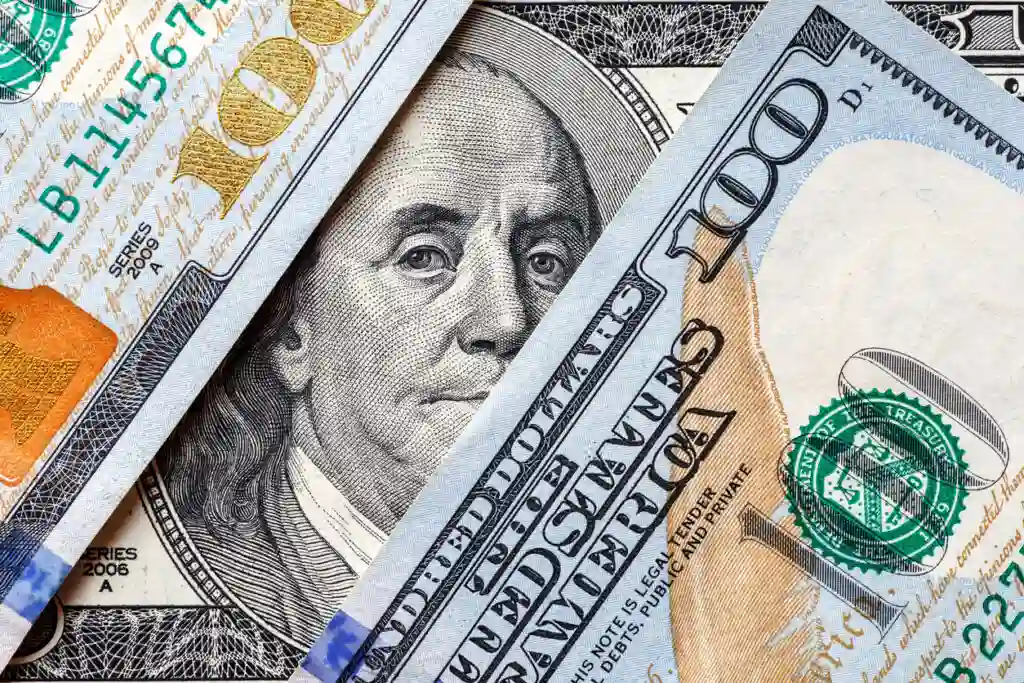
The US dollar gained traction on Tuesday, climbing against major rivals as traders turned their attention to domestic economic health. Despite potential instability following the recent capture of Venezuelan President Nicolas Maduro, markets remained calm.
Instead of seeking safe-haven assets, investors are positioning themselves for a critical influx of labor statistics due later this week.
Consequently, the dollar index rose 0.19 percent to 98.57. This metric tracks the currency’s performance against a basket of six global peers.
Geopolitical Shocks Fail to Rattle Markets
The arrest of Maduro over the weekend was expected to trigger volatility. However, the currency markets have largely shrugged off the event.
Amo Sahota, director at Klarity FX, observed that the usual “risk-off” behavior is notably absent.
“The primary focus has been how the market would initially react to the Venezuela news… but we are not seeing any risk-off sentiment in the marketplace,” Sahota stated.
He added that investors view the situation as contained. As a result, the spotlight has shifted back to fundamental drivers, specifically the “data vacuum” left by the holiday season.
“People want to see more evidence and they’re going to get a look at that this week starting tomorrow,” Sahota noted.
Fed Divided on Interest Rate Path
Uncertainty regarding the Federal Reserve’s next move is also fueling US dollar movements. Central bank policymakers offered conflicting views on Tuesday regarding interest rates for 2026.
-
Governor Stephen Miran pushed for immediate action, arguing the Fed must cut rates “aggressively” to maintain economic momentum.
-
Richmond Fed President Tom Barkin took a cautious stance, suggesting policy adjustments should be “finely tuned” based on real-time statistics.
-
Minneapolis Fed President Neel Kashkari highlighted the danger of a sudden spike in unemployment.
Currently, futures traders are betting against immediate changes. There is an 82 percent probability that the Fed will hold rates steady during its late January meeting.
Euro Weakness and Global Currencies
The greenback’s rise was further supported by a stumbling euro. The single currency fell 0.26 percent to $1.169.
This decline followed reports that inflation in Germany and France slowed more than analysts predicted in December, dragging the currency down.
Elsewhere, results were mixed:
-
The British Pound dropped 0.27 percent to $1.3504.
-
The Japanese Yen and Swiss Franc weakened by 0.14 percent and 0.49 percent, respectively.
-
Conversely, the Australian Dollar surged to a one-year high of $0.6739, outperforming its peers.
Upcoming Data Dump
The market’s immediate direction now hinges on the strength of the American workforce.
Traders are awaiting Wednesday’s release of job openings data and the ADP report. These figures will serve as a prelude to Friday’s comprehensive non-farm payrolls report, which will likely dictate the near-term trajectory of the US dollar.
________________________________________
Peace Deal Collapse: 4 Dead as Fighting Resumes in Northern Syria