International troops will remain on the ground in East Africa for another year.
On Tuesday, the United Nations Security Council voted decisively to prolong the African Union’s presence in the Horn of Africa. The mandate for the Somalia peacekeeping mission, formally known as AUSSOM, now runs through the end of 2026.
This extension provides vital support to local Somali forces. Their joint objective remains the neutralization of al-Shabab, a militant group with deep ties to al-Qaeda.
AUSSOM and the Fight for Stability
The decision to extend the timeline comes at a critical juncture for Somalia’s security architecture.
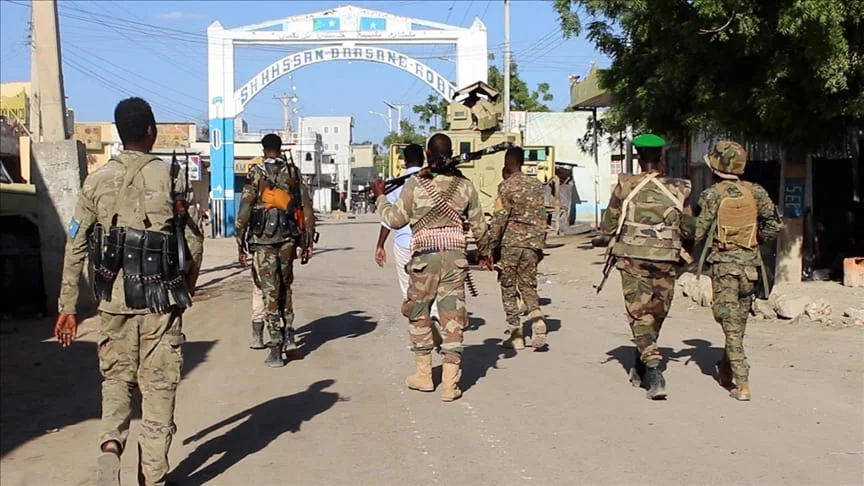
For nearly two decades, the nation has battled violent extremism. While the African Union Support and Stabilization Mission in Somalia (AUSSOM) has secured major victories, the war is far from over.
Peacekeepers have successfully driven militants out of key urban centers. Most major cities remain firmly under government control. However, the countryside tells a different story.
Al-Shabab retains significant power in rural zones. Furthermore, recent reports indicate that militants have recaptured areas previously liberated by security forces. Consequently, the UN views this continued international presence as essential to prevent a security vacuum.
Financial Crises Threaten Operations
Despite the unanimous agreement on the mandate, the mission faces a precarious financial future.
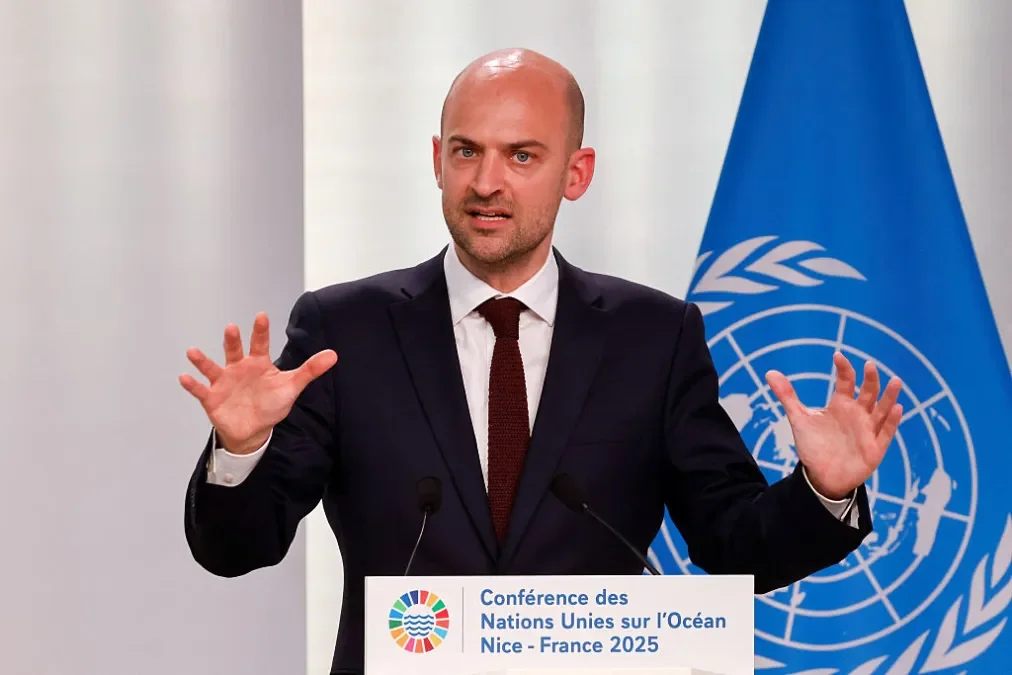
During the session, China issued a stark warning regarding the mission’s solvency. Sun Lei, China’s Deputy UN Ambassador, highlighted that the current economic model is faltering.
He noted that without immediate cash injections, the operation faces severe “financial strain.”
Specific funding hurdles include:
-
Liquidity Crisis: The UN Support Office in Somalia (UNSOS) lacks necessary liquid funds.
-
Unfulfilled Pledges: Traditional donors have been slow to release promised capital.
-
Sustainability: The gap between operational costs and available resources is widening.
China explicitly urged donors to honor their commitments without delay.
Long-Term Strategic Goals
Diplomats agree that progress has been made, but the path forward requires precision.
The United Kingdom’s Ambassador acknowledged the strides Somalia has taken since 2007. Yet, the consensus is that general support is no longer enough.
The UN emphasized that future assistance must be “targeted and effective.”
Policymakers are urged to look closely at the specific national context. The goal is to ensure that when the Somalia peacekeeping mission eventually concludes, local forces are fully capable of holding the line alone.
________________________________________________________________________________________________________________________________
US Economic Growth Smashes Forecasts, Igniting Global Market Rally