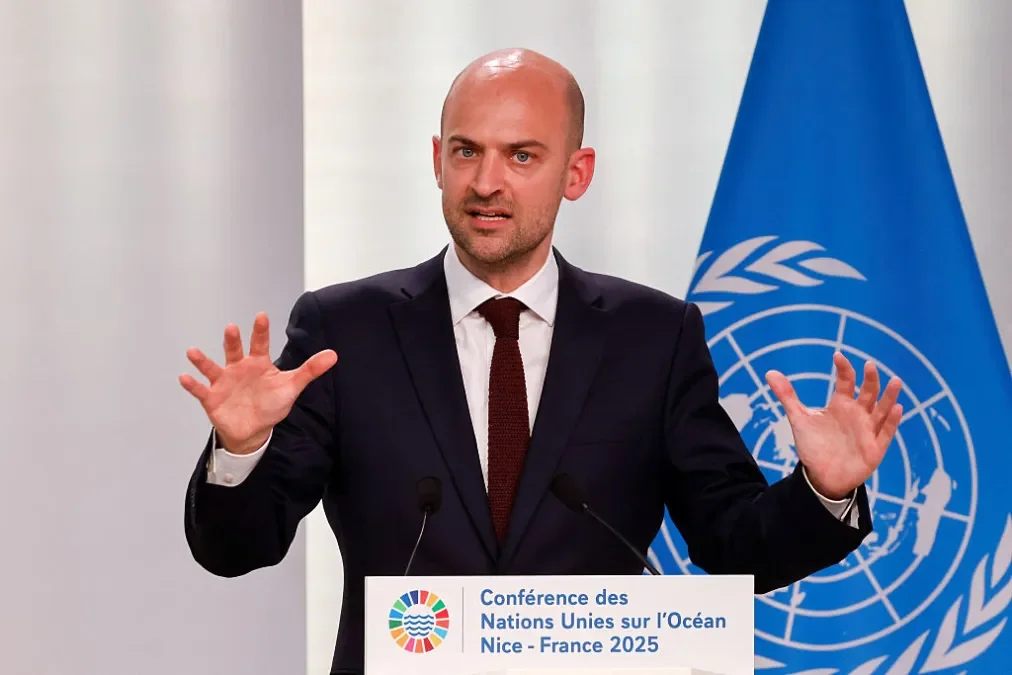
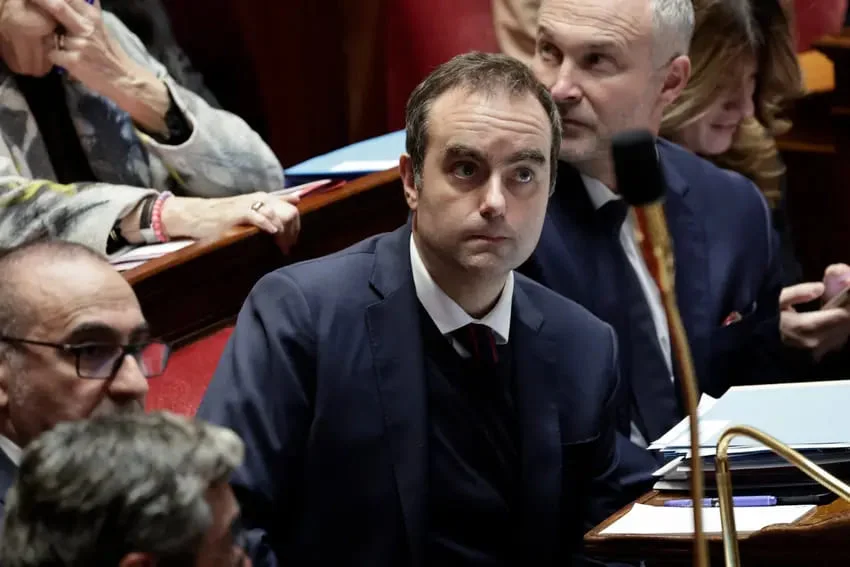
France has narrowly escaped a government shutdown, but the reprieve comes with a heavy price tag. Legislators have greenlit an urgent France emergency budget bill to keep the lights on through January 2026.
This eleventh-hour maneuver prevents administrative chaos. However, it effectively places the nation’s economy on autopilot. While the state remains operational, the government is legally paralyzed from launching any new initiatives.
Prime Minister Sebastien Lecornu championed the measure after high-stakes negotiations imploded last Friday. A paralyzed parliament could not agree on necessary tax hikes or spending cuts, forcing the administration into this defensive crouch.
Details of the France Emergency Budget Bill
The new legislation allows the state to replicate 2025 spending levels for one month. This ensures that essential machinery keeps turning. Specifically, the government retains the legal authority to:
-
Collect Taxes: Revenue streams from businesses and citizens will continue uninterrupted.
-
Service Debt: The treasury can issue new debt to meet financial obligations.
-
Pay Salaries: Public sector workers will receive their January paychecks.
Finance Minister Roland Lescure emphasized the limitations of this arrangement. “We’re going to keep paying civil servants and schools will open,” Lescure stated. “But there will be no new investments.”
Consequently, all planned infrastructure projects and policy reforms are frozen until a permanent fiscal plan is approved.
Economic Scrutiny and Rising Deficits
This legislative gridlock is unfolding under the watchful eye of anxious international investors. France currently carries a budget deficit of 5.4% of national economic output. This figure is the highest in the entire eurozone, making fiscal stability a critical concern.
The political landscape is equally fragile. Since President Emmanuel Macron lost his parliamentary majority in 2024, the National Assembly has been a battleground. In fact, intense disagreements over the budget have already toppled three previous governments.
The High Price of Procrastination
Operating without a finalized budget is an expensive habit. Officials estimate that similar delays in 2025 drained the state’s coffers. Specifically, the lack of efficiency and accumulated interest cost taxpayers approximately €12 billion ($14 billion).
With the France emergency budget bill now in effect, the immediate threat of a shutdown is gone. Yet, the pressure is mounting. The Lecornu administration must unify a fractured legislature early in the new year or risk further economic deterioration.
_______________________________________________________________________________________________________________________________
No More Delays: FAAN Rolls Out Aggressive Holiday Travel Plan