
Federal marijuana restrictions are set for a historic overhaul following a new presidential directive.
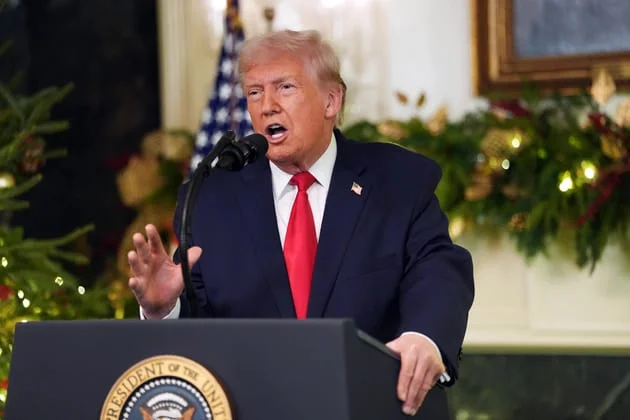
President Donald Trump signed an order on Thursday instructing the Attorney General to reclassify cannabis as a less dangerous substance. This move officially initiates the process of moving the drug from Schedule I to Schedule III.
Consequently, the federal government will no longer treat marijuana like heroin or ecstasy. Instead, it joins the ranks of Tylenol with codeine, ketamine, and testosterone.
Unlocking Research and Medical Access
The administration explicitly aims to expand medical understanding of the plant.
By loosening federal marijuana restrictions, the White House hopes to flood the sector with new research funding. Furthermore, this policy shift acknowledges the drug’s accepted medical utility for the first time at the federal level.
President Trump framed the decision as a necessary mercy for patients, despite his own “law-and-order” reputation.
“I don’t want it,” Trump told reporters, reaffirming his personal sobriety. “But a lot of people do want it. A lot of people need it.”
Additionally, the Centers for Medicare and Medicaid Services is adjusting its policies. The agency plans to permit coverage for hemp-derived CBD products for certain beneficiaries starting in April 2026.
Political Backlash and Market Jitters
The announcement immediately fractured Capitol Hill.
Senate Democratic Leader Chuck Schumer applauded the reclassification. Conversely, a coalition of Republican lawmakers sent a protest letter to the President. They argued that softening the rules endangers children, compromises road safety, and potentially emboldens drug cartels.
Wall Street also reacted with mixed emotions.
Cannabis stocks initially surged upon the news but finished the day lower. Investors expressed disappointment that the order lacked specific protections for cannabis banking. Currently, federal laws force legal businesses to rely on predatory loans or cash-only operations because major banks refuse to service them.
Next Steps for Reclassification
The Drug Enforcement Administration (DEA) must now review the President’s recommendation to finalize the shift.
While marijuana remains a controlled substance, this order represents the most significant relaxation of drug policy in decades. Experts warn that while this is a major step, Congress may still need to pass legislation to ensure long-term stability for the industry.
___________________________________________________________________________________________________________________________________
Coty Exits Hair Care: Sells Final Wella Stake to KKR for $750M