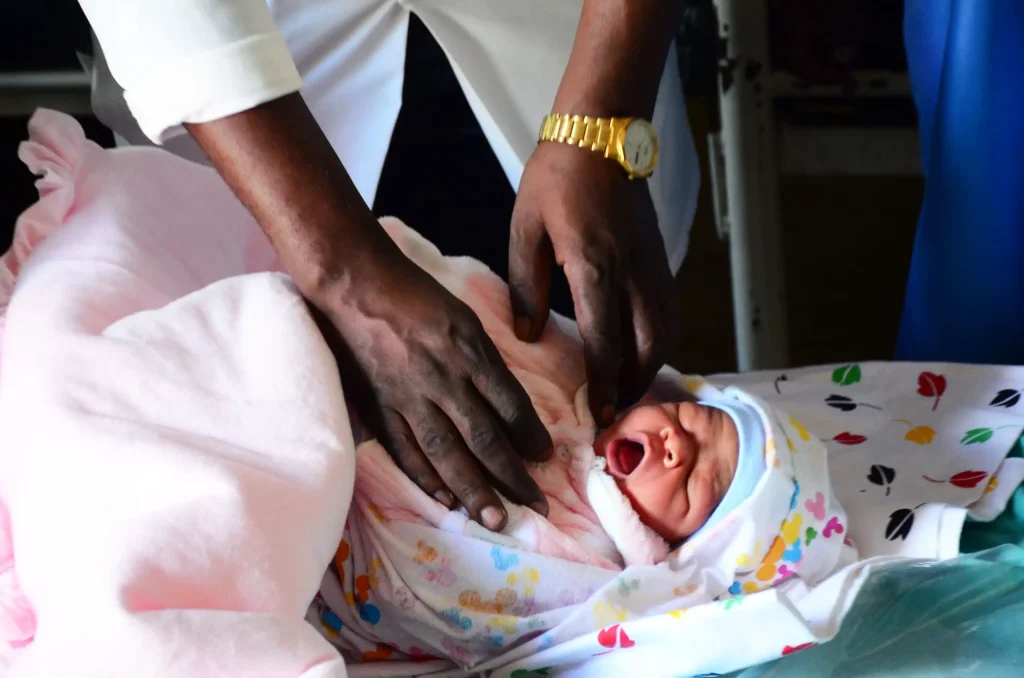
The World Health Organization (WHO) has issued a call to action for civil society groups. They urged non-governmental organizations (NGOs) to intensify their work in reproductive health. This effort aims to combat rising health challenges affecting children.
The appeal was made on Wednesday in Adamawa State. It coincided with the launch of a new medical distribution drive. Lifesaving Grassroots Outreach, a local NGO, has started distributing drugs and supplies. These items are for the Madagali Local Government Area, a region hit hard by conflict.
Strengthening Outbreak Response
Dr. Yusuf Abdulhakeem, the WHO State Coordinator, emphasized the importance of these interventions. He noted they are vital for curbing communicable diseases like cholera.
Speaking through Dr. Visa Tyakong, Abdulhakeem highlighted the need for integrated programs. Specifically, he pointed to sexual and reproductive health as essential for conflict-affected populations.
“The availability of essential drugs and consumables being flagged off today will directly enhance the quality of care and also strengthen outbreak preparedness,” Abdulhakeem stated.
Furthermore, he reaffirmed the WHO’s commitment. They will continue to provide technical support to ensure health initiatives in Adamawa meet global standards.
Targeting Conflict Zones
The choice of Madagali was strategic. Mr. James Tizhe, Programme Manager for Lifesaving Grassroots Outreach, explained the decision. He noted the area was selected due to the severe impact of the insurgency. Additionally, its proximity to the Sambisa Forest makes it vulnerable.
The organization aims to restore human dignity in underserved communities. They plan to bolster local health systems. Their strategy focuses on three key areas:
- Disease prevention
- Maternal care
- Capacity building
“Our mobile health teams are on the ground, ensuring that even the most remote communities receive the healthcare services they need,” Tizhe said.
He revealed that three health facilities will receive the supplies. These stocks are projected to last for six months. Moreover, the organization’s staff will monitor the drugs to ensure they reach the right people.
Government Commendation
Mr. Nuhu Yahaya, the Director of Public Health, accepted the supplies. He spoke on behalf of the Ministry of Health. Yahaya praised the NGO for tackling the state’s pressing health issues. He noted that this aligns with the ministry’s core mandate to safeguard public well-being.
A Broader National Strategy
The WHO remains a pivotal partner in Nigeria. They continue to help fortify the nation’s health systems.
In August 2025, the Federal Ministry of Health launched a new initiative. With WHO support, they aim to integrate sexual and reproductive health services with communicable disease interventions. This approach provides holistic care for vulnerable groups, including women and adolescents. It combines HIV treatment, antenatal care, and reproductive services.
Furthermore, the WHO continues to lead disease surveillance efforts across the Northeast. They are currently training health workers and pre-positioning emergency supplies. Consequently, the organization is building a resilient health system. This system is capable of managing crises while maintaining essential daily services.
MORE NEWS: Germany Adopts Tougher Welfare Laws