
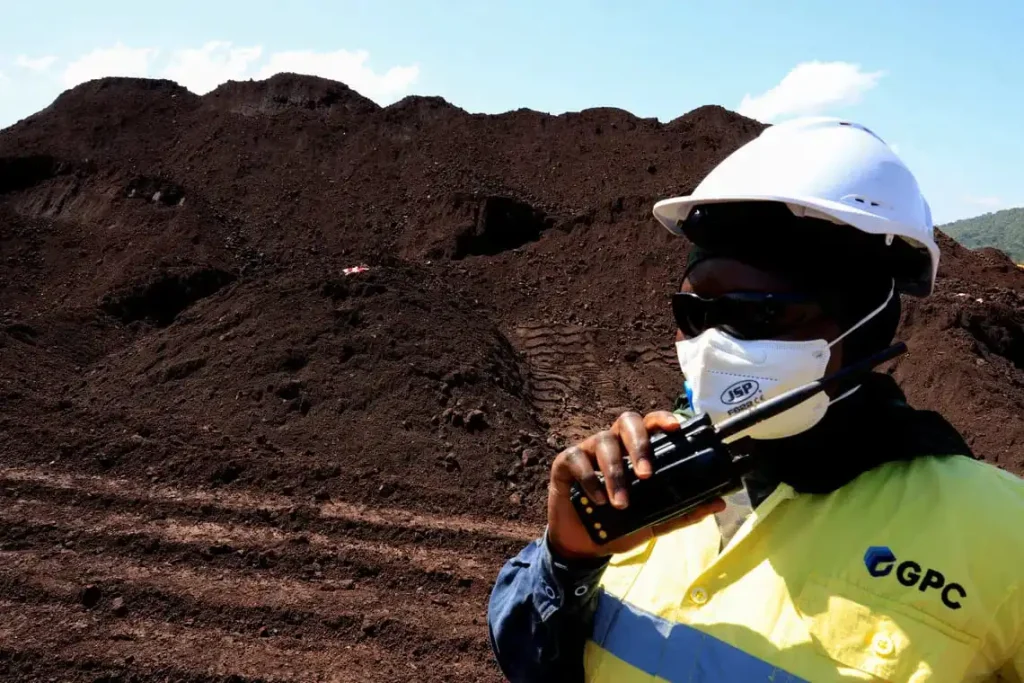
Guinea’s ambitious Simandou project has begun iron ore exports.
Yet this milestone triggers widespread job losses. Thousands of workers face sudden unemployment, threatening social stability.
The shift from construction to operations slashes labor needs dramatically. This change hits rural communities hard, where alternatives are scarce.
Simandou Project Layoffs Trigger Economic Shock
Peak construction employed over 60,000 people. Now, operations require fewer than 15,000.
For the Rio Tinto-Simfer block, jobs drop from 25,000 to about 6,000. Such cuts create an “employment cliff” for families.
Meanwhile, Guinea’s economy relies heavily on mining. The country leads in bauxite exports but battles deep poverty.
Local Communities Bear the Brunt
In Dantilia, 8,000 of 10,000 workers lost jobs in three months. The rest anticipate dismissal soon.
Kamara saw 1,500 dismissals already. These areas surround the new railway and port.
Furthermore, safety concerns fuel anger. Railway accidents killed over a dozen workers from June 2023 to November 2024. Trains also harm livestock, vital to locals.
Long-Term Vision vs. Immediate Pain
The government launched Simandou in November, weeks before December 28 elections. Leader Mamady Doumbouya eyes victory post-2021 coup.
Officials promote “Simandou 2040,” a $200 billion plan. It uses revenues for transformation.
By 2030, GDP could rise 26%. However, poverty might drop just 0.6% without targeted aid.
Consequently, exports mark progress after years of delays. But without support, inequality grows in rural Guinea.
This contrast matters deeply. Resource wealth often bypasses citizens in developing nations, risking protests.
___________________________________________________________________________________________________________