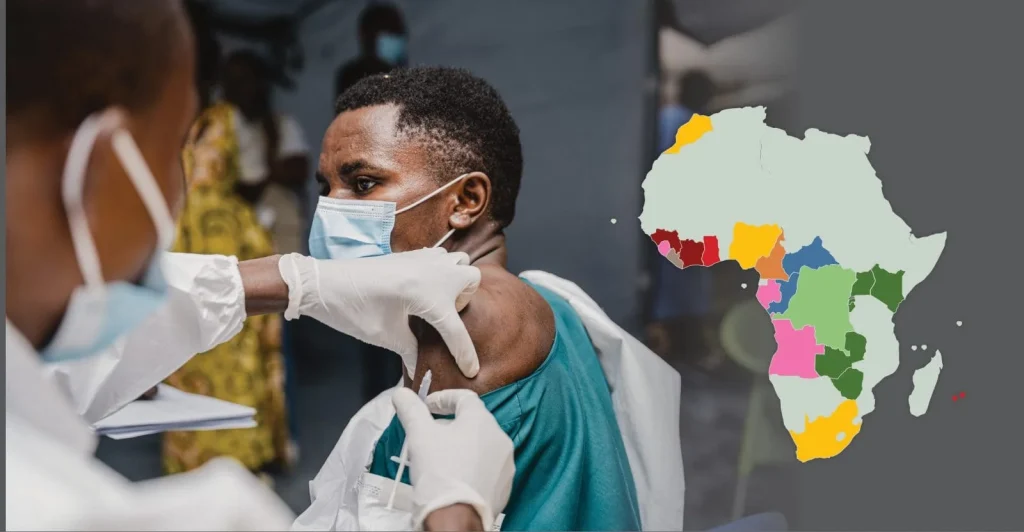
The viral war is officially over, but the social fallout has just begun. Sierra Leone Mpox survivors are finding themselves locked out of society despite the government declaring the end of a grueling two-year epidemic.
While health authorities celebrate the containment of the virus, thousands of recovered patients are facing a devastating new reality. Rejection, homelessness, and unemployment are rampant as misinformation grips communities.
Survivors Ostracized Following Sierra Leone Mpox Outbreak
For many, medical recovery has not led to a return to normalcy. Hannah Abibu, a survivor of the outbreak, describes a bleak existence defined by exclusion.
“Things are not easy for me. Even a place to sleep, I don’t have. Food to eat, I don’t have,” Abibu reveals.
Her experience highlights the severe economic consequences of the stigma. Employers and landlords are turning their backs on those who fell ill.
“At my workplace, when they knew I had Mpox, they didn’t allow me to return. Up till now, I’m searching for a job,” she adds.
A Successful Medical Response
Statistically, the nation achieved a significant victory. The outbreak, which spiraled from two initial cases near Freetown into a national emergency, resulted in over 5,000 infections.
However, the mortality rate remained low. Data indicates a 99 percent recovery rate, with only 60 fatalities recorded over the two-year period.
Yet, Dr. John Abu Bakarr Conteh of the FCC Mpox Treatment Center warns that physical survival is only half the battle. He stresses that the medical community must now pivot to mental health and social reintegration.
“This response is not only focusing on case management,” Dr. Conteh explains. “The psychosocial case management was paramount. We try to make sure that we have all that is needed to combat the epidemic.”
Misinformation Fuels Public Fear
The stigma is largely driven by false narratives surrounding the disease. This specific wave of Sierra Leone Mpox presented unique symptoms, including rare genital lesions, which unfortunately deepened the shame associated with infection.
Consequently, dangerous myths have taken root. Many locals view the illness as a spiritual curse or proof of promiscuity rather than a zoonotic virus transmitted between humans and animals.
Nelson Johnson, who was cleared of the virus in May, is now fighting these misconceptions. Since June, he has worked with the Sierra Leone Epidemic Action Network to educate the public.
Johnson argues that direct engagement is the only way to break the cycle of fear.
“You find out people are not ready to accept it… unless we decide to go to the community and explain to them,” Johnson says. “I’m now a survivor. It doesn’t mean that I can infect you. That is the only way people start believing that Mpox is real.”
____________________________________________________________________________________________________________________________________
Mohamed Salah Shifts Focus to AFCON Amidst Deepening Liverpool Rift